MyArtGallery
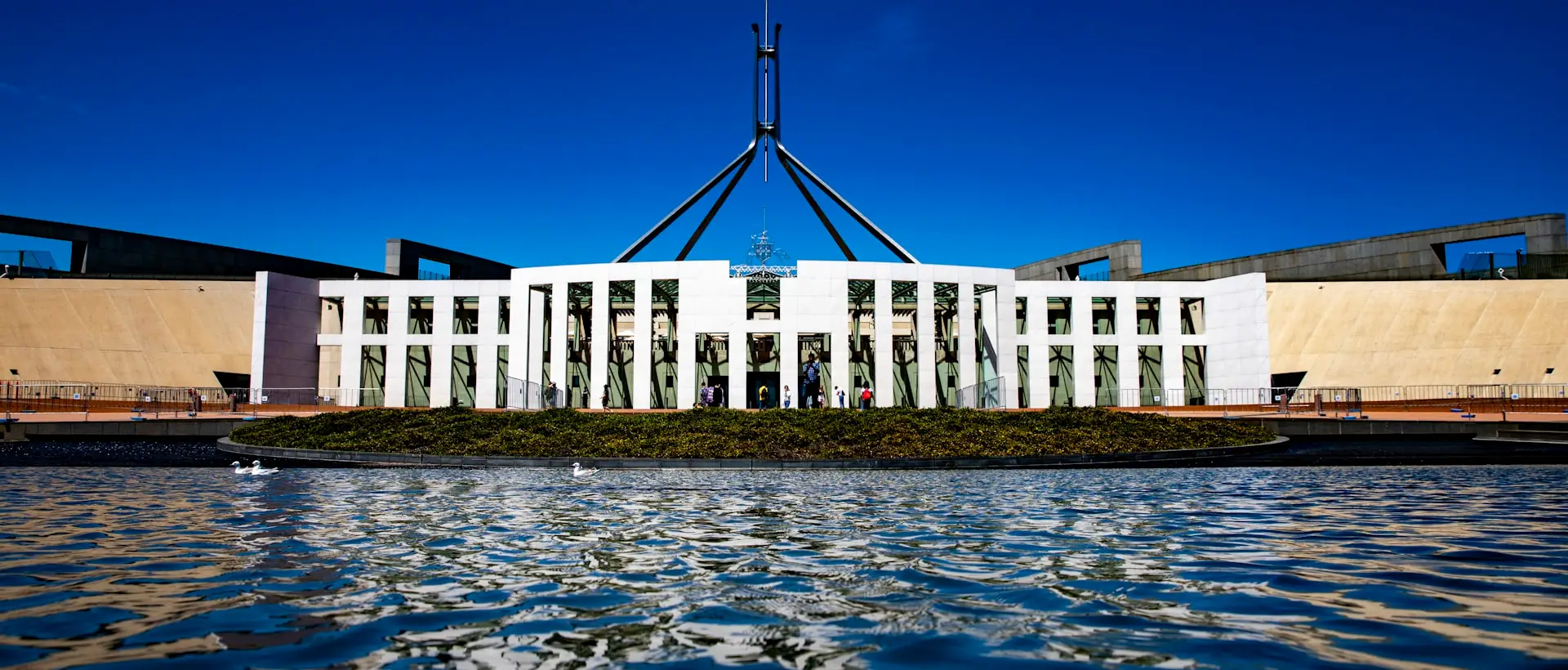
Canberra cityscape

Art galleries in Canberra

Canberra's art gallery scene has evolved significantly over the past two decades, establishing the national capital as a genuine destination for contemporary art collecting and viewing. With thirteen well-established galleries spread across key precincts and suburbs, the city now offers a sophisticated ecosystem for both emerging collectors and seasoned art enthusiasts. Unlike some regional centres where galleries operate in relative isolation, Canberra's galleries form distinct clusters that encourage comparative browsing and allow visitors to sample diverse aesthetics within a single outing.

Nicholls, Canberra

Aarwun Gallery, established in 1999, is a Canberra-based gallery presenting a carefully curated roster of Australian artists. The gallery specialises in landscape and portrait painting, contemporary practice, and Indigenous art, working across multiple mediums including painting, printmaking, ceramics, glass, and bronze sculpture.

Contemporary Landscape Portraiture

Emerging · Mid · Established

Nicholls, Canberra

Aboriginal Dreamings Gallery is a long-established gallery in Canberra specialising in ethically sourced Australian Indigenous art and craft from communities and art centres across the country. The gallery holds changing exhibitions every 4–6 weeks and maintains an extensive collection spanning from the 1970s to contemporary works, supporting Indigenous artists' rights and holding membership in the Indigenous Art Code and Aboriginal Art Association of Australia.

Aboriginal & Torres Strait Islander Contemporary Figurative

Dickson, Canberra

ANCA Inc. is a Canberra-based artist-run cooperative gallery and studios in Dickson housing the Australian National Capital Artists Incorporated. The gallery showcases contemporary printmaking and mixed-media work by local artists, with a curatorial focus on socially engaged practice and experimental printmaking techniques including etching, screen printing, photogravure and natural dye methods.

Contemporary Abstract Surrealism

Canberra, Canberra

Aboriginal Dreamings Gallery is a gallery established in Canberra in 1989, specialising in ethically sourced Australian Indigenous art and crafts spanning from the 1970s to contemporary works. The gallery represents artists from numerous Indigenous communities and art centres across Australia, presenting changing exhibitions every 4–6 weeks alongside an extensive collection available to collectors nationally and internationally.

Aboriginal & Torres Strait Islander Contemporary Abstract

Australian Capital Territory 2601, Canberra

Burrunju is Canberra's only Aboriginal-owned art gallery, established in 2014 as a not-for-profit charitable organisation. The gallery showcases and sells contemporary Indigenous artworks by represented artists, and offers art workshops alongside its exhibition and retail spaces.

Aboriginal & Torres Strait Islander Contemporary Abstract

Griffith, Canberra

Canberra Art Workshop is a long-established community art hub operating since 1948, offering self-directed art groups, tutored courses, professional-led workshops, and biannual member exhibitions. The organisation showcases paintings, prints, drawings and sculpture across diverse styles, welcoming artists from beginners to professionals.

Contemporary Abstract Figurative

Emerging

Parkes, Canberra

Canberra Contemporary is an independent, non-commercial contemporary visual arts organisation established in 1981, operating two gallery spaces in Parkes and Manuka. The gallery presents ambitious exhibitions and public programs showcasing emerging and established artists working across diverse disciplines, fostering collaboration and experimentation within national and international contemporary practice.

Contemporary Abstract Figurative

Kingston, Canberra

Canberra Glassworks is the Southern Hemisphere's largest studio glass facility, operated by the ACT Government in Kingston. It showcases contemporary glass art through exhibitions and live artist demonstrations in its hotshop, whilst offering commissions, classes, and a curated shop featuring hand-made glass works by studio practitioners.

Contemporary Abstract

Emerging

Fyshwick, Canberra

Grainger Gallery is a commercial fine art gallery in Fyshwick, Canberra, representing a substantial roster of contemporary Australian artists. The gallery operates from a dedicated studio-gallery space and offers framing services, specialising in painting, sculpture, and mixed-media works across figurative, landscape, and abstract styles.

Contemporary Abstract Figurative

Emerging · Mid

Braddon, Canberra

KIN Gallery is a contemporary jewellery gallery in Canberra showcasing Australian-designed and handcrafted works. Specialising in bespoke rings, pendants, earrings and watches, the gallery represents emerging and established metalworkers and jewellers. The space also offers workshops and bespoke commissions.

Contemporary Minimalism

Emerging · Mid

Griffith, Canberra

M16 Artspace is an artist-run gallery and studio collective founded in 1985 in Canberra, housing 31 artist studios and presenting rotating exhibitions of emerging and established artists. The venue operates three gallery spaces with exhibitions changing every four weeks, showcasing contemporary work across diverse mediums and styles.

Contemporary Abstract Landscape

Mid

Ainslie, Canberra

Q Gallery is a community-focused art hub in Canberra's Ainslie that supports local artists through affordable exhibition opportunities and creative programmes. The gallery showcases contemporary works across diverse mediums and styles, with a strong commitment to Aboriginal and Torres Strait Islander art practice. It serves both as a commercial exhibition and retail space, and a venue for workshops and creative events.

Contemporary Abstract Figurative

Emerging · Mid

Pialligo, Canberra

The Old Barn Gallery is a regional contemporary art space located in Pialligo, showcasing diverse artworks across multiple mediums and styles. The gallery presents emerging and established artists through curated exhibitions in a historic rural setting outside Canberra.

Frequently asked questions

What's the best time to visit Canberra's galleries? +

Spring (September–November) and autumn (March–May) offer ideal conditions—mild weather, longer daylight hours, and typically new seasonal exhibitions opening at multiple venues simultaneously. Summer can be uncomfortably hot for extended gallery-browsing, whilst winter weather is generally fine but daylight hours are limited, potentially constraining afternoon visits. Many galleries schedule major exhibitions around these seasonal transitions, so checking gallery websites before planning your trip maximises the likelihood of encountering significant new work.

Do I need to make appointments to visit galleries in Canberra? +

Walk-in visits are generally welcomed during published opening hours; however, contacting galleries ahead of your visit is sensible practice, especially if you're interested in specific artworks or planning to visit on less-common days like weekends or public holidays. Some galleries, particularly those operating from residential studios or maintaining limited staff, prefer appointment bookings. Making contact also allows you to alert gallerists to your interests, enabling them to provide tailored recommendations or hold items of particular relevance.

Are Canberra galleries expensive compared to other Australian cities? +

Canberra's pricing is competitive and often advantageous for collectors. Early-career and emerging artist work is frequently priced lower than in Sydney or Melbourne galleries, reflecting the city's developing (rather than fully established) market. Established artists' work is similarly accessible, with prices reflecting Canberra positioning rather than major metropolitan premium markups. However, certain internationally-represented artists command consistent pricing across all Australian cities. The best value typically emerges when purchasing work by artists with strong regional or national visibility but not yet sustained international market presence.

How can I learn more about artists represented in Canberra galleries? +

Gallery staff are excellent initial resources and can discuss artists' backgrounds, exhibition histories, and artistic contexts. Many galleries provide artist statements, catalogs, or reviews with displayed work. For deeper research, investigate artists' websites, examine their exhibition history through art databases and institutional websites, and read reviews in Australian art publications like Frieze, Art Review, and Artforum. Some Canberra galleries host artist talks, opening events, or studio visits—attending these provides direct access to artists' own explanations of their practice and intentions.

I'm interested in Indigenous art—which Canberra galleries should I prioritise? +

Five galleries across Canberra feature Aboriginal & Torres Strait Islander art. Rather than viewing this as a separate collecting category, recognise that contemporary Indigenous artists often work across multiple aesthetic modes—abstraction, figuration, conceptual practice—and are represented in galleries beyond those explicitly categorised under Indigenous art. When contacting galleries, specifically express interest in Indigenous artistic representation and ask staff to guide you toward works and artists aligned with your aesthetic and collecting interests. This ensures engagement with Indigenous art as contemporary practice rather than ethnographic artifact.

What should I do if I find a piece I love but can't afford it immediately? +

Communicate your interest to gallery staff; many maintain waiting lists and contact collectors when prices shift, similar works appear, or payment plan options become available. Some galleries offer layby or instalment schemes, particularly for moderately-priced pieces. If a specific artist resonates with you, ask about their upcoming exhibitions or newer, more accessible pieces. Building relationships with gallerists—even across multiple visits without purchase—positions you for opportunities when pieces genuinely aligned with your interests and budget eventually surface.

Art Galleries in Canberra: A Visitor's Guide to the Capital's Contemporary Art Scene

Overview of Canberra's Gallery Landscape

Canberra's art gallery scene has evolved significantly over the past two decades, establishing the national capital as a genuine destination for contemporary art collecting and viewing. With thirteen well-established galleries spread across key precincts and suburbs, the city now offers a sophisticated ecosystem for both emerging collectors and seasoned art enthusiasts. Unlike some regional centres where galleries operate in relative isolation, Canberra's galleries form distinct clusters that encourage comparative browsing and allow visitors to sample diverse aesthetics within a single outing.

The contemporary art market in Canberra reflects Australia's broader shift towards abstraction and experimental practice, with twelve of the thirteen galleries prominently featuring contemporary work. This overwhelming emphasis on modern and current artistic expression means that visitors here encounter cutting-edge pieces, mixed-media installations, and conceptual works rather than the heritage-focused or purely representational collections typical of some other Australian capitals. Prices across Canberra's galleries range widely—from emerging artist pieces under $500 to significant contemporary works exceeding $50,000—enabling collectors at various financial levels to engage meaningfully with the market.

What distinguishes Canberra's gallery sector is its professional but accessible atmosphere. The city's galleries tend to operate without the exclusionary gatekeeping associated with major metropolitan centres, and staff are typically knowledgeable and encouraging toward genuine inquiries, regardless of immediate purchasing intent. Many galleries actively support local and emerging artists, meaning a visit often connects you with work not yet represented by larger Australian institutions, let alone international venues. This combination of quality, diversity, and genuine engagement makes Canberra worth factoring into any serious Australian art collector's itinerary.

Gallery Precincts and Their Distinctive Characters

Canberra's galleries are distributed across eleven suburbs and precincts, each with particular strengths and geographic logic. The central business district (2601) harbours galleries within easy reach of retail and hospitality, appealing to visitors who want to combine art viewing with dining or shopping. Kingston and Griffith, positioned south of the lake, have emerged as secondary hubs where galleries often occupy heritage buildings or character properties, lending an additional curatorial dimension to the viewing experience. Fyshwick and Braddon, developing neighbourhoods with strong artistic communities, increasingly host galleries that reflect experimental and boundary-pushing aesthetics.

Nicholls and Dickson serve collectors seeking quieter, more contemplative gallery experiences, often housed in converted residential spaces that foster intimate engagement with artworks. Parkes and Ainslie galleries tend toward galleries with longer operational histories and established collector bases, though this should not be mistaken for stylistic conservatism—several of Canberra's boldest contemporary galleries operate in these suburbs. Pialligo, positioned on Canberra's outer edge near the territory border, occasionally hosts galleries in studio-workshop settings that blur distinctions between viewing and creative production spaces. Understanding these geographic and cultural distinctions helps visitors plan itineraries aligned with their interests and desired pace of exploration.

The Breadth of Art Styles: From Contemporary to Niche Practices

Contemporary art dominates Canberra's gallery sector, represented across twelve of the thirteen venues. This contemporary focus encompasses everything from large-scale abstraction and installation work through to digitally produced pieces, video art, and interdisciplinary projects that challenge conventional notions of what constitutes art. Ten galleries feature significant abstract holdings, offering collectors sustained access to non-representational work ranging from gestural abstraction to geometric and minimalist investigations. This concentration on contemporary and abstract practice reflects both demographic factors—Canberra attracts tertiary-educated professionals and researchers—and deliberate curatorial choices by gallery operators who position themselves within contemporary international discourse.

Figurative work appears in eight galleries, providing important counterpoint to the abstract-heavy market. These figurative collections encompass contemporary portraiture, expressive figure painting, and conceptually engaged representational practice rather than purely traditional or academic approaches. Landscape remains a category in five galleries, though landscape in contemporary Canberra galleries typically means conceptual land art, abstracted topographies, or photographic investigations of space and environment rather than traditional plein-air painting. The Aboriginal & Torres Strait Islander art category, represented in five galleries, acknowledges both the cultural significance of Indigenous artistic traditions and their increasingly prominent role in contemporary Australian art discourse and international collecting.

Several more specialised aesthetic categories appear across the network: expressionist work in three galleries, realist practice in four, portraiture in two, alongside singular representations of pop art, surrealism, floral and botanical art, photography, and minimalism. This distribution ensures that collectors with particular stylistic preferences can identify aligned galleries quickly, whilst also providing encounter points for visitors willing to encounter unfamiliar aesthetic territory. The presence of Indigenous art across multiple galleries indicates a maturation of the market and an institutional commitment to representing Australia's artistic diversity authentically rather than as afterthought.

Visiting Galleries in Canberra: Practicalities and Etiquette

Canberra galleries operate within standard Australian business hours, typically opening mid-to-late morning and closing by early evening, with many closed Mondays and Sundays. Prior to visiting, it's sensible to check individual gallery websites or telephone for current hours, as seasonal variations and special exhibition schedules can affect accessibility. Several galleries maintain appointment-based viewing arrangements, particularly for high-value works or private collections, so collectors interested in specific pieces should contact venues directly rather than assuming walk-in availability. This practice, far from being exclusionary, often reflects limited physical space or a preference for providing bespoke viewings that enhance the collector's experience.

Professional etiquette in Canberra's galleries aligns with international norms: never touch artworks unless explicitly invited; maintain conversational tone rather than loud discussion; and request permission before photographing pieces, as many artists and galleries restrict this to protect copyright and commercial interests. Staff should be treated as knowledgeable professionals—because they are—and genuine questions about technique, provenance, or pricing are welcomed rather than resented. First-time gallery visitors often underestimate how much staff appreciate sincere engagement; asking an informed question or expressing genuine uncertainty about a piece's appeal frequently generates rich conversation that enhances understanding.

Many galleries welcome browsers and lookers with no immediate purchase intention, though collectors serious about building relationships with particular venues should plan return visits and express interest in gallery communications like exhibition announcements or artist talks. Some galleries offer mailing lists or digital newsletters detailing upcoming shows and acquisitions—subscribing signals engaged interest and ensures you're informed about new work aligned with your preferences. Photography and social media practices vary significantly between galleries; some actively encourage visitors to post images and tag them, whilst others maintain stricter policies around reproduction rights, so ask before assuming permissions.

Guidance for First-Time and Established Collectors

For first-time visitors or collectors new to the Australian contemporary art market, Canberra galleries offer particular advantages. The absence of overwhelming footfall means you can spend genuine time with individual pieces without feeling rushed or crowded off by other viewers. Staff have capacity and incentive to discuss work in depth, explain artistic context, and identify pieces likely to resonate with your stated interests—invaluable guidance when navigating an unfamiliar market. Consider planning a first visit as a research exercise rather than purchasing expedition; spending an afternoon moving slowly through 3–4 galleries, taking notes on pieces that engage you, and observing which artist names appear repeatedly across venues provides orientation before committing financially.

Established collectors visiting Canberra should recognise the market's capacity to surface overlooked artists and emerging talent not yet represented by major metropolitan galleries. Several Canberra venues specialise in early-career artists or work by established figures at earlier stages of their practice, offering collectors opportunities to acquire significant works at price points substantially below those demanded in Sydney or Melbourne. This requires patience and willingness to research artist trajectories independently—a piece's current modest price reflects market positioning rather than necessarily reflecting intrinsic quality or future appreciation potential. Serious collectors benefit from developing relationships with individual galleries and gallerists, as this access to studio visits, pre-acquisition previews, and tailored recommendations often yields collections far more coherent and thoughtful than those assembled through casual browsing.

Budget considerations differ substantially depending on your collecting approach. Entry-level contemporary art in Canberra galleries—works by emerging artists or smaller pieces by established figures—typically ranges from $300 to $2,000, making art acquisition accessible without major financial commitment. Mid-range collectors should expect $2,000 to $15,000 for recognised contemporary artists with exhibition history and market visibility. Significant works by artists with substantial institutional presence command $15,000 upward, with certain pieces reaching five or six figures. Unlike property or share markets, art price appreciation is neither guaranteed nor easily predictable; collect work that genuinely moves or intellectually engages you rather than treating it purely as financial asset.

Using This Directory: Finding Your Aligned Gallery

This directory's thirteen galleries facilitate systematic exploration according to your preferences and geography. If you're drawn to abstract work, you can immediately identify ten galleries where abstraction is represented, dramatically narrowing your browsing territory. Similarly, collectors interested in Indigenous art, landscape aesthetics, or portraiture can use the directory's categorical breakdown to locate venues likely carrying work within their interest areas, preventing wasted journeys to galleries whose primary holdings don't align with your focus.

Geographically, clustering galleries allows efficient route planning. If you're visiting Kingston or Griffith, for instance, you can identify which galleries operate in those suburbs and plan an afternoon itinerary moving between venues. This geographic clustering also enables meaningful comparison; viewing contemporary abstraction across multiple Kingston galleries, for example, illuminates the distinct curatorial perspectives and artist relationships within that precinct. Conversely, if you're based in northern Canberra, this directory clarifies which galleries are genuinely accessible without excessive drive time.

The directory functions most effectively when combined with independent research. Once you've identified galleries whose categorical focus aligns with your interests, visit their websites to examine current exhibitions, artist representation, and pricing visibility. Many galleries provide artist statements, exhibition reviews, or collection information that contextualise their work within contemporary discourse. Calling ahead—even briefly—to confirm hours and express your interests demonstrates seriousness and often yields recommendations tailored to your specific aesthetic preferences. The directory provides foundational organisation; meaningful engagement requires moving beyond categorical lists to encounter actual artworks, engage with actual gallerists, and develop personal relationships with venues that become genuine touchstones for your collecting journey.

The Wider Context: Canberra's Art Institutions and Collector Culture

Canberra's thirteen galleries exist within a broader institutional art ecosystem that includes the National Gallery of Australia, the National Portrait Gallery, and various university galleries and artist-run initiatives. This institutional presence shapes gallery practice by establishing discursive standards, educating the viewing public, and creating audiences familiar with contemporary art conventions. Many gallery visitors have engaged with institutional exhibitions beforehand, arriving with increased confidence and contextual knowledge. The result is a relatively sophisticated collector base and exhibition-going public compared to some similarly-sized Australian cities.

Canberra's status as the national capital also influences gallery operations in subtle ways. Access to visiting artists, curators, and critics associated with major institutions creates exhibition and networking opportunities unavailable in smaller regional centres. Several galleries deliberately position themselves within national and international contemporary art conversations, hosting exhibitions by artists with international representation, facilitating artist residencies, or collaborating with interstate institutions. This cosmopolitanism distinguishes Canberra's gallery sector from purely local-focused approaches and attracts collectors and visitors interested in engaging with contemporary art at professional and critical levels.

The collector culture in Canberra, whilst growing, remains more intimate and relationship-based than in larger metropolitan centres. This offers genuine advantages: collectors can develop meaningful connections with gallerists, artists, and fellow collectors within a relatively contained community. Many of Canberra's most significant private collections began with first purchases from local galleries, relationships deepening over years as collectors' understanding and confidence evolved. If you're considering Canberra as an entry point to serious art collecting, the city's gallery ecosystem offers an ideal environment for learning, making mistakes at manageable financial scales, and developing the curatorial instincts necessary for building meaningful collections.

List your gallery

Tell us a little about your gallery and we'll be in touch to set up your listing.

Claim a gallery

Find your gallery below and send us your details — we'll verify and hand over your listing.