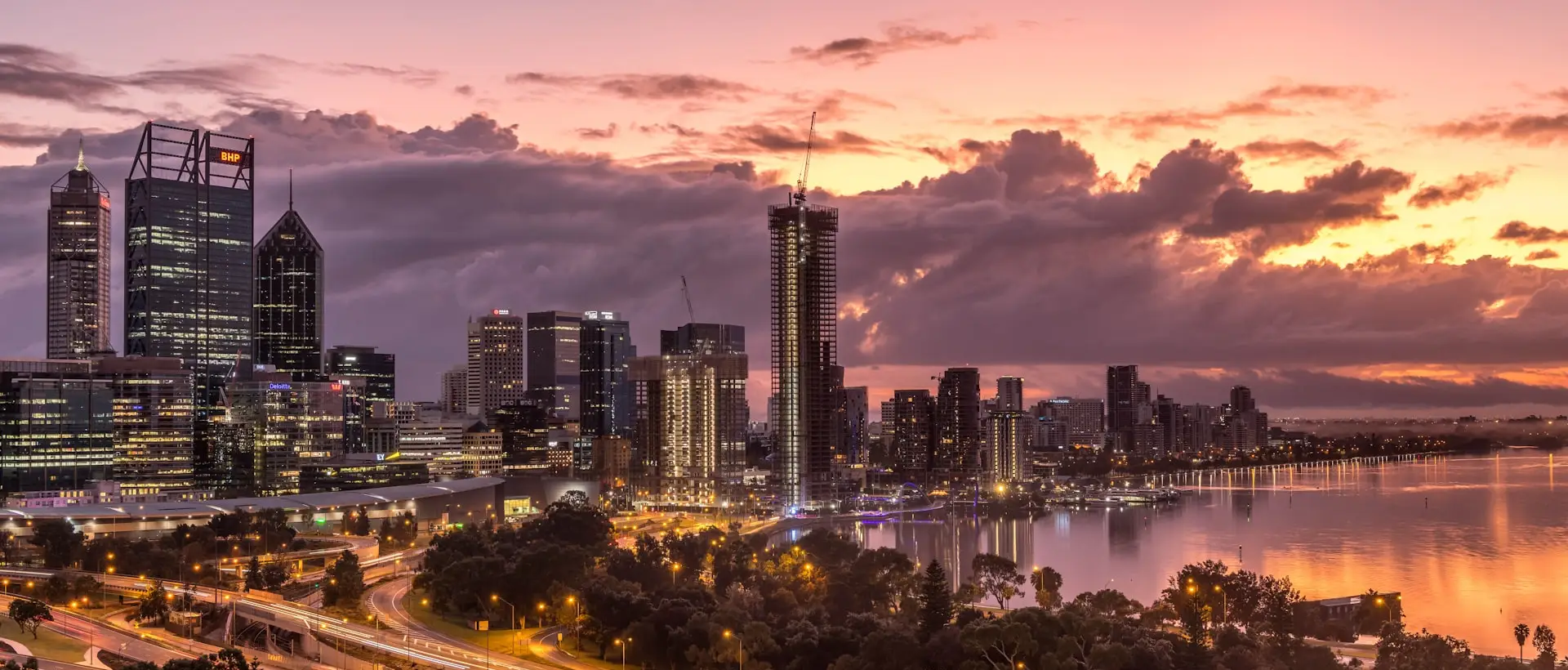
Perth's Gallery Scene
Over the last twenty years or so, Perth's art galleries have grown up. What started as a fairly basic regional scene has turned into something much more varied and accomplished. You've got 29 galleries now spread across the city and nearby suburbs, each one doing something a bit different. They cover all sorts of artists and ways of thinking about art, and they're attracting collectors too. A lot of this comes down to Perth having more money flowing through the economy and locals and visitors wanting to see more contemporary art.
The galleries here are different from the big public museums that prop up Perth's cultural life. These are working spaces where artists actually show their stuff, where the gallery owner makes money by selling work, and where you can buy directly from the source. That setup changes things. There's a different feel to it than a government-funded institution. Most of Perth's galleries aren't huge operations. A lot are run by their owners, which means they keep a close eye on what they show and build their own particular crowd of collectors around what they're doing.
What's interesting about Perth's gallery setup is how they're scattered around. You don't get one big Arts District like some cities do. Instead, they're spread across different parts of town and suburbs, each with its own flavour and focus. The city's sprawl means that's partly just how things worked out, but it's actually pretty good for collectors and visitors. You can get to know the galleries near you really well, and the galleries don't have to compete as much with each other while still reaching serious collectors all over the metro area.
The price range varies a fair bit across these 29 galleries. Some show younger and mid-career artists with work going for $500 to $5,000. Others deal with established names where prices climb well above that. If you're new to collecting in Perth, it helps to know where each gallery sits on the price scale so you can work out which ones match what you're after and build relationships with dealers who fit your collecting interests.
The Major Gallery Precincts: Fremantle, Perth, and Beyond
Fremantle's got the most galleries in Perth, spread across Fremantle proper, South Fremantle, and North Fremantle. It started out as a maritime hub and that's basically shaped how the arts scene grew there. You've got galleries, sure, but also theatre, live music, and proper literary stuff happening. Because Fremantle's already set up for tourists with good cafés and a known creative reputation, the galleries get a steady stream of visitors from across Australia and overseas. The old warehouse buildings, heritage architecture, and artsy vibe make it an obvious choice for galleries that want room to move and freedom to do their own thing.
Perth's city centre, along with West Perth and Northbridge, is the second big cluster. These galleries sit near the corporate money and office workers, so they're positioned to catch people popping in at lunchtime or after work. Northbridge especially has built up a name as a creative area, with galleries often right next to independent restaurants, bars, and small boutiques. Because everything's close together, you can actually see several decent galleries without going too far, which beats spending hours driving around if you've got limited time.
Subiaco and West Leederville are posher residential suburbs where the galleries mainly work with established collectors from the neighbourhood. Bayswater does much the same for people from the surrounding suburbs who have money to spend and already collect art. These places aren't as lively as Fremantle or the city, but the galleries here tend to deal with serious collectors who actually come in deliberately rather than stumbling in by accident. Kings Park sits in there too, technically best known for its parks, but it's got galleries that pull people in because of the broader cultural stuff happening around the place.
Further out, you've got galleries in Kensington, Caversham, and Cottesloe that focus more on local artists and getting the community involved. Kensington and Caversham galleries serve their neighbourhood and attract collectors who like the whole local gallery approach, while Cottesloe, being an expensive beachside suburb, pulls in both locals and tourists. These galleries often see themselves as the cultural anchor for their area, running opening nights and community events that go beyond just selling to collectors.
Understanding Contemporary Art and the Styles You'll Find
Contemporary art is the big player in Perth's gallery scene, showing up in 23 of the 29 galleries we've listed. It's basically work made in the last 40 years or so that deals with what's happening now, though the term is deliberately loose and bleeds into plenty of other categories. In Perth, you'll see everything from figurative paintings tackling identity and social stuff, through to abstract pieces messing around with colour, form, and what things are actually made of. The reason there's so many contemporary galleries comes down to two things: collectors want to buy work by artists who are actually making stuff right now, and that's also where the working artists in and around Perth are putting their energy.
Figurative art (showing in 16 galleries) and abstract work (14 galleries) are roughly equally represented in Perth, which tells you something about what buyers want here. Figurative painting tends to pull people into collecting because we're all familiar with the human form, portraits, and stories told through images. Abstract work operates differently, pushing you to actually think about form, colour, and how things make you feel rather than what they look like. You'll find most galleries plant themselves somewhere in the middle, offering figurative work with abstract elements or abstraction that's responding to landscape or the body in some way.
Landscape and seascape painting is a pretty significant collecting category in Perth, and that makes sense given where we are geographically. Western Australia's particular light, colours, and shape of the land have been getting artists excited for ages, and collectors tend to attach themselves to paintings of places they know, places like the Darling Range, the Swan River estuary, the Indian Ocean coastline. Fifteen galleries focus on this stuff, ranging from straightforward representational paintings to more abstracted takes on place. Photography (six galleries) has become legitimate and commercially viable in Perth in ways it hasn't managed to everywhere else across Australia, which says something about local collectors being open to the medium.
Aboriginal and Torres Strait Islander art (11 galleries) is an important collecting category that reflects what's happening more broadly in Australia with Indigenous artistic practice. Perth galleries in this space range from those working with established Indigenous artists to others spotlighting emerging talent. Wildlife and animal painting (five galleries) appeals to collectors with specific tastes and operates in its own market corner. Portraiture and still life (three galleries each) are more niche interests, while floral and botanical work (two galleries) mostly shows up in decorative and domestic settings. Because contemporary, figurative, and landscape work are so prevalent, they're really the foundation of what you're going to see around Perth's galleries, though the specialist categories give you plenty to dig into if you're after something particular.
Getting into Perth's Gallery Scene: A Practical Guide for Collectors
Before you hit the galleries, it helps to work out what you're actually after. Think about what draws you to art in the first place. Do you have a particular style or medium that gets you interested? Are you looking at emerging artists or established names? Does an artist's background or the subject matter matter to you? Getting clear on this stuff makes it easier to pick which galleries to visit and gives you something sensible to talk about with the people running the place. Most Perth galleries have decent websites these days, so spend a bit of time poking around to see what they're showing, who they represent, and what they're generally about.
When you walk into a gallery, how the staff interact with you pretty much sets the tone for the whole thing. Perth galleries tend to be pretty approachable, even the high-end ones feel pretty casual compared to what you'd find in Sydney or Melbourne. Don't let that informality fool you, though. It's just how things work here, and it doesn't mean the standards are any lower. Ask questions about the artists, what techniques they use, how much things cost, or what the gallery tends to focus on. The people running these places actually enjoy talking about their artists and getting to know collectors. If you like something but aren't sure about buying it straight up, most galleries will let you visit the artist's studio, hold onto a piece for you while you think about it, or work out a payment plan for bigger purchases.
Once you've been collecting a bit, you'll start building relationships with dealers who get what you're into and can tip you off about new work before it goes on the wall. Plenty of serious collectors in Perth do this, going back to their favourite galleries regularly and chatting directly with the owners about new pieces. Because Perth's gallery world is pretty tight-knit, word gets around pretty quickly about what you're collecting if you keep showing up. That works in your favour, galleries start ringing you about work that matches your interests, sometimes before they even put it out for everyone else to see. Checking out opening nights (usually Thursday evenings around the city, though it varies by gallery) is a good way to get to know people and meet the artists themselves.
Knowing what things actually cost matters in practical terms and socially as well. You'll find work in Perth galleries anywhere from under $1,000 up to $50,000 and higher. Galleries that specialise in up-and-coming artists or recent grads usually have more affordable stuff, which makes them good starting points if you're just getting into collecting. Mid-career artists in most galleries tend to sit in the $3,000 to $15,000 range. The established names cost more, but because Perth's a regional market, prices generally stay below what you'd pay for similar work by the same artists down in Sydney or Melbourne. For collectors after quality pieces without crazy price tags, that's actually a real advantage. Perth dealers reckon you get good value on the broader Australian art market.
Gallery Hours, Etiquette, and Getting the Most from Your Visits
Most Perth galleries keep fairly standard hours on weekdays, opening at 10 or 11 a.m. and closing around 5 or 6 p.m., though it varies from place to place. Thursday is often a bigger day because that's when opening nights and evening events draw crowds, and plenty of galleries stay open a bit later. Weekends see more consistent Saturday hours (usually 11 a.m. to 4 or 5 p.m.), which makes them good for a relaxed browse, while Sundays are hit and miss depending on the gallery. Mondays tend to be quieter across the board. Before you head out on a gallery crawl, best to check specific hours online, especially if you're planning a proper tour, since some smaller owner-run spaces do their own thing with opening times.
Perth galleries are pretty easygoing about etiquette compared to stuffier art venues, but a bit of respect goes a long way. Don't handle the artworks unless someone specifically says you can, especially oils and works on paper which pick up fingerprints easily. If a gallery's quiet and there's staff around, a quick hello works nicely and often leads to a chat if you've got questions. Keep the noise down if you're with kids or a group since galleries are meant to be calm spaces where you can actually think. Check before taking photos, particularly if you're planning to post them online - some artists and galleries want their work kept under wraps until after someone buys it. Remember that galleries are actual businesses trying to make a living, so don't expect staff to give you a free educational tour, though plenty of gallerists will happily chat about their artists if you seem genuinely interested.
Planning a sensible gallery route means thinking geographically instead of just driving around randomly. Group galleries by suburb. An afternoon in Fremantle might cover three to five galleries; the Perth CBD has two or three galleries clustered in a tight area. Subiaco and West Leederville galleries sit fairly close together, same with Northbridge. This saves time and petrol, and you'll start to understand each precinct's personality and what each gallery's actually doing with their curatorial approach. Most collectors end up with favourite galleries they visit regularly rather than ticking off every spot, and that's actually when you find the good work to buy.
Opening nights are typically Thursdays when galleries show new work, and they're genuinely worth going to if you collect. You get to talk to artists, have proper conversations about pieces, and sometimes buy something before it goes public. The vibe's completely different from normal gallery hours, it's more social and chatty but also more crowded. If you're after a quieter, more focused look at individual artworks, a weekday visit mid-week gives you the place practically to yourself.
Art Collecting in Perth: Practicalities and Building a Meaningful Collection
Collecting art in Perth has some genuine advantages over other Australian cities. The galleries are spread across the city, so you can build solid relationships with dealers without needing massive amounts of money. It's not oversaturated like Sydney or Melbourne, which means you're competing with fewer big buyers and institutions when you're after established artists. WA artists are particularly good value. If you're after Australian contemporary work, you'll find emerging and mid-career artists from WA offering serious quality at prices well below what you'd pay for similar work from Sydney or Melbourne.
Getting the practical side right matters. Check provenance and condition, and think about where an artist's career is heading. Good Perth galleries give you proper paperwork on where work came from and what shape it's in. If you're buying emerging artists, look at their exhibition history and who else is representing them. Visiting artist studios helps, and several galleries can set that up if you ask. Get insurance sorted for decent purchases. There are local framers and conservation people in WA who can advise on keeping works in good condition, especially works on paper or anything fragile.
The Perth collector scene is smaller than what you get in Sydney or Melbourne, but it's real and people are serious about it. Getting to know other collectors through gallery openings, artist talks, and just buying consistently makes the whole thing more enjoyable. Word of mouth still matters plenty here. Gallerists and collectors talk within their networks, so building a reputation as someone who actually thinks about their purchases gets you noticed. Galleries start tipping you off about things they reckon you'd like. Some collectors get involved with artist-run spaces, talks, and public gallery programs too, which gives you another angle on collecting.
Tax and legal stuff becomes important when your collection gets serious. Big purchases can have GST angles that galleries can explain. As your collection grows, you'll need to think about insurance, what happens to it down the line, and authenticating pieces. Having an accountant or lawyer who knows about art collecting is handy, especially if you're buying emerging or lesser-known artists where future value could matter. At the start, all this feels a bit much, but it matters more once your collection actually means something in dollar terms.
How to Use This Directory to Find Your Ideal Gallery
This directory lists 29 galleries across Perth and surrounding suburbs, organised by location and broken down by art style and medium. The real trick is matching what you're after with what each gallery actually does. Looking for landscape paintings? You can see straight away which ones focus on that, so you don't waste time wandering around. Same goes if you want to find work by emerging artists at prices that don't break the bank. The suburb listings let you plot out visits that make geographic sense and get a feel for what each area's about.
The art-style categories work better if you don't take them too literally. A gallery that says it does contemporary and figurative work might mean anything from portrait work to abstract figurative stuff or something representational with a modern angle. These categories are supposed to overlap because that's how art actually works. Once you look at their websites, visit in person, and chat with the people running the place, you'll get a much clearer picture. A gallery listing contemporary alongside Aboriginal and Torres Strait Islander art might feature Indigenous artists working in contemporary mediums on contemporary issues, which is quite different from places that focus on traditional or dot-painting work.
Think of this directory as a starting point, not the final word. The best collecting relationships come from going back regularly, talking to gallerists, and looking at artists' work over time. Pick three to five galleries that catch your eye, maybe spread across different suburbs, and keep visiting them. Go to their openings, get on their mailing lists, and get to know the people there. Once you know your way around, branch out to other galleries you didn't pick initially. That approach gets you much deeper into things than trying to hit all 29 galleries in a mad rush.
The directory shows Perth's gallery scene as it is right now. Galleries open and close, people change direction with their programming, and things shift. What's written here is current, but going in person and keeping tabs through art media and the art community keeps you in the loop. Perth's compact enough that word travels quickly through collectors and artists anyway. Use this directory as your base and back it up with real engagement and you've got a solid way to work your way through Perth's art world.