MyArtGallery
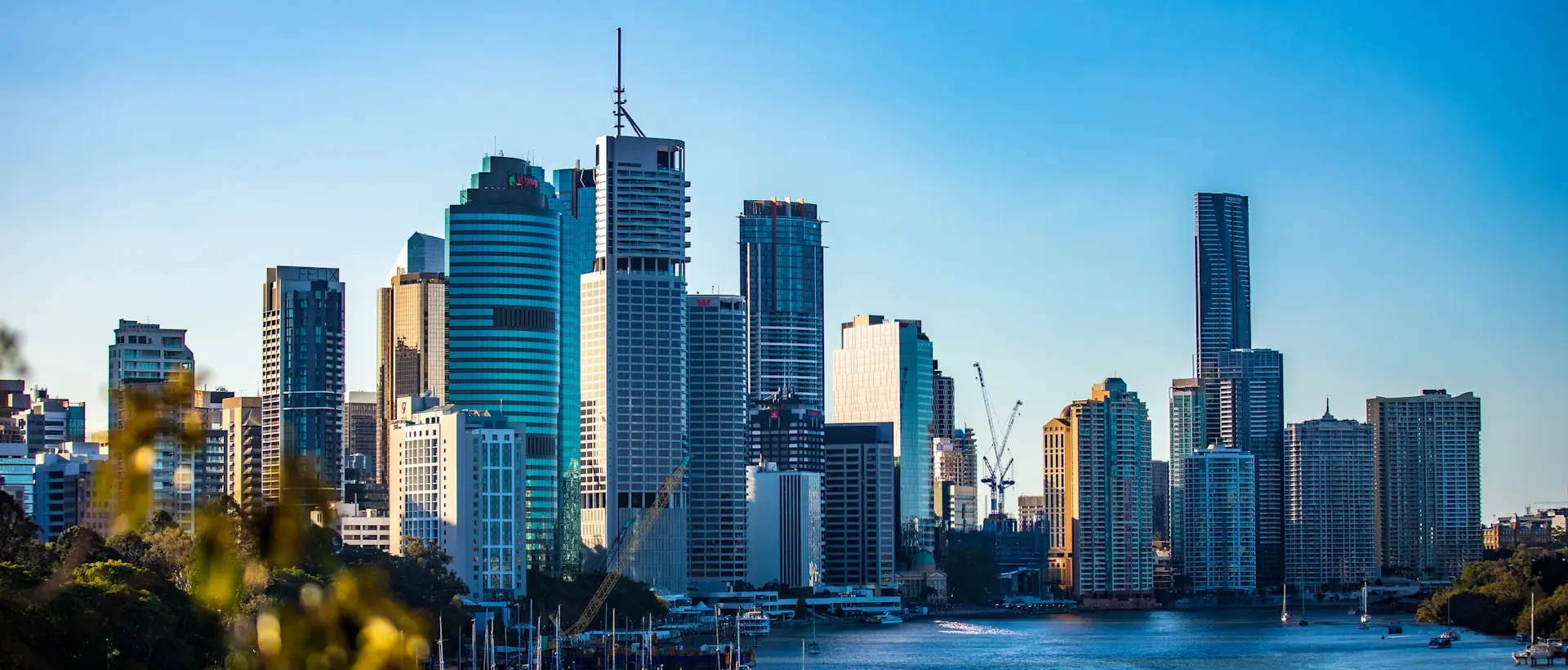
Brisbane cityscape

Art galleries in Brisbane

Brisbane has quietly established itself as a significant hub for contemporary art in Australia, with a thriving gallery scene that rivals larger capitals in ambition and diversity. The city's gallery network comprises 30 dedicated galleries spread across distinctive suburbs and precincts, each offering unique curatorial perspectives and artistic orientations. Unlike the heavily tourist-focused gallery districts found in Melbourne or Sydney, Brisbane's gallery scene retains a distinctly local character—these are spaces primarily built by and for the city's own arts community, though increasingly attracting interstate and international collectors.

West End, Brisbane

Aboriginal Art Co is a Brisbane-based First Nations-led not-for-profit gallery showcasing contemporary Aboriginal and Torres Strait Islander art across paintings, sculptures, fibre art, and wearable pieces. The gallery operates both a physical storefront and online platform, offering works from Indigenous artists alongside cultural artefacts, and hosts exhibitions, workshops, and art tours.

Contemporary Aboriginal & Torres Strait Islander Abstract

Emerging · Mid

Brisbane City, Brisbane

Arabella Wang Art Gallery is a Brisbane-based gallery specialising in contemporary nature-inspired artworks featuring wildlife, botanical elements, and symbolic imagery. The gallery offers limited-edition giclée canvases with hand-painted details, along with bespoke commission services and large-scale mural installations for residential and commercial spaces.

Contemporary Abstract Wildlife & Animals

Emerging · Mid

Paddington, Brisbane

Aspire Gallery is a Brisbane-based gallery in Paddington representing over 70 contemporary artists. It specialises in affordable to mid-range original paintings, prints and mixed media across diverse genres including landscapes, seascapes, figurative work, abstracts and themed collections such as coastal and floral pieces.

Contemporary Abstract Figurative

Emerging · Mid

Fortitude Valley, Brisbane

B.LOWE Art Gallery occupies a heritage-listed art deco building in Brisbane's Fortitude Valley, housed within the restored Plumridge House complex. The gallery operates as a contemporary art space showcasing diverse artistic practices within a historic industrial setting that has been thoughtfully preserved and repurposed for creative enterprise.

South Brisbane, Brisbane

Brisbane Portrait Gallery is a new cultural institution opening mid-2026 in South Brisbane, dedicated to portraiture as an accessible art form exploring identity and representation. An initiative of the Stockwell Foundation, the gallery amplifies Queensland artists and diverse communities, presenting both emerging practitioners and established Australian portrait artists.

Portraiture Contemporary

West End, Brisbane

Creative Room Art Space is a Brisbane-based gallery representing a diverse roster of contemporary painters, sculptors, and textile artists. The gallery showcases figurative works, landscape and botanical painting, printmaking, and textile art, with represented artists working across multiple mediums including oil, watercolour, bronze sculpture, and ceramics. The space hosts curated solo and group exhibitions, runs artist workshops, and supports both established and emerging artists.

Contemporary Figurative Landscape

South Brisbane, Brisbane

Dark Pony Studio + Gallery is a Brisbane-based artist-run space that supports emerging, self-taught and practising artists working outside traditional representation. Operating as both an active studio and evolving gallery, it provides an approachable environment for artistic engagement with ongoing displays and occasional exhibitions.

Clontarf, Brisbane

Dreamtime Kullilla-Art is a Brisbane-based online Indigenous art retailer specialising in Aboriginal and Torres Strait Islander artwork, cultural products, and contemporary gallery pieces. The gallery represents several Aboriginal artists and curates both gallery-quality works and accessible retail art alongside cultural merchandise and educational resources.

Aboriginal & Torres Strait Islander Contemporary Abstract

Paddington, Brisbane

Field Trip is a dynamic gallery in Brisbane's Paddington precinct featuring rotating exhibitions of contemporary art across multiple mediums. The gallery showcases both established and emerging artists working in painting, ceramics, mixed media, photography and textiles, alongside regular talks and community programming.

Contemporary Landscape Figurative

Bowen Hills, Brisbane

FireWorks Gallery, established in 1993, is a Brisbane-based gallery specialising in contemporary Indigenous Australian art alongside portraiture and mixed-media works. The gallery represents a substantial roster of artists spanning Aboriginal and Torres Strait Islander practitioners, regional collaboratives, and contemporary non-Indigenous artists, with a strong focus on supporting artistic estates and cultural preservation.

Contemporary Aboriginal & Torres Strait Islander Portraiture

Mid

West End, Brisbane

House Conspiracy is a community arts centre in West End that provides residencies and affordable studio tenancies for emerging artists. The space fosters collaboration, experimentation and creative connection whilst serving as a nucleus for artistic practice and community engagement across diverse media and disciplines.

Contemporary Abstract Figurative

Teneriffe, Brisbane

Jan Manton Gallery is a Brisbane-based gallery representing a diverse stable of contemporary Australian and international artists. The gallery showcases primarily abstract and figurative painting, alongside sculpture, photography, and works on paper, with particular strength in contemporary art practices that engage conceptual and expressive approaches.

Contemporary Abstract Figurative

Mid

Fortitude Valley, Brisbane

Jan Murphy Gallery is a Brisbane-based gallery in Fortitude Valley that represents a diverse roster of contemporary artists working across painting, sculpture, textiles and mixed media. Known for championing established and emerging artists, the gallery showcases work spanning figurative, landscape, abstract and indigenous art practices.

Contemporary Abstract Figurative

Toowong, Brisbane

Land Street Gallery is a contemporary exhibition space in Toowong, Brisbane, showcasing emerging and established visual artists across diverse mediums and practices. The gallery hosts solo and group exhibitions alongside a working studio program, welcoming artists working in painting, drawing, sculpture, ceramics, printmaking and mixed media. It operates as an accessible community-focused venue with regular programming and artist applications.

Contemporary Abstract Figurative

Paddington, Brisbane

Latrobe Art Space is a Brisbane-based contemporary art gallery located in Paddington that showcases local and international voices. The gallery operates as a creative hub supporting both emerging and established artists, with a focus on contemporary practice and community engagement through exhibitions and cultural programming.

Contemporary

Paddington, Brisbane

Lethbridge Gallery is a Brisbane-based contemporary fine art gallery representing a substantial roster of established and emerging artists across multiple mediums. The gallery actively supports the arts community through exhibitions, art awards and an artist residency programme, whilst also operating a secondary market investment and auction service for art collectors.

Contemporary Landscape Abstract

West End, Brisbane

Milani Gallery is a commercial Brisbane gallery specialising in contemporary art by established and emerging artists. The gallery represents practitioners working across multiple mediums including textiles, painting and photography, with a curatorial focus on conceptual and culturally engaged practice. Based in West End, Milani regularly hosts solo and group exhibitions alongside supporting artists in major international venues.

Contemporary Abstract Figurative

Fortitude Valley, Brisbane

Mitchell Fine Art is a Fortitude Valley gallery specialising in contemporary and Indigenous Australian artworks. Operating for three decades, the gallery represents a diverse roster of artists working across painting, sculpture, and ceramics. They offer an extensive online collection, art rental services, and curate regular exhibitions featuring both represented and guest artists.

Contemporary Abstract Figurative

Mid · Established

Fortitude Valley, Brisbane

Outer Space is an artist-run gallery located in the Judith Wright Arts Centre in Brisbane's Fortitude Valley. Hosting contemporary artwork across multiple mediums and styles, the space serves as a platform for emerging and established artists. Limited public information is currently available on their website.

South Brisbane, Brisbane

PARKER Contemporary is a Brisbane-based gallery specialising in contemporary print and paper practices, located in the Fish Lane Arts Precinct. The gallery represents a roster of established and emerging artists working across printmaking, drawing, painting, and mixed media, with a focus on hand-crafted and experimental approaches to works on paper.

Contemporary Abstract Landscape

Red Hill, Brisbane

Red Hill Gallery is a Brisbane-based commercial art gallery specialising in contemporary Australian paintings, sculpture, glass, ceramics and jewellery. Located in Red Hill, it represents established and emerging artists working across figurative, landscape and abstract styles, offering both established works and new commissions to collectors.

Contemporary Abstract Figurative

Emerging · Mid · Established

Paddington, Brisbane

Red Sand Art Gallery specialises in Aboriginal and Torres Strait Islander artworks, established in 1996 at TiTree in the Northern Territory before relocating to Paddington, Brisbane. The gallery curates a diverse collection of contemporary indigenous paintings, didgeridoos, boomerangs and sculptures, with a strong focus on dotwork traditions and Dreaming narratives from the Utopia Homelands and Central Desert regions.

Aboriginal & Torres Strait Islander Contemporary Abstract

Albion, Brisbane

Revival Art & Design Gallery is a Brisbane-based contemporary art gallery specialising in primarily Queensland and Australian artists. The gallery holds regular solo and group exhibitions, annual emerging artist prizes, and showcases work at interstate and international art fairs. It also features fine craft, industrial design, and ceramics alongside painting and sculpture.

Contemporary Abstract Landscape

Emerging · Mid

Fortitude Valley, Brisbane

Studio Gallery Group operates three galleries across Melbourne, Sydney and Brisbane, representing a dynamic roster of emerging and established contemporary artists. The gallery emphasises inclusive, progressive art spaces built on ethical principles, offering solo and group exhibitions alongside artist talks and installations.

Contemporary

Newstead, Brisbane

Maud Creative is Brisbane's dedicated photography gallery and cultural centre, housed in Newstead. It showcases contemporary and documentary photography across diverse subjects—from landscape and architecture to portraiture, wildlife and community. The gallery operates darkroom facilities, runs workshops in analogue and digital photography, and represents a roster of established and emerging photographers.

Contemporary Photography Landscape

Emerging

Fortitude Valley, Brisbane

The Renshaws is a Brisbane-based gallery representing a roster of contemporary Australian artists working across diverse mediums including painting, sculpture, photography and mixed media. Located in Fortitude Valley, the gallery showcases work ranging from abstract and figurative pieces to landscape and photographic works, with a focus on established and emerging artists.

Contemporary Abstract Figurative

West End, Brisbane

Vacant Assembly is a Brisbane-based artist-run venue and cultural space dedicated to grassroots arts, community activation and experimental practice. Housed at 266 Montague Road in West End, it operates as a multidisciplinary hub offering gallery exhibitions, studio residencies, workshops, and participatory projects across seven years of operation, with a focus on accessible, collaborative art-making and community wellbeing.

Contemporary Abstract

Emerging

Frequently asked questions

Is it okay to visit a Brisbane gallery without intending to buy anything? +

Absolutely. galleries expect visitors at all levels of engagement and commitment. Looking, learning, and leaving without a purchase is entirely normal. Gallery staff understand that many people visit to explore art, educate themselves, or simply enjoy viewing work. This is part of gallery culture and no one will make you feel unwelcome. If anything, galleries appreciate visitors who take time to genuinely engage with work even if acquisition isn't immediate.

What's the difference between galleries in West End, Brisbane City, and Fortitude Valley? +

West End functions as Brisbane's main creative precinct with the highest gallery concentration and most pedestrian-friendly gallery-hopping experience. Galleries here tend to showcase contemporary and abstract work with a strong local collector focus. Brisbane City galleries are CBD-based, more formal in presentation, and typically feature established artists with higher price points. Fortitude Valley offers experimental and emerging artist work at more accessible prices, attracting younger collectors and those interested in artistic risk-taking. Each precinct has distinct curatorial personalities.

Do I need to understand contemporary art to visit Brisbane's galleries? +

No. Gallery staff expect visitors with varying levels of art knowledge and welcome genuine curiosity. If you don't understand something, asking 'Can you tell me about this work?' is entirely appropriate and appreciated. Good galleries help visitors develop their understanding through conversation. Contemporary art isn't a closed club requiring specialised knowledge—it's meant to be engaged with directly. Your instinctive response to work matters; if something interests or moves you, that's a valid starting point.

What price ranges can I expect for artwork in Brisbane galleries? +

Brisbane galleries serve the entire price spectrum, from artwork under $500 to five-figure and six-figure pieces. Generally, West End and Brisbane City galleries stock higher-priced work from established artists, whilst Fortitude Valley, South Brisbane, and inner-north locations offer more accessible price points featuring emerging or mid-career artists. Photography, prints, and smaller works tend toward lower prices than large-scale paintings or sculptures. It's entirely appropriate to ask galleries about price ranges for specific artists or styles.

Can I purchase artwork online or do I need to visit galleries in person? +

Many Brisbane galleries maintain websites and social media presence showcasing their program, though this guide doesn't include specific website information. Some galleries accept online inquiries and sales, whilst others prefer face-to-face engagement. Visiting in person offers advantages—you see work at scale, experience colour accurately, and develop relationships with gallery staff. For significant purchases, many collectors prefer in-person viewing. Contact galleries directly to ask about online options, but where possible, visiting Brisbane and seeing work in its intended gallery space is worthwhile.

Which Brisbane galleries are best for collectors interested in Aboriginal and Torres Strait Islander art? +

Six of Brisbane's 30 galleries specifically feature Aboriginal and Torres Strait Islander art. These galleries often have specialised knowledge of Indigenous artistic traditions, contemporary Indigenous artists, and authentication practices. South Brisbane and inner-precinct galleries are particularly strong in this area. It's worth visiting multiple galleries specialising in Indigenous art to experience different curatorial approaches—some focus on traditional designs and contemporary reinterpretations, whilst others showcase Indigenous artists working in entirely contemporary modes. Gallery staff can guide you through the cultural contexts and significance of work.

Art Galleries in Brisbane: A Comprehensive Guide to Queensland's Contemporary Gallery Scene

Brisbane's Gallery Landscape: An Emerging Cultural Destination

Brisbane has quietly established itself as a significant hub for contemporary art in Australia, with a thriving gallery scene that rivals larger capitals in ambition and diversity. The city's gallery network comprises 30 dedicated galleries spread across distinctive suburbs and precincts, each offering unique curatorial perspectives and artistic orientations. Unlike the heavily tourist-focused gallery districts found in Melbourne or Sydney, Brisbane's gallery scene retains a distinctly local character—these are spaces primarily built by and for the city's own arts community, though increasingly attracting interstate and international collectors.

The proliferation of galleries in Brisbane reflects broader shifts in the city's cultural identity. Once perceived as primarily a corporate or recreational destination, Brisbane has invested significantly in arts infrastructure and programming over the past two decades. This growth has been organic rather than top-down; galleries have clustered in particular precincts because those neighbourhoods offered affordable rents, abundant studio space, and a community of artists and creative practitioners. The result is a gallery scene that feels genuinely rooted in its locations rather than transplanted from elsewhere.

What distinguishes Brisbane's gallery environment is the sheer stylistic range available to visitors and collectors. From the sharp lines of abstract composition to the emotional intensity of contemporary figurative work, from landscape painting to cutting-edge Indigenous art, Brisbane's galleries showcase work across at least 13 distinct art categories. This variety means that collectors with virtually any aesthetic preference will find galleries that speak to their interests. Moreover, the commercial nature of these spaces—unlike publicly-funded institutions—means they are highly responsive to market trends and collector preferences, making them excellent barometers of what contemporary art collectors actually want to acquire.

The Major Gallery Precincts: Where to Focus Your Visit

West End has emerged as Brisbane's primary gallery destination, positioning itself as the city's creative epicentre. This inner-west suburb hosts a significant cluster of galleries alongside artist studios, boutique cafés, and independent retailers, creating an ecosystem that supports serious contemporary art engagement. The West End gallery precinct benefits from pedestrian-friendly streets, affordable street parking, and an established arts community that spans multiple decades. Visitors to West End can typically gallery-hop on foot, discovering new work across multiple spaces in a single afternoon. The suburb's galleries tend toward contemporary and abstract works, reflecting both the preferences of the local collector base and the aesthetic sensibilities of the artists and curators who have made West End their home.

Brisbane City's central gallery offerings present a different experience entirely. Located in the CBD, these galleries tend to be more formal in presentation, often occupying heritage or purpose-built commercial spaces. They typically attract a broader cross-section of visitors, including corporate collectors, tourists, and business professionals with art interests. The Brisbane City galleries often feature higher-priced works and established artists with regional or national profiles. The convenience of lunch-hour access and proximity to other business districts makes CBD galleries particularly attractive for working professionals seeking to view art without venturing far from their offices.

Fortitude Valley and South Brisbane form a secondary gallery corridor with distinct personalities. Fortitude Valley, historically known as a bohemian and creative quarter, maintains galleries that often showcase experimental work, emerging artists, and curatorially adventurous programming. South Brisbane, positioned across the river from the CBD, has positioned itself somewhat differently—galleries here often emphasise Aboriginal and Torres Strait Islander art alongside contemporary work, reflecting the suburb's increasing profile as a cultural and educational destination. The two precincts are easily accessible via public transport, and many collectors visit both in a single excursion.

The inner-north precincts of Bowen Hills, New Farm, and Teneriffe represent Brisbane's emerging gallery frontier. These suburbs, popular with younger creative practitioners and collectors, host several galleries that focus on photography, contemporary painting, and installation work. They lack the established reputation of West End but offer galleries that often take greater curatorial risks. For collectors interested in discovering emerging artists or acquiring work at lower price points than established precincts, these areas warrant exploration. The villages of Paddington and Red Hill, positioned on Brisbane's western ridge, host galleries with strong links to landscape, figurative, and portrait traditions—aesthetically distinct from the more experimental work found in inner-north locations.

Understanding Brisbane's Art Styles: What You'll Encounter

Contemporary art dominates Brisbane's gallery landscape, represented in 25 of the city's 30 galleries. This reflects both global art world trends and Queensland's particular position within them—contemporary practice encompasses everything from traditional painting and sculpture to video installation, conceptual work, and mixed media. Contemporary is also an umbrella term that encompasses nearly all the other stylistic categories on offer, which explains its dominance. When visiting Brisbane's galleries, expect to encounter contemporary work that is highly diverse in materials, subject matter, and conceptual approach. The contemporary designation indicates that galleries are showing work made in the last 10-20 years by artists actively engaged with current artistic conversations, rather than historical or retrospective work.

Abstract and figurative work form the backbone of Brisbane's painting scene, with 20 and 17 galleries respectively featuring these styles. Abstract work ranges from geometric abstraction to gestural expressionism to colour-field painting—each approach attracting different collectors with different investment philosophies. Figurative work includes portraiture, figure painting, and human-centred compositions, and maintains strong collector demand partly because it offers narrative and emotional accessibility alongside artistic sophistication. The prevalence of both categories suggests Brisbane has a well-developed market for traditional painting, even as contemporary practice has diversified into numerous media.

Landscape painting, represented in 13 galleries, remains significant in Brisbane's art market, reflecting both Queensland's natural beauty and the enduring appeal of landscape as a collecting category. Brisbane's landscape paintings often capture regional specificity—the Brisbane River, regional rainforests, coastal scenes—making them particularly attractive to local collectors and visitors seeking art with geographic resonance. Aboriginal and Torres Strait Islander art, featured in six galleries, represents an increasingly important collecting category in Brisbane. This work carries particular significance in Queensland given the state's substantial Indigenous population and ongoing cultural contributions. Indigenous art available in Brisbane galleries ranges from contemporary reinterpretations of traditional designs to entirely contemporary practice by Indigenous artists working across all media.

The remaining categories—portraiture (8 galleries), surrealism (5), still life and floral/botanical work (4 each), expressionism (4), seascape and coastal art (3), wildlife and animal work (3), realism (3), photography (2), and pop art (1)—represent specialised areas where Brisbane offers concentrated offerings. Portraiture, for instance, appeals to collectors interested in figurative work with historical or personal significance. Photography and pop art, while less represented, offer accessible entry points for newer collectors, and their relative rarity in Brisbane's gallery scene suggests galleries stocking these styles have identified specific market opportunities. This stylistic diversity means visitors can pursue highly specific collecting interests or explore unfamiliar categories by visiting galleries that specialise in areas they've not previously considered.

Price Points and Collecting Levels: Finding Work Within Your Budget

Brisbane's 30 galleries cater to collectors across the entire economic spectrum. While reliable price data for individual galleries isn't available in this guide, the principle of price stratification applies: established galleries in Brisbane City and West End with long operating histories, represented artists with national profiles, and premium location rentals tend to stock work at higher price points. These galleries typically feature artists with exhibition histories at major institutions, critical recognition, and established secondary market records. Collectors seeking investment-grade work or already familiar with contemporary art markets will find sophisticated offerings in these spaces.

Emerging and mid-tier galleries, often located in Fortitude Valley, South Brisbane, and the inner-north precincts, typically offer more accessible price points. These galleries often showcase emerging artists not yet represented at institutional level, gallery artists at early or mid-career stages, and work from established artists early in their careers. For collectors new to serious art acquisition or interested in developing emerging artist positions before they appreciate significantly, these galleries represent genuine opportunity. The lower overhead costs in these precincts compared to CBD locations mean galleries can price work more competitively whilst still maintaining healthy margins.

Art advisory services and gallery staff across Brisbane's commercial spaces are generally willing to discuss pricing, editions, materials, and payment terms with prospective buyers. It's entirely appropriate to ask about pricing, layby options, or negotiation possibilities—galleries expect these conversations and understand that price is a legitimate factor in collecting decisions. Many galleries work with clients to find pieces within specific budgets or establish relationships with collectors who plan to acquire work progressively over time. The Brisbane gallery scene, whilst professional, retains a relatively approachable and non-pretentious character compared to galleries in larger cities, making price conversations straightforward rather than awkward.

First-Time Visitors and New Collectors: How to Approach Brisbane's Galleries

Approaching Brisbane's galleries as a first-time visitor need not be intimidating. The primary principle is straightforward: galleries exist to show work and facilitate conversations about it. Walking in, looking around, and departing without making a purchase is entirely normal and expected. Gallery staff are accustomed to visitors at all levels of experience and familiarity with contemporary art, and good galleries welcome this diversity. If you're uncertain about what you're looking at, asking questions is welcomed. Gallery staff can explain artistic techniques, contextualise work within broader artistic movements, discuss the artist's practice, and provide information about pricing, editions, and acquisition.

A productive approach for new collectors involves visiting galleries across multiple precincts to develop a sense of what resonates aesthetically and philosophically. Spend time looking before deciding what matters to you—Is the colour palette important? Does the conceptual approach matter? Are you drawn to representational work or pure abstraction? Do historical references in artwork appeal to you? By visiting perhaps 8-12 galleries across different precincts, you'll have sufficient exposure to identify stylistic preferences and gallery environments where you feel comfortable. Some collectors find they prefer the curatorial voice of specific galleries—if a particular gallery's selections consistently excite you, developing a relationship with that gallery staff member becomes valuable.

When you identify a work that genuinely interests you, it's appropriate to ask questions beyond price. Inquire about the artist's background and practice, whether the work is sold or available, what medium and materials were used, how the work fits within the artist's broader practice, and whether the gallery represents the artist directly. If you're interested in collecting but not ready to purchase immediately, expressing that interest to gallery staff is useful—many galleries maintain waiting lists or contact collectors when relevant work becomes available. Building relationships with gallery staff creates a foundation for future acquisitions and ensures galleries understand your interests when new work arrives.

Gallery Etiquette and Practical Considerations

Brisbane's galleries operate according to fairly standard contemporary gallery conventions. When entering, assume that handling artwork is not permitted unless explicitly invited by gallery staff. Works on walls or plinths are to be viewed but not touched—this protects artworks from damage and maintains their condition for other viewers and future owners. Photography policies vary by gallery; some permit it freely whilst others request that you ask permission or refrain from photographing work. It's appropriate to ask before photographing, particularly if you intend to share images on social media or use them for reference purposes.

Opening hours vary across Brisbane's galleries and precincts. West End galleries typically maintain standard retail hours, often closed on Mondays and opening Tuesday to Sunday, with extended evening hours perhaps one or two nights weekly. Brisbane City galleries usually align with CBD business hours, closing by 5 or 6 pm on weekdays. Fortitude Valley and South Brisbane galleries typically operate similar hours to West End, though some maintain more variable schedules. The inner-north and suburban locations show more variation—some galleries by appointment only, others keeping extended hours. Before planning a gallery visit, it's worth checking individual gallery hours, particularly if visiting on a Monday, public holiday, or outside business hours. Most galleries display contact details, websites, or social media pages where current hours are listed.

Dress codes are entirely informal—galleries welcome visitors in any attire, from casual to formal. The Brisbane gallery environment is notably unpretentious compared to major capital cities; you're far more likely to encounter gallery staff and other visitors in casual wear than formal clothing. If you have genuine interest in art and want to engage seriously, that matters far more than appearance. When visiting multiple galleries in sequence, sensible walking shoes become important rather than fashion statements. Many galleries offer water or coffee; it's appropriate to ask if refreshments are available, and accepting offered refreshments strengthens the informal, welcoming atmosphere that characterises Brisbane's gallery scene.

Using This Directory: Strategies for Finding Your Gallery

This directory lists 30 galleries across 13 Brisbane precincts and suburbs. To use it effectively, begin by identifying which areas of Brisbane are most convenient for you to access. If you're based in the CBD, West End and Brisbane City galleries are obvious starting points. If you're from the north side, Bowen Hills, New Farm, and Fortitude Valley offer proximity alongside diverse galleries. Once you've identified a precinct, visiting multiple galleries in that area on a single expedition is efficient—they're often within walking distance or short drives of each other.

If you've identified specific art styles that interest you, use the style categories listed for each gallery to narrow your focus. However, remember that style categories overlap significantly—a gallery listed under 'contemporary' and 'figurative' may showcase work that sits at the intersection of those categories in complex ways. Let style preferences guide initial selection but remain open to discovering work that transcends category. Many of Brisbane's most accomplished works challenge or combine categories rather than fitting neatly into one. The directory is organised by suburb and precinct, which supports geographic decision-making, but also reference the style breakdowns to identify thematic clusters.

For collectors with established collecting practices, seeking galleries that represent specific artists or working in styles you already collect makes strategic sense. If you already own abstract work, visiting the 20 galleries specialising in abstraction lets you develop depth in that area. For new collectors, visiting galleries across multiple style categories exposes you to the breadth of contemporary practice and helps identify aesthetic preferences you might not have anticipated. Consider planning a 'gallery crawl' across West End or Fortitude Valley—visiting 5-6 galleries in a single afternoon builds coherent understanding of how different curatorial voices approach similar aesthetic territory.

The Broader Context: Brisbane's Contemporary Art Market

Brisbane's gallery scene exists within a broader Queensland and Australian contemporary art context. The city's galleries contribute to and benefit from several structural factors worth understanding. Queensland has no major public contemporary art museum (the Queensland Museum focuses on natural history and social history), which creates unusual market dynamics—galleries shoulder more curatorial responsibility than in other Australian cities where public institutions carry significant contemporary programming. This actually benefits Brisbane's gallery scene, as galleries have greater freedom to take conceptual and aesthetic risks without institutional conventions constraining programming choices.

The collector base supporting Brisbane's 30 galleries comprises local collectors, interstate visitors, and increasingly, international collectors with Australian investment interests. The 2010s and 2020s saw significant growth in Australian contemporary art collecting driven by international hedge funds, wealthy Asian collectors, and investment-focused buyers. Brisbane, whilst not yet commanding the same attention as Melbourne or Sydney, has benefited from this expansion. The city's lower entry prices compared to major capitals make it attractive for emerging collectors building positions in Australian contemporary art. For visitors from interstate or internationally, Brisbane's galleries offer good value and genuine artistic quality—you're not paying Sydney or Melbourne market premiums for Queensland artists and work.

The diversity of the Brisbane gallery scene—across precincts, styles, and price points—reflects a healthy, competitive market. None of the 30 galleries enjoy monopoly positioning; they succeed by developing distinctive curatorial voices, maintaining good relationships with collectors, and supporting artists whose work resonates with defined audiences. This competitive environment benefits visitors and collectors through curatorial quality, fair pricing, and genuine engagement. Unlike cities where one or two mega-galleries dominate landscape, Brisbane's distributed model ensures visitors encounter genuine variety and curators competing on quality rather than market power alone.

List your gallery

Tell us a little about your gallery and we'll be in touch to set up your listing.

Claim a gallery

Find your gallery below and send us your details — we'll verify and hand over your listing.