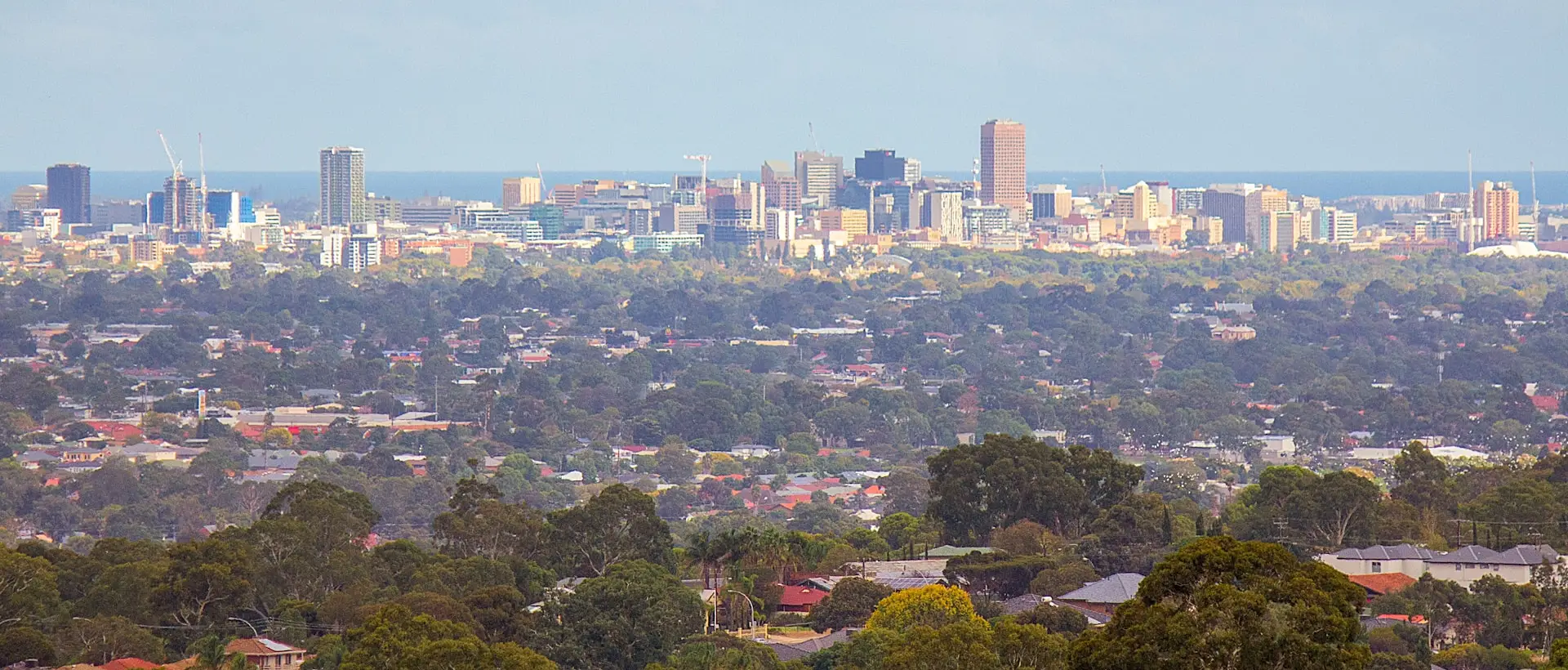
Why Adelaide's Art Gallery Scene Matters to Collectors
Adelaide has quietly become one of Australia's strongest places for contemporary visual art. Unlike Sydney or Melbourne, where galleries can feel crowded or overly commercial, Adelaide's art world works differently. It's genuinely accessible, intellectually solid, and actually committed to supporting both emerging and established artists. The city has 18 galleries spread across different suburbs, each with its own character and focus. If you're serious about buying art or just curious about what Australian artists are making right now, Adelaide's a genuine destination.
The way galleries operate here says something about South Australian culture. Adelaide hosts the Adelaide Biennial, brings in major international shows, and has art schools that feed talented graduates into local and national exhibitions. When you walk into an Adelaide gallery, you're not just shopping. You're stepping into a working professional ecosystem where curators, dealers, and artists actually know each other and care about having real conversations around art. That comes through in the exhibitions on display, the staff who know their stuff, and the chance to buy something with confidence, whether it costs five hundred or fifty thousand dollars.
Adelaide's lower cost of living compared to Sydney or Melbourne makes a real difference. Because it's cheaper to operate, galleries can take more risks with their programming, artist prices stay reasonable and fair, and people actually build long-term relationships with dealers. Most gallery owners have been working in their fields for over ten years, building reputation through serious curatorial thinking rather than chasing trends. Factor in the range of work available, contemporary, Indigenous Australian, abstract, landscape, figurative, and Adelaide's an underrated spot for serious collectors and anyone genuinely interested in art.
Understanding Adelaide's Gallery Districts and Their Character
Adelaide has 18 galleries spread across seven suburbs, and they're pretty different from each other. The city centre is the main draw, with galleries catering to serious collectors and picking up foot traffic from people visiting nearby museums and cultural venues. CBD galleries tend to stock higher-end contemporary work, slick abstract pieces, and carefully assembled group shows that attract collectors and people who know their stuff. But really, each inner suburb tells its own story about Adelaide's art scene and what locals are after.
Norwood has carved out a real identity for itself as somewhere worth going. The main street's always busy, especially on weekends with the markets, and it's known around Adelaide as the place where creative types hang out. You've got galleries mixed in with independent bookshops, live music venues, and solid restaurants, so a gallery visit usually turns into a whole afternoon wandering around. The work tends to be contemporary, usually focused on younger artists, and priced so you don't need to remortgage your house.
Edwardstown and Glenelg are basically on opposite sides of the city. Edwardstown galleries pull in locals and collectors willing to go a bit off the beaten path, showing experimental work and artist-run spaces alongside commercial outfits. Glenelg's different altogether because of the beach and the affluent crowd, so galleries there stock landscape, seascape, and figurative stuff that appeals to visitors and collectors after something pleasant to hang above the sofa. Beulah Park, Salisbury, and Bowden all have their own flavour. Bowden's emerged as a contemporary creative hub in the last few years, while Beulah Park and Salisbury still cater to traditional collectors with more conservative tastes.
The Diversity of Art Styles: What You Can Find in Adelaide
All 18 Adelaide galleries stock contemporary work, meaning they prioritise living artists and what's being made right now. That doesn't mean everything looks the same. Abstract work appears in 14 of the 18 galleries, making it the most common category on offer. That mirrors what sells elsewhere, but in Adelaide it also reflects local artists being particularly strong at non-representational painting and sculpture. If you're after bold abstracts, there's genuine depth to explore here.
Landscape work shows up in 9 galleries and holds real significance in Adelaide. South Australia's dramatic coastlines, outback interiors, and particular light have shaped artists for centuries, and contemporary landscape painting still matters. These aren't nostalgic pieces though. Contemporary landscape artists in Adelaide engage with climate, land rights, urban sprawl, and how we perceive the environment. Figurative work features in 8 galleries, and portraiture in 3, both drawing on classical traditions whilst grappling with contemporary ideas about identity, embodiment, and representation.
Looking at the specifics reveals where Adelaide's strengths and gaps sit. Aboriginal and Torres Strait Islander art appears in 4 galleries, which is notable but also signals room for growth in mainstream gallery representation of Indigenous Australian artists. Floral and botanical work, wildlife and animal art, and realist painting each turn up in 3 galleries. Photography appears in the same number, reflecting its status as serious fine art and its particular appeal to Adelaide collectors. Seascape and coastal work, still life, and minimalist practice each appear in 2 galleries, with expressionism and street and urban art in one gallery each. This spread matters: some styles are easy to find across multiple venues, others call for more targeted searching.
Price Points and Collecting Strategies for Different Budgets
Adelaide's price range is genuinely wide without sacrificing quality or standards. You're not forced to pick between cheap emerging artist work (under $1,000) and serious investment pieces (over $10,000). The galleries here carry solid work at every price point. First-time collectors with $500-$2,000 will find real contemporary work from working professionals across most precincts, especially Norwood, Bowden, and the inner suburbs. These aren't training wheels for serious collecting. They're actual finished artistic practices by artists with active careers.
The $2,000 to $8,000 range is where Adelaide galleries do best. Contemporary abstract, landscape, and figurative work by established local and Australian artists sits here alongside emerging international artists starting to show up in Australian collections. Most galleries focus their main shows in this bracket, so curators put real effort in and the staff know their material. If you're serious about building a collection but your budget isn't unlimited, this is where Adelaide really delivers.
Collectors with over $8,000 to spend should recognise that while Adelaide's galleries are legitimate and professional, Sydney and Melbourne have more depth in established artists and historical work by dead artists. Adelaide works brilliantly though for picking up significant work by regionally important artists, supporting living Australian artists with Adelaide connections, and building collections with proper curatorial thought rather than pure investment logic. Several galleries work directly with this group, offering advisory services, collection development help, and information on artists' market history.
How you approach collecting matters at any price point. New collectors should check out multiple galleries across different suburbs before spending big money, getting a sense of the market and what you actually want. Most Adelaide galleries welcome an email before a visit, and staff tend to enjoy serious conversation with interested people. Experienced collectors often build relationships with galleries whose taste fits their collection, which gets you first word about new acquisitions, access to unpublished work, and useful talk about developing your collection properly. The directory helps both new and experienced collectors find galleries that match their interests and budget.
Practical Advice for Visiting Adelaide's Galleries
Before you head out, it's worth knowing that most Adelaide galleries run 10am to 5pm Tuesday to Saturday, though you'll find odd ones out. They tend to shut on Sundays and Mondays, so aim for mid-week or Saturday mornings if you want to catch everything. A lot are owner-run or small operations, which means you might need to call ahead, especially for smaller spots that work by appointment. Give the gallery a ring before you visit, particularly if you're travelling from interstate or further afield. You'll likely end up chatting with the owner or someone who really knows the work, which beats talking to a receptionist any day.
Adelaide's small enough that you can knock off several galleries in a single day without too much hassle. You could see Norwood galleries in a morning and grab lunch. The city centre galleries are all within walking distance. Glenelg galleries work nicely with a beach afternoon. Bowden and the inner north are worth hitting as a creative area. Pick a theme and stick to it, whether that's abstract work across multiple spots or landscape pieces in the Glenelg and coastal galleries. That kind of focused approach helps you spot how different artists approach the same subject. The gallery directory is set up to help you search this way.
Gallery behaviour in Australia is pretty laid-back but worth knowing about. It's a professional space, but staff aren't expecting you to be stiff about it. You can ask about how something was made, its background, cost, and the artist themselves. People who are genuinely interested are always welcome, and gallery staff actually enjoy talking through the work they've picked. Photography isn't usually allowed unless they tell you it's fine, so just ask. If something has a red dot on it, it's been sold. Look, but don't expect to have a chat about buying it. Grab their business cards and take some brochures. Galleries are used to people who browse now and come back later. If something catches your eye, mention it. Staff will happily talk through what the artist does, what's coming up, or what else they've got that's similar. That's how people actually build collecting relationships.
Aboriginal and Torres Strait Islander Art in Adelaide's Galleries
Aboriginal and Torres Strait Islander art represents some of Australia's most important contemporary work on the world stage. In Adelaide, only 4 galleries have dedicated or substantial Indigenous programming, which reflects a broader national issue. South Australia has multiple Indigenous nations and communities living here, yet gallery representation of Indigenous artists remains fairly thin outside public institutions like the Art Gallery of South Australia. The commercial galleries could be doing more to support this work. That said, the 4 galleries that do show Indigenous art take it seriously. They maintain solid standards and genuine working relationships with artists and communities, so pieces get shown with proper cultural context and ethical practices in place. If you're collecting, these galleries can point you towards work that interests you, or you can explore the Art Gallery of South Australia's existing collection.
Indigenous Australian artists working today use all kinds of approaches: contemporary work, abstraction, landscape, portraiture, photography. Some collectors focus on particular language groups or regions, while others cast a wider net. What matters most is knowing your work is genuine. Any gallery showing Indigenous art worth your time will be upfront about the artist's background, their community, and what the work actually means culturally. Adelaide's galleries generally handle this properly. Starting out? Staff can talk you through how to build your knowledge without feeling lost. The Art Gallery of South Australia runs good programs that help contextualise things too. Asking staff for learning tips is completely fair game.
Prices for Aboriginal and Torres Strait Islander art are all over the place. A lot depends on where the artist sits in their career, who represents them, and their track record. You might pay $500 for an emerging artist or over $50,000 for someone well established. Like other contemporary art, collecting here pays off if you're patient and willing to build real relationships with galleries and artists. Speculation doesn't work. Adelaide's actually got an advantage here because there's less hype around Indigenous art in local galleries. You get more genuine conversation about the work itself. For serious collecting, these galleries are a good starting point, but realistically you'll want to look at artist-run spaces, community organisations, and galleries in other Australian cities to really understand the broader field.
Using This Directory to Find Your Gallery
This directory lists 18 Adelaide galleries and sets them up so you can work out which ones suit you. Say you want to build a contemporary abstract collection under $4,000. You can filter for abstract work straight away and see where those galleries are located. Planning a Saturday around one suburb? Filter by Norwood, Glenelg, or Bowden and map out a run through galleries in the same area.
We've sorted the art styles using standard industry terms: contemporary (current artistic practice), abstract (non-representational work), landscape (natural environments), figurative (human figures), portraiture (individual likenesses and representation), Aboriginal and Torres Strait Islander (work by Indigenous Australian artists), floral and botanical (plant life), wildlife and animal (animals and creatures), realist (accurate representation), photography (lens-based art), seascape and coastal (water-focused landscapes), still life (objects and arrangements), minimalist (reduced forms and materials), street and urban (urban and street art), expressionist (emotional and gestural qualities). Keep in mind that galleries refresh their shows. This directory captures what each gallery normally shows or prioritises, but exhibitions shift regularly. Check their websites or give them a ring to see what's on now and what they've picked up recently.
As you spend time in Adelaide's galleries, you'll work out which ones fit your taste and the way you collect. Some collectors stick with one or two galleries whose approach lines up with theirs. Others get around five or six different spaces on a regular basis. Either way works fine. The directory's here to skip the legwork so you can get to the good bit: looking at art, understanding it, and collecting what actually matters to you. Use it as your entry point and build your own sense of Adelaide's gallery scene, piece by piece.
Supporting and Engaging with Adelaide's Art Community
When you buy art from Adelaide's galleries, you're backing local artists, the people who run the spaces, and the whole system that keeps the city's art scene ticking. Picking up a work is about more than just owning something nice. You're helping an artist keep making work, giving a gallery room to take chances on newer talent, and feeding into the cultural economy that sets Adelaide apart. Most collectors realise pretty quickly that the actual people and connections behind a piece matter just as much as whether they like hanging it on the wall. Adelaide's art world is tight enough that artists work with dealers they know, dealers know their collectors, and these connections stick around.
There's plenty to do beyond buying. Most galleries throw opening nights, artist talks, and private views that collectors can get along to. Sign up for gallery newsletters and you'll hear about this stuff. The Adelaide Biennial runs annually and brings in serious institutional weight, usually showing artists who exhibit in local galleries. Art magazines and online sites covering South Australian work give you the context to understand what's actually going on. Read some of that before you visit, and the conversations around current art start to make more sense. You can also check out artist studios during open studio events, catch gallery talks, or hit the art fairs and pop-ups that happen throughout the year. Like most regional art scenes, Adelaide's art world responds to people who genuinely care and show up with real interest, not just people wanting to buy something. When you actually engage that way, it's better for you and it strengthens the whole thing.