
Art & Culture
The Language of Colour in Contemporary Australian Art
1 June 2026
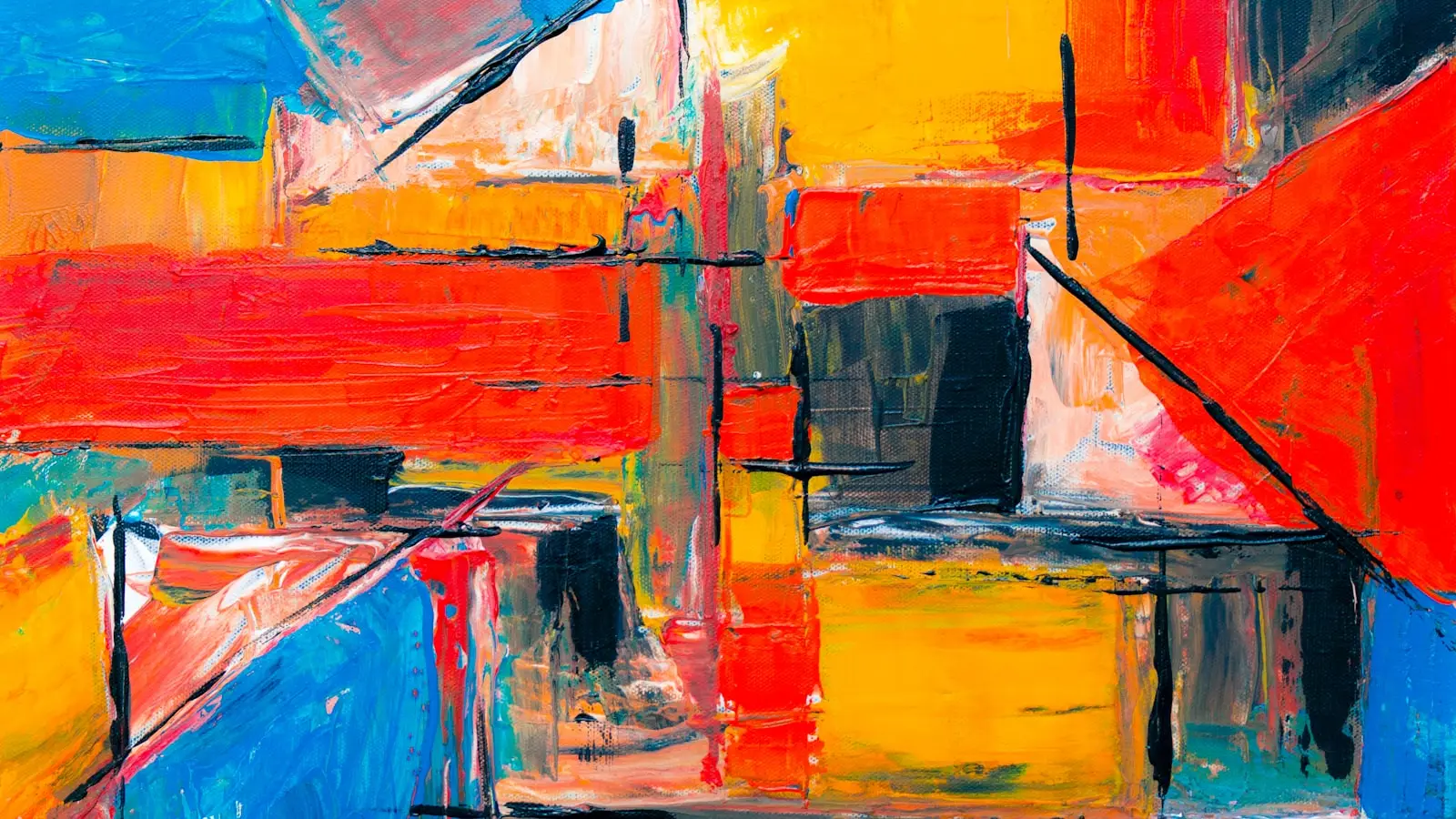
Colour as Cultural Conversation in Contemporary Australia
Colour does real work in Australian art. Head into a gallery in Melbourne's Fitzroy or Sydney's Barangaroo and you'll notice it immediately. Artists are using bold colour to make you confront questions about identity, belonging, and the tangled history between Indigenous and settler cultures. It's not decoration. The colour decisions are intentional and often jarring, pushing viewers to sit with uncomfortable questions about what they're actually seeing.
Australia's landscape has always shaped how artists use colour. The hard light, the reds and browns of the earth, the particular way light cuts across huge inland spaces. But today's artists have taken it further. They're not just painting what they see. They're testing what colour can do and what it means. When an artist dealing with Stolen Generations narratives picks a harsh lime green, that's a choice with weight. When a landscape painter deliberately flattens and desaturates their colours, that's making a statement. These conversations are happening right across Australia, from Perth to Hobart, Brisbane to Adelaide.
Desert Hues: Indigenous Influence and Contemporary Practice
Aboriginal and Torres Strait Islander artists have been working with colour for tens of thousands of years, and that knowledge has rippled through to how contemporary Australian artists approach their craft today. The ochres, earth pigments, and mineral colours they've used aren't just pretty to look at. They carry knowledge systems, songlines, and spiritual meaning baked right into them. These days, plenty of non-Indigenous artists engage seriously with these traditions through study, mentorship, and actual cultural exchange rather than just lifting ideas without thinking.
You'll see the umbers, siennas, and deep reds from the Kimberley and Central Desert popping up in contemporary work all over the place. What they mean depends on how they're used. In abstract pieces they might hint at spiritual searching. In land-based work they anchor the viewer to a particular place, pulling connections between a gallery wall and the red earth back home. If you're paying attention to what contemporary Australian art is doing, learning to read the cultural weight carried in colour choices matters.
That said, there's a real tension here about who gets to use what, and how artists should handle traditions they didn't grow up in. Major galleries are now working alongside Indigenous artists and communities to make sure these colours and techniques get proper credit and that the artists doing the work get paid for it. The Australian art world is slowly facing up to its colonial past by looking hard at what materials and colours it chooses to work with.
Melbourne's obsession with colour abstraction
Wander through the studios in Collingwood, Abbotsford, and Fitzroy and you'll spot plenty of work where colour does the heavy lifting. Artists here play with how hue, saturation, value, and temperature interact to create meaning without relying on recognisable shapes or figures. It's substantive stuff, not window dressing. The relationships between colours can feel almost physical, the way certain tones and intensities sit against each other.
Melbourne's art institutions back this approach. The city keeps running exhibitions that treat colour as the main game rather than a supporting player. That builds genuine lineages of artists working within these traditions. For people buying work or spending time in galleries, it means you get proper exposure to how colours actually talk to each other. You start picking up on the small shifts in tone and saturation that alter the whole mood of a piece.
What makes it interesting is that Melbourne's colour artists aren't just fiddling with pure abstraction. Plenty of them use bold, non-representational colour to tackle ideas about power, surveillance, gender, and technology. A colour field might reference the glow of digital screens, lab conditions, or emotional states that can't be painted any other way. That's what keeps the work coming out of Victoria's studios feeling both technically solid and intellectually serious.
How Australian Artists Are Using Colour to Respond to Environmental Crisis
Climate change is changing the way Australian artists approach landscape painting. They're using colour in deliberate ways to express environmental anxiety and show how things are shifting. Rather than trying to paint a pretty view or assert a sense of settler ownership, contemporary artists are using colour to expose ecological collapse, species loss, and the violence being done to the environment.
Some artists use bold, artificial colour palettes that make everyday landscapes look strange and unsettling. Bleached whites, sickly yellows, and unnatural colour shifts communicate environmental damage more viscerally than documentary realism could. This visual distortion can strike harder emotionally than a photograph because it doesn't let viewers sit back and stay detached. Others work with a limited colour range to suggest depleted ecosystems stripped of their natural diversity. This strategy has real resonance in Australia, where climate change isn't some distant concept. People here are living through extreme heat, changing rainfall patterns, and ecosystems transforming in front of them.
Australian galleries are showing more of this work all the time. For collectors who care about what's happening, these pieces offer a way to engage with what matters right now through art. Works that explore colour and environmental change are serious artistic responses to being alive in Australia during the 2020s, often informed by conversations with scientists, Indigenous knowledge holders, and environmental activists.
Diaspora, Identity, and Colour Codes in Australian Contemporary Art
Australian contemporary art now reflects how diverse the country actually is. Artists from Asian, African, Middle Eastern, and Pacific backgrounds have brought their own colour traditions into our galleries. A lot of them use colour to talk about heritage, what it means to be displaced, and how identity changes. You see West African textile saturation, the way colour works in Chinese ink painting, the geometric punch of Pacific Indigenous art. These traditions have genuinely shifted what Australian artists do.
For diaspora artists, colour becomes a way to think through where they belong. An artist might put warm, saturated colours from childhood next to Australian light and landscape, making work that's not just looking back but not fully embedded here either. It's complicated stuff, visually and intellectually. You can see it in Sydney, Melbourne, Brisbane, and Perth galleries. When you look at these works, you're really getting into ideas about moving, home, how culture sticks around, and how it shifts.
Australian institutions have caught up too. Big public galleries now regularly buy and show work by artists of colour and migrant heritage. The way curators think about things has changed, so there's proper space for cultural detail and what individual artists are actually trying to do. It makes the gallery experience better and means the walls look more like who actually lives here.
Gender, Embodiment, and the Politics of Pink, Red, and Flesh Tones
Feminist and queer Australian artists have deliberately taken up colours that modernism pushed to the margins. Pinks, reds, flesh tones. The whole spectrum modernism dismissed as merely decorative has gained real force. These artists reclaim colours historically bound up with femininity, domestic space, and feeling, and they put them to work in contexts that demand serious thought.
Western art traditionally calibrated flesh tones around white skin, which left artists of colour in a bind. Either stay invisible within those inherited systems or invent new ways to represent what bodies actually look like. Contemporary Australian artists, especially those working across complex intersections of gender, sexuality, race, and cultural identity, have become sharp at using colour to expose these gaps and point toward alternatives. Works that celebrate and make visible Black skin, brown skin, disabled bodies, queer embodiment, and non-normative gender through deliberate colour choices matter a lot in Australian visual culture right now.
When you stand in front of these works in a gallery, something shifts in how you see colour relationships and what you expect painting to do. Art that refuses to smooth over difference or treat identity as something less important than form lets viewers push back against ideas about beauty and worth they've absorbed over time. For collectors, pieces engaging with gender and colour politics represent both specific investments and participation in larger conversations about which lives and bodies get to be seen and celebrated in visual art.
Colour in the Gallery: Exhibition Design and Viewer Experience
A painting looks completely different depending on what's around it. The colour of the walls matters hugely. So does the lighting, whether natural or artificial, and how the works are positioned in relation to each other. Gallery staff across Australia have cottoned on to this. They know that what you see when you look at a piece is shaped by all these factors, not just the artwork itself. Grey walls change the game. Coloured walls even more so.
Good curators think about colour as a tool that runs through an entire show, not just within individual pieces. They might move you from a room full of bold, saturated works into spaces that are quieter and more muted, and that shift hits hard. It changes how you see things. Australian galleries do this deliberately. They treat how an exhibition is designed and sequenced as an art form in itself. If you're trying to get better at looking at art, paying attention to these choices matters. You'll start noticing things you'd otherwise miss.
How the artist meant a work to be seen, how the curator presents it, and how you actually experience it in the room are all tangled up together. Big places like the National Gallery of Australia, the Museum of Contemporary Art Sydney, and ACCA in Melbourne are always trying new approaches to how they arrange exhibitions. Going to these places teaches you something practical about the way colour actually works. Once you start understanding this stuff, you walk into other galleries differently.
Digital Colour, Screen Culture, and Emerging Practices
Digital tools have changed the way artists approach colour. When you work with screens, digital software, or a mix of traditional and digital methods, you're working with colour in a fundamentally different way than you would with paint or pigment. Screens use additive colour systems (RGB), which means you've got different tools at your disposal: you can manipulate and animate colour, and digital light has its own particular quality. A lot of emerging Australian artists now treat digital colour as a proper artistic medium in its own right, not just as a way to copy something else.
Screen culture affects how people see colour when they walk into a gallery. If your eyes have spent hours on your phone or computer, you bring those habits with you into physical spaces. Bright colours that pop on a screen can look shocking on a gallery wall. At the same time, subtle colour shifts in a painting might barely register for eyes trained by screen intensity. Some Australian artists deliberately work with this tension, making pieces that explore the difference between how colour looks on screen versus in real space, or turning screen colours back into paint and pigment.
For people buying art or visiting galleries, it helps to understand these shifts in how colour works. Pieces that engage with digital colour or explore the space between screen and gallery often have more conceptual depth than they first appear. As digital tools become easier to use and more widely available, Australian artists keep finding new and more sophisticated ways to explore colour.
Building Colour Literacy: Practical Guidance for Collectors and Gallery-Goers
Getting good at understanding colour takes time and real engagement. Forget wandering through galleries half-asleep. Serious viewers spend proper time with individual works, watching how colours shift as your eyes settle in, paying attention to how colours talk to each other across pieces. Try making regular visits to your favourite galleries and seeing how a particular painting changes throughout the day. That landscape that stops you cold at 10am in winter light looks completely different at 3pm when the sun's high and harsh.
Writing things down helps sharpen your eye. Collectors and gallery staff who know their stuff often sketch works they see, not worrying about whether the drawing's any good but using it as a way to slow down and catch colour details that you'd miss if you just strolled past. Reading what the curators and artists actually say about the work matters too. When you know what questions or concerns drove a piece, suddenly the colour choices start making sense. A colour that looked decorative might turn out to be making a point.
Getting into the Australian art world helps. Go to gallery openings, chat with artists at talks, visit their studios, read critics who give you different takes on colour. Following artists over time shows you how their approach to colour changes and adapts. And pay attention to what genuinely moves you or puts you off. If certain colours grab you or certain combinations feel off, that's real and worth building on. It's the starting point for your own judgment, not just accepting what everyone else reckons.