
Art & Culture
Street Art to Gallery Walls: Urban Art in Australia
1 June 2026
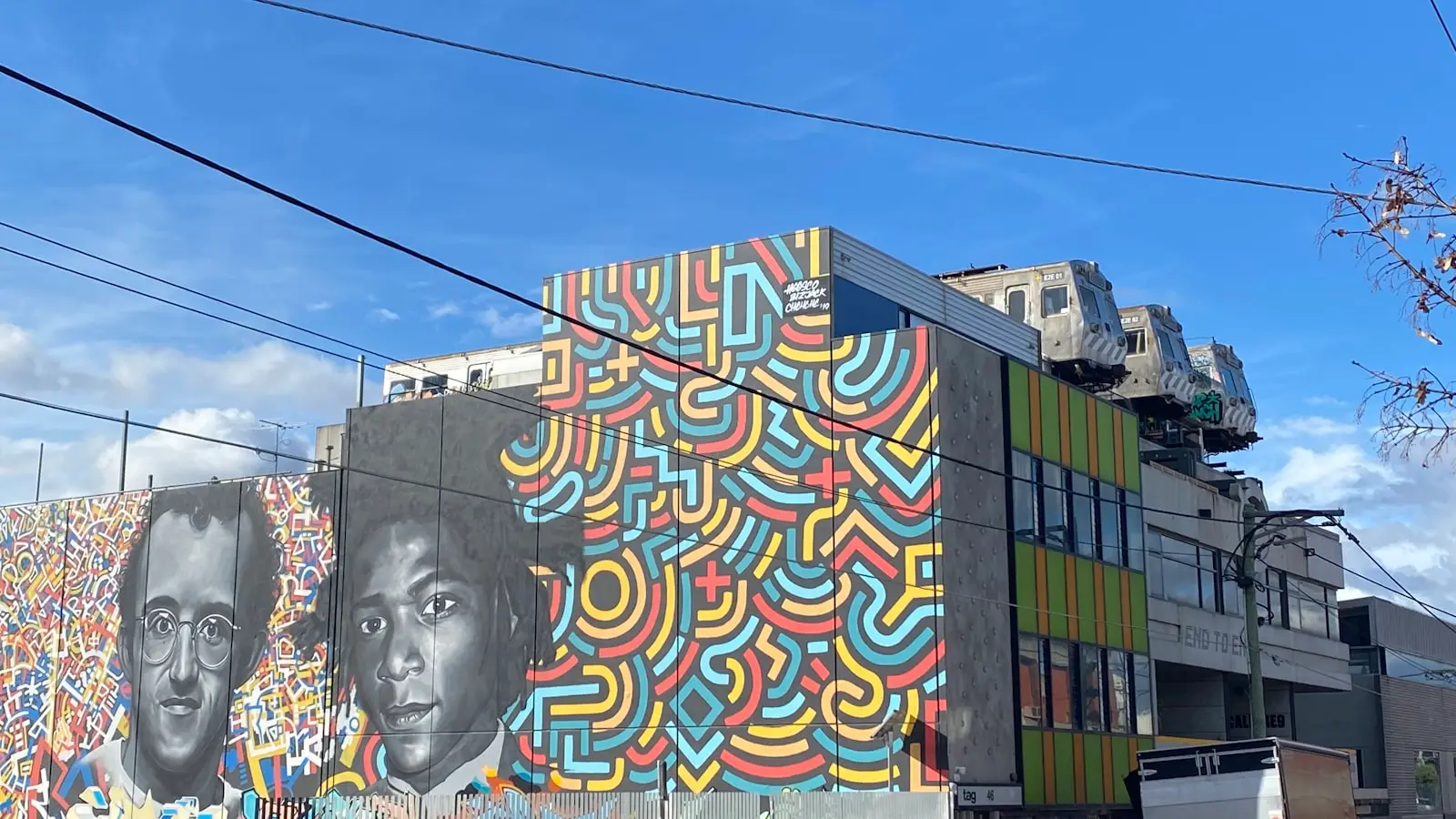
The Rise of Street Art as a Legitimate Art Form
Street art in Australia has transformed over the past two decades. What used to sit uncomfortably between vandalism and genuine creative expression is now woven into the country's cultural fabric. This didn't happen on its own. It required a shift in how people viewed the work, councils willing to take risks, advocates pushing the cause, and artists brave enough to demand recognition for what they were doing.
The real change started in the 1990s and early 2000s when Melbourne and Sydney began looking at street art in a new light. Instead of treating it purely as a problem, they saw the potential to revitalise neighbourhoods and attract visitors. Councils stopped just tolerating murals in designated spots and started commissioning established street artists for major public works. That single change shifted how the broader art world viewed street-based practice, opening up proper career paths for artists to move from unauthorised walls to recognised platforms without losing what made their work tick.
These days, Australian street artists command real respect. Major international art institutions put Australian urban artists on the same level as those working in Berlin, London, and New York. The pieces that started on laneways and building walls turned out to be far more substantial than surface decoration. They're conceptually sophisticated, technically demanding, and speak to community issues and social problems with genuine weight. That legitimacy has given artists real agency over their careers and audiences well beyond the walls where they began.
Melbourne's Laneways: Ground Zero of Australian Urban Art
Melbourne didn't become Australia's street art capital by accident. A number of things came together at the right time: smart cultural policy, active artist communities, and the physical setup of the CBD and inner suburbs like Fitzroy and Collingwood. The laneways were originally just shortcuts, but artists started using them as free, open exhibition spaces. Because the work constantly got painted over, artists had to stay sharp and keep pushing new ideas. That constant cycle of creation and erasure stopped anything from getting stale.
Artists such as TASER, Lister, and Meggs honed their craft in Melbourne's laneways before their work ended up in contemporary galleries worldwide. Local organisations helped too, documenting pieces and championing the medium seriously, which made it easier for artists to build actual careers. The city never tried to freeze-frame street art like precious museum objects. It accepted the form as something in perpetual motion while still archiving and recognising the best work.
The street art culture actually moved the needle economically. Councils made planning decisions around protecting the laneways as cultural assets instead of redeveloping them. Hosier Lane and Union Lane now pull thousands of visitors every year and function as proper artistic destinations. Melbourne's managed to set a template that other Australian cities have looked at, though the combination of artistic freedom, institutional support, and genuine community energy hasn't been easy for others to replicate.
Sydney's Evolution: From Graffiti Culture to Institutional Recognition
Sydney went down a different road with street art than Melbourne did, shaped by the city's layout and how its art world worked. Graffiti had been around for ages before anyone treated it seriously. Trains, walls, and bridges got covered in tags and pieces long before galleries or collectors cared. Because this underground scene had deep roots, Sydney's road to respectability meant dealing with decades of push and pull between writers and cops, between people who saw crime and people who saw art.
The real turning point came when major galleries started putting on shows by established Sydney writers and street artists. Exhibitions featuring JR Commuter, Sync, and others shifted how people saw the work, treating it as contemporary art. At the same time, development projects in places like Parramatta and Newtown brought artists, developers, and councils together as actual partners. Those projects proved street art could work for both artistic expression and urban renewal, breathing life back into struggling areas while giving artists proper commissions and decent money.
Sydney's public art policy keeps changing as councils cop to the artistic and economic value of street art. The city's hilly terrain and spread out neighbourhoods give artists plenty of big vertical walls perfect for serious murals that stack up against Melbourne's best. But Sydney does it differently, weaving street art into broader public art plans alongside sculpture, installations, and other contemporary work. That means street art isn't treated as a separate thing. It's just part of the normal contemporary art scene.
The Gallery Transition: How Street Artists Became Contemporary Art Darlings
Street artists moving into galleries has been one of the biggest shifts in contemporary art towards actually valuing diverse backgrounds. The traditional path used to be pretty rigid: art school, studio work, small shows, slow build over years. Street artists bypassed all that and gained visibility through public work and social media instead. Collectors and curators started taking street art seriously, realising that working in public spaces didn't make someone less skilled than their studio-bound counterparts. In fact, the practical demands of street work, tight timeframes, harsh conditions, and working in front of actual people often forced artists to develop stronger technical skills and more visually arresting work.
The best ones who made the jump to galleries never ditched what made them distinctive in the first place. Their gallery pieces kept the punch, bright colour palettes, and graphic sharpness that made their street work stand out. Rone, for instance, didn't just paint walls for galleries. He developed large-scale murals, immersive installations, and intellectually complex gallery shows that expanded his practice rather than replacing it. That consistency, keeping the same visual language whether on a wall or in a gallery space, connected with audiences and brought new people into contemporary art who might never have walked into a gallery otherwise.
Money is part of the story too. Street artists with gallery backing can now earn from sales, gallery commissions, mural work, licensing, publishing, and commercial projects. This variety of income streams actually lets them build sustainable careers in ways a gallery deal alone wouldn't. Plenty of Australia's top contemporary artists still do street work alongside their gallery shows. They know one doesn't diminish the other. Each setting brings different creative challenges and opportunities, and they feed into each other.
Regional Perspectives: Street Art Beyond the Major Cities
Melbourne and Sydney hog the spotlight, but regional cities like Brisbane, Perth, Adelaide, and Hobart have their own thriving street art scenes. Each city's got a different flavour, shaped by local history, the artists who live there, and the community's tastes. Brisbane's South Bank throws serious support behind street artists and urban creatives, making it a real contemporary art hub. Perth's out on its own geographically, which has meant local artists have developed their own visual style, drawing from the city's light, landscape, and the mix of communities.
Adelaide punches above its weight with a strong independent art scene and artist-run spaces that blend street-based and public art into their work. Being smaller and having an arts council that actually backs people has let neighbourhoods build their own artistic character, with street art working as both visual statement and community glue. Hobart's tiny compared to the capitals, yet it's carved out a proper contemporary art scene with street art doing the heavy lifting in attracting both artists and visitors. These regional cities aren't just knockoffs of Sydney and Melbourne. They're proper artistic ecosystems in their own right, and they stop Australian art from getting too locked into the big smoke.
Small towns and regional areas beyond the state capitals now get decent public murals and street art commissions, usually supporting local talent or bringing in established artists for stints. This matters because it means artists can actually build a living outside the major cities. Street art also does important work in communities that don't have much cultural infrastructure otherwise, giving places a sense of identity and making them feel a bit more alive.
Social Commentary and Indigenous Perspectives in Australian Street Art
Street art works best when it speaks plainly about what matters. Australian street artists tackle climate change, politics, Indigenous rights, migration, and urban inequality head on. What gives street art its edge is that it reaches people directly, without the filter of a gallery wall between the work and the audience. A painting that might sound preachy inside a museum hits different on the side of a building where people walk past it every day, thinking about rent and jobs and their kids' futures. That's where these conversations actually live.
Indigenous Australian artists and those working with Indigenous themes have increasingly turned to street art as a tool for cultural expression and activism. For a long time, galleries and art institutions kept Aboriginal and Torres Strait Islander perspectives at arm's length. Street art changes that equation by taking those narratives out onto public walls and into public conversation. Artists combining Indigenous cultural practice with contemporary street art prove these things don't have to sit in separate boxes. You can honour specific cultural protocols while also speaking to a broad audience through street art's visual language and public reach. The work that comes from that intersection carries real power.
Museums and art institutions have started taking street art seriously on its own terms, not just as a side attraction. Australian galleries now run exhibitions that dig into the political side of street art or focus specifically on Indigenous street artists. This recognition matters because it validates what street artists already knew: that making urgent visual statements for the general public counts as legitimate artistic practice. It also opens up better conversations about what street art's got to do with broader contemporary art, particularly around questions of who gets to participate, what activism looks like, and how power in the art world actually works.
Getting into Street Art: Prints, Canvas, and Different Sizes
Street artists these days aren't just making murals. A lot of them produce limited edition prints, canvas works, and smaller pieces aimed squarely at collectors. You can grab something without dropping cash on a full mural commission. Most galleries that work with street artists stock this stuff, so there are plenty of ways to get started. When you're looking at a piece, judge it the same way you would any other contemporary art. Look at the technical chops, the ideas behind it, whether the artist matters in the broader picture, and if it actually speaks to you. Don't buy something just because it's street art. Make sure the work itself is actually good.
Wall-based street art comes with its own headaches for collectors. A mural stays where it is, and it can get painted over, removed, or damaged. If you're keen on a particular piece, you can hire the artist to paint something new, which puts money in their pocket and improves the neighbourhood at the same time. If that's not realistic, a decent photo of the work does the job as a record. These days, galleries working with street artists often represent them across different mediums, so collectors can engage with their work in ways that suit their situation and budget.
Getting to know gallerists who represent street artists opens doors to new work, upcoming shows, and a better understanding of how the artists operate. Prices for established street artists have shot up over the past decade because the art world and commercial spaces have started taking the medium seriously. Like other contemporary art, value comes down to several things: how much respect the artist has earned, the quality of the work, where it came from, how rare it is, and what's happening in the market. Treat street art purchases the same way you'd treat any other significant art buy. Do the research, think it through carefully, and see them as proper cultural investments, not quick flips.
The Future of Street Art in Australia: Opportunities and Challenges
Australian street art keeps shifting, and there's genuinely good work happening alongside real problems. International collectors and galleries keep buying contemporary street art, and Australian artists are getting noticed way beyond their local scenes. But there's genuine worry about how to preserve these works, record them properly, and figure out where street art fits with museums and official art institutions. As the stuff gets more accepted and profitable, artists face a real tension: stay true to what they're doing or cash in on commercial interest without losing credibility. Smart artists find ways to stay in control while also taking advantage of galleries and commercial deals to actually make a living from their work.
Technology's a double-edged sword for street art. Social media and digital cameras let artists build followers around the world and score international gigs without needing gallery owners or curators as middlemen. Problem is, everything online feels disposable even when the actual art's been painted on a wall to last years. NFTs, augmented reality, virtual reality stuff, all that does open up new creative options and ways to make money. Whether any of it's genuinely good art is something people still argue about a lot. As these tech tools keep improving, Australian street artists will probably figure out how to add them to what they're already doing instead of just ditching paint for pixels.
Major Australian galleries and museums are now taking street art and urban creativity seriously. That gives these artists some real credibility and easier access to exhibitions, though some people worry it waters down the whole thing or that only certain approved stories get recorded as art history. The younger generation coming through, shaped by global contemporary art and internet culture, makes work that doesn't fit neatly into any box. The stuff that actually matters now sits somewhere in the middle: it's on walls and in galleries, digital and physical, straight-up political and also formally experimental. That's where Australian street art's heading: it refuses to pick a side.
Getting into Street Art: Walking Tours, Galleries and Self-Directed Exploration
You can experience Australian street art in different ways depending on what suits you. Street art walking tours in major cities, usually run by artists or people who know the work well, give you background and explanations you won't get on your own. They break down why artists made certain choices, how they did the work, and what the ideas behind it are. If you prefer to wander by yourself, there are plenty of precincts worth checking out: Melbourne's laneways, Sydney's inner-west, Brisbane's South Bank, and Hobart all have strong street art scenes. Going solo means you stumble onto pieces at your own pace and make up your own mind about what they mean.
Galleries give you another angle on the artists doing street work. You get to see what else they do beyond murals and public pieces, across different sizes and materials. Following an artist's work over time, watching how they move between street and gallery spaces, and seeing how they pick up new techniques and tools, teaches you a lot about art today. Plenty of them post regularly on social media and open their studios, so you can watch how they actually create. People who really collect this stuff often build relationships with galleries and artists, getting first look at new work before the rest of the world catches on.
{"text":"If you're not near a major city, there's plenty of documentation out there through books, online collections, and curatorial projects that archive and explain important pieces. These resources are good for learning and getting exposure to work without leaving home. But honestly, seeing a large piece in person, taking in its scale and how it sits in the actual street around it, beats anything else. Walking around looking, visiting galleries, and doing research online all open up Australian street art in different ways, and it really rewards paying attention to what's out there."}.