
Art & Culture
Seascape and Coastal Art: Capturing the Australian Shore
1 June 2026
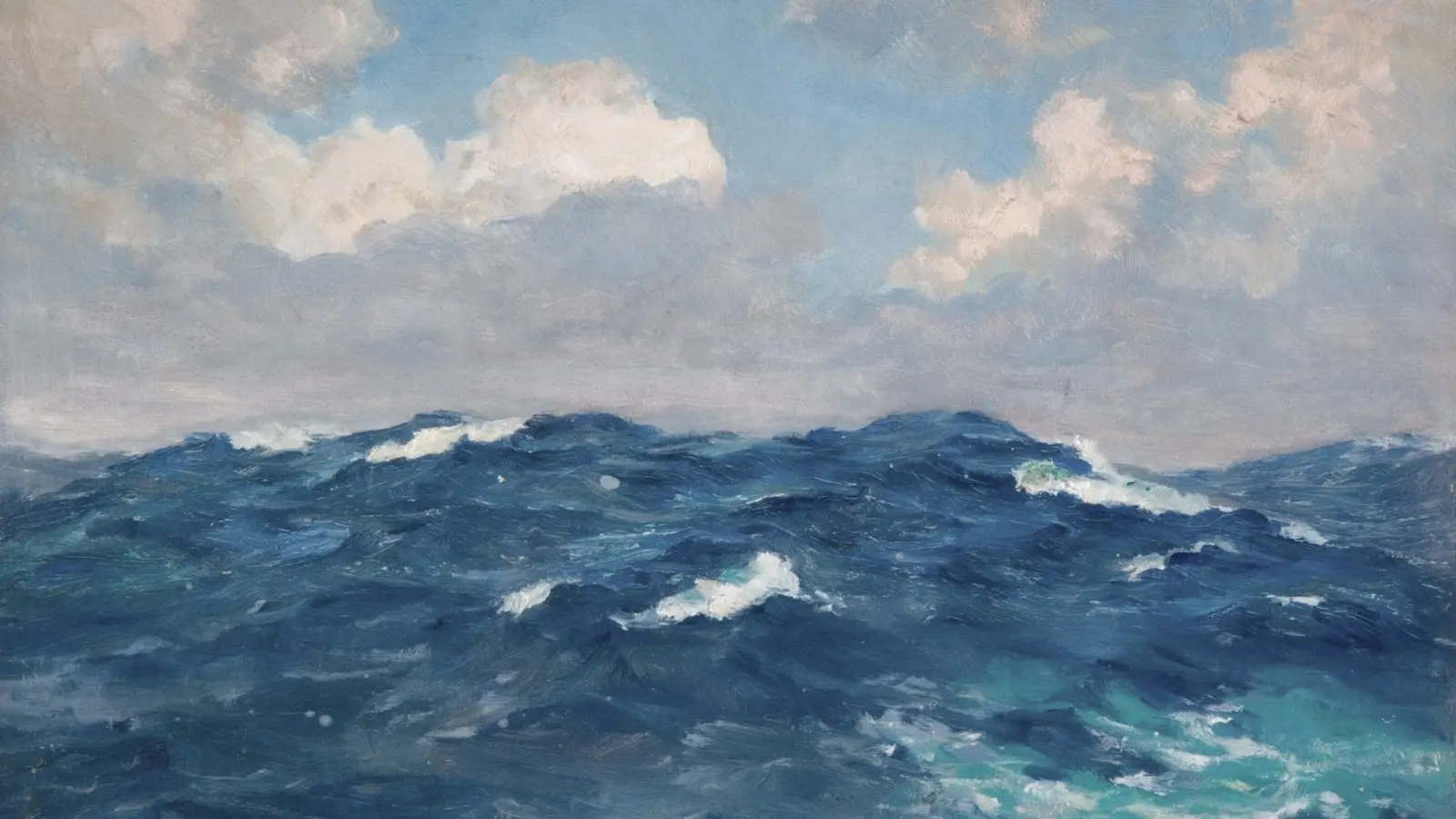
The Enduring Romance of Australian Coastal Art
Australia's coastline is woven into the nation's cultural identity and the lived experience of anyone who's spent time by the water. Artists have been drawn to the sea for centuries, from early European settlers documenting their first glimpse of unfamiliar waters to contemporary painters grappling with climate anxiety and rapid change. Seascape and coastal art rank among the most commercially successful and emotionally powerful categories in Australian galleries today, yet they remain endlessly varied in their approaches, philosophies, and technical methods.
What makes Australian coastal art distinct is the particular light here, the character of our own beaches, and the specific cultural weight our shores carry. Unlike Britain's dramatic cliffs or the Mediterranean's layers of history, the Australian coast offers a starker kind of beauty, shaped by ancient geology, intense sunlight, and the meeting of different ocean currents. Artists working here have to respond to these specifics: the particular blues and greens of the Tasman Sea, the golden light on the Ningaloo Reef, the rough character of Bass Strait. This geographical distinctiveness has created a strong artistic tradition that collectors, curators, and art lovers continue to find rewarding.
{"text":"Australian coastal art represents some of our most compelling contemporary work. This guide explores the movements, techniques, key artists, and regional differences that shape this field. You'll discover why collectors, gallery enthusiasts, and those who love ocean imagery find themselves drawn to this vibrant area of artistic expression."}.
How Australian seascape painting evolved from colonial records to modern abstraction
When Europeans settled Australia, artists started painting coastal scenes, but what they did with those scenes changed radically over the next two centuries. Arthur Streeton and Tom Roberts treated cliffs and water almost like discoveries, using European methods but having to figure out how to show antipodean light. They were mapping unfamiliar country, learning as they went. By the late 1800s, the Heidelberg School artists worked differently. They got serious about observing directly and understanding how light actually worked in Australian conditions, and that became the foundation for how local artists painted seascapes from then on.
After 1945, abstraction opened up new ways of thinking about coasts. Instead of painting what things looked like, artists started using colour, mark-making, and composition to capture the feeling of being near the ocean. American and European abstract movements had an influence, but Australian artists adapted these ideas through their own relationship with light and space. They developed their own language: simplified forms, strong colour blocks, arrangements that suggested the experience of a shoreline rather than spelling it out. This let coastal art say different things than it could before.
The reason any of this matters is that it shapes what contemporary artists are doing now. Some extend those precedents, others deliberately turn away from them toward photography, video, or conceptual work. When you know where it comes from, you understand why an artist makes the choices they do, and what conversation their work is having with the past.
Regional Variations: Australia's Diverse Coastlines and Artistic Responses
Australia's coastline stretches over 25,000 kilometres with serious differences between regions. Tasmania and Victoria have temperate shores, New South Wales offers varied coastlines, Queensland brings tropical waters, and Western Australia and South Australia face the Indian Ocean across thousands of kilometres. These geographical differences have spawned very different artistic traditions. An artist working near Sydney Harbour deals with completely different subject matter and approach than someone working along the Pilbara beaches of Western Australia.
Sydney and the New South Wales coast have shaped how most people think about coastal art in Australia, largely because Sydney's the cultural hub but also because places like Bondi, the Blue Mountains' edge, and the Hawkesbury River just grab attention. You'll find seascape work everywhere in Sydney, from big institutions to smaller galleries in Paddington and the inner west. The work tends to wrestle with leisure, urbanisation, and the beach as this weird mix of wild and domestic space. Victoria's artists face different conditions entirely: cooler light, rocky headlands, and a more exposed ocean. The Dandenong Ranges have birthed a lot of landscape painters over the years, plenty of them engaging with coastal themes as part of their broader work on the region's dramatic topography.
Western Australia's artists have built their own distinctive style when it comes to painting coastlines, shaped by how immense and isolated so much of the coast actually is. The Indian Ocean's character, those vast empty stretches, intense colours, and that real sense of remoteness, all crop up again and again in work from Perth and regional WA. Queensland's tropical coasts have pushed artists towards warmer colours, different light and atmosphere, and the specific issues that come with coral reefs and island communities. Tasmania's rough southern coast and its particular quality of light have produced some genuinely distinctive seascape work. Looking at these regional differences shows that artists aren't just working with different aesthetics but thinking about coastal art in fundamentally different ways.
Techniques and Media: Paint, Print, Photography, and Beyond
Australian coastal artists these days work across a massive range of techniques and media. You'll find everything from traditional oil painting to digital work, huge prints and installations that respond to what it actually feels like standing at the shore. Knowing how different techniques work helps you understand what individual artists are doing and why certain pieces stick with you. Oil painting's still popular because you can do so much with colour and texture, which makes it really good for showing how light moves across water. Watercolour attracts artists who like its spontaneity and its history tied to landscape painting, though plenty of contemporary artists are pushing it in new directions while still respecting where it comes from.
Printmaking has become a major medium in Australian coastal art. Screen printing, etching, and lithography all have their own strengths that appeal to different artists and collectors. Prints sit in an odd spot between fine art and accessibility because you can make editions or singular pieces. The actual physical side of printmaking matters here: the way materials push back, how you layer colour, the fact you're working backwards, all of that creates particular visual qualities people find really compelling. Photography and digital media have changed contemporary coastal art quite a bit. Some artists use photography to develop ideas for paintings, while others use it as their main medium, exploring representation, abstraction, and what the camera does with light and colour in its own way.
Installation and site-specific works make up another important part of what's happening in coastal art right now. Some artists make pieces for specific locations, dealing with questions about environment, materials, and how things don't last. These might use natural materials like sand, driftwood, or seaweed, or take a more conceptual angle that makes you think differently about places you thought you knew. Getting to know the full range of media and techniques helps you understand how wide contemporary practice really is and see that coastal art goes way beyond traditional representational painting.
Key Contemporary Australian Coastal Artists
There's a solid crew of established and emerging artists working on Australian coastal themes right now, and they're doing genuinely interesting stuff. You've got people making deeply personal work about place, others tackling environmental questions head-on. Some paint with bold, loose brushwork; others do meticulous detail. Some celebrate the landscape itself; others focus on what humans have left behind, broken things, signs of damage. It's a broad field and hard to cover everything, but certain artists stand out because of how singular their approach is and how much conviction sits behind their work. Collectors and people serious about looking at art should pay attention.
The market for coastal art swings depending on who represents an artist, their show history, and what critics say. Artists with decades behind them and solid gallery backing can ask more money and pull in serious buyers. Emerging artists with fresh ideas often give you better value if you're trying to collect smart. Geography matters too. An artist might have really strong support from galleries in their home city but be barely known elsewhere, yet still be making work worth hunting down. Online galleries have changed things a lot in recent years, connecting artists with people outside their local area and making it easier to sell and get noticed. That's made the whole thing a bit more level.
Start by going regional if you want to build a collection or learn more. Visit the galleries in Sydney, Melbourne, Brisbane, Perth, Adelaide, and Hobart. Check out what gallery spaces are doing. Hit art fairs and the coastal art festivals where younger artists usually exhibit. The more different artists you see and the more approaches you see them taking, the better you'll know what actually grabs you. That's when you can make smarter decisions about what matters to you and what's worth spending real money on.
Collecting Coastal Art: Investment, Appreciation, and Building a Collection
Most people start collecting coastal art because something just hits them right. A painting catches the light exactly like a beach they love, or a photo makes a familiar strip of coast look completely different. That emotional pull matters and shouldn't get buried under money talk. But it's smart to understand the practical side of collecting too. Get into the habit of visiting galleries, checking out openings when you can, and spending real time with the work that grabs you. Pay attention to which artists keep pulling you back. Notice if you're hunting out more pieces by certain people.
{"text":"Building a decent collection takes time and patience. Don't rush into buying because someone told you to, and don't decide based on hype. Get better at looking at things by actually looking at them regularly and comparing different pieces. Think about the physical space you've got. Work out if you want to focus on a few artists or cast a wider net. Consider which coastal regions or landscapes mean something to you. Starting with smaller works on paper or canvas is often smart for new collectors. They won't cost as much as big paintings but they can still be by serious artists. Prints and photos can be just as satisfying and sometimes offer better value than paintings."}.
When you're buying, find galleries that know what they're doing and treat artists fairly. Ask about an artist's shows, how critics have responded, and where they're going artistically. Get the details: find out the provenance if it matters, check the documentation, and get proper conservation advice for the medium. Don't stick to the big dealers in Sydney. Regional galleries often have excellent artists working at more reasonable prices than you'll find in the city. The collections people end up loving most were built by folks who actually knew their stuff and cared about the work, not just people trying to pile up expensive things.
Contemporary Concerns: Environment, Climate, and the Future of Coastal Art
You can't make coastal art in 2024 without bumping up against environmental reality. Climate change, ocean acidification, plastic pollution, rising sea levels, these are the conditions artists work within now. Some artists tackle these issues head-on, making work about environmental damage and loss. Others circle around them differently, focusing on how fast things fade or what it means when things change. The best work sidesteps the trap of just messaging about the environment. It asks hard questions instead of offering tidy answers. This turns contemporary coastal art from something you appreciate for how it looks into something that gets at real ecological and social problems.
Indigenous artists and non-Indigenous artists working from Indigenous perspectives have fundamentally changed how Australian coastal art works. Once someone recognises that Australia's coasts carry thousands of years of Indigenous cultural meaning, that they're places of story and ceremony and ongoing cultural life, everything shifts. This is a marked change from the colonial thing of treating the landscape as empty and new. These days you see Indigenous perspectives on coastal landscapes in galleries, which lets people understand these places on different terms and grasp how Indigenous relationships with country keep going. This matters both artistically and culturally. It's about acknowledging whose knowledge and whose connection to these places actually counts.
Coastal art will probably keep changing as the environment shifts, as technology opens up new possibilities, and as what people care about culturally moves. The work getting made right now, by artists paying close attention to where we are, is basically documenting how Australians see and connect with our extraordinary coastlines. Through traditional methods or experimental ones, through environmental concerns or aesthetic questions, this art has weight. Collecting and supporting it means joining the bigger conversation about what the Australian shore means as we head into an uncertain environmental future.
Practical Guide: Where to See Coastal Art in Australia
You'll find coastal art all over Australia if you know where to look. The major public galleries like the Art Gallery of New South Wales, the National Gallery of Victoria, and the Art Gallery of South Australia have solid collections of seascape and landscape painting from colonial times through to now. They regularly run exhibitions about coastal themes, and their permanent collections show you how people have painted the coast differently across different eras. Most of these places put out proper catalogues too, with essays and good quality images, which help if you want to understand the work better.
The city galleries are pretty thick on the ground, especially in Sydney. Paddington's got established dealers while the inner west has experimental spaces, and both show coastal work regularly. Melbourne, Brisbane, Perth, and Adelaide all have active gallery scenes with coastal stuff. Then there's the regions. Byron Bay, Margaret River, and Tasmania have communities of artists and galleries showing local work, which often has a real regional flavour to it. Artist-run spaces and smaller independent galleries aren't afraid to take chances on emerging artists and experimental stuff, so you'll find new work alongside established names.
Outside the gallery system there's heaps more to explore. Public museums, university art collections, regional art centres, and artist-led projects all show coastal art. Coastal art festivals, artist open studios during regional art trails, and online platforms selling work from independent galleries and artists give you more ways in. It's worth moving beyond just the big galleries if you want to find interesting work and get a fuller picture of what's actually happening in Australian coastal art right now.
Why coastal art still matters to Australians
Coastal art sticks around in Australian homes and galleries because it taps into something real about how we relate to the land and sea. The coast means different things at once: possibility and beauty, danger and loss. It's where the world we know ends and something infinite begins. Since our whole identity as a nation is wrapped up in our coastline and maritime culture, art that explores this space hits hard. Whether it's painted in traditional ways or made through experimental methods, whether it's directly tackling environmental issues or just asking aesthetic questions, coastal art gives us a way to think about who we are and what actually matters to us.
Australian coastal art keeps growing and changing, and there's real stuff happening. Collectors and gallery regulars have access to work that's genuinely inventive and well-made. The gallery and institutional network is diverse and open to new ideas. Information and images are easier to find than they've ever been. You can come to coastal art for all sorts of reasons: an emotional response, wanting to understand it better, thinking of it as an investment, or simply liking having beautiful pictures on your wall. Any way you approach it, there's a lot to discover.
The key is starting with what actually interests you. Go to galleries without any fixed idea about what you should like. Look at work that grabs you and spend time with it. Read about the artists, follow people making work now on social media, show up to openings. Talk to gallerists and other people who collect. Most of all, pay attention to your own eye and what you genuinely respond to. Real engagement with art comes from that honest connection, not from what other people reckon. It comes from finding work that speaks to you across time and distance, that makes you ask questions you hadn't thought of, that makes familiar things look new. Australian coastal art gives you plenty of chances for that kind of real encounter.