
Art & Culture
Sculpture in Australia: From Studio to Gallery
1 June 2026
The Evolution of Australian Sculpture
Australian sculpture has shifted substantially over the past hundred years, moving with changes in artistic thinking, new materials, and how artists understood their place culturally. Since colonial times, sculptors across this vast continent have grappled with real constraints. The light here is different, the rock formations unusual, and there was the question of how European art traditions actually worked within an emerging Australian sensibility. By mid-century, Henry Moore's pieces had an impact on sculptors in Melbourne and Sydney, yet Australian artists were already forging their own path by working closely with local materials and the land around them.
The 1960s and 70s marked a real turning point. Sculptors moved away from realistic forms into abstraction and minimalism, making work that responded to specific places rather than ignoring them. Bert Flugel and Lyndon Dadswell were among those asking what sculpture could actually be, putting together pieces that spoke to their surroundings. This era brought outdoor sculpture parks and open-air exhibitions, something distinctly Australian that opened contemporary three-dimensional art up to wider audiences. Inland cities like Canberra and Adelaide built their own sculptural traditions, with local galleries backing their artists and sustaining communities that held for decades.
Understanding the Studio Practice
A sculptor's studio isn't just a workshop. It's where artists push materials to their limits, experimenting and failing their way to something that works. Stone, metal, wood, synthetics, each one behaves differently and suggests different possibilities. Australian sculptors tend to work across multiple mediums out of necessity and curiosity. You'll find large-scale studios in Melbourne's old industrial zones where the rent's cheaper and ceiling heights are generous. Places like Byron Bay and the Adelaide Hills have developed looser creative clusters where artists share space and ideas. Social media now lets people watch work happen in real time, which is something you'd never get wandering through a gallery opening.
What's distinctive about how Australian artists approach their studios today is mixing practical constraints with serious conceptual work. Plenty of them deliberately build with salvaged or locally sourced materials, not just to save money, but because the material itself carries stories about place, sustainability, and how we use resources. Shifting a tonne of marble from a country workshop to a Sydney gallery involves engineering, permits, insurance, and months of planning. That invisible infrastructure shapes which works can even exist, what they're physically capable of, and how they'll eventually sit in a space. More artists are now documenting their process, and galleries are starting to display behind-the-scenes material that actually shows the labour involved in making sculpture rather than hiding it away.
Major Australian Galleries and Sculpture Collections
Australia's major art institutions house substantial sculpture collections that trace the medium's evolution over time. The National Gallery of Australia in Canberra holds pieces by Indigenous Australian sculptors alongside modernist and contemporary work from around the world, all recognised internationally. Melbourne's galleries, particularly the National Gallery of Victoria, have invested significantly in three-dimensional works that feature prominently in exhibitions. Sydney's Art Gallery of NSW is especially strong in twentieth-century and contemporary Australian sculpture, and the city's other museums give sculpture a key place in their collections.
Regional galleries play an important role too. The Geelong Gallery, the Art Gallery of South Australia and venues across Queensland have built their own collections, often focusing on local artists and commissioning site-specific pieces. For emerging sculptors, these smaller institutions can offer real support in a market dominated by the bigger eastern cities. Many also run outdoor sculpture parks, which serve as both public gathering spots and places to experiment with new work. Looking after sculpture collections is more demanding than managing paintings or photographs. Three-dimensional works need particular storage, conservation treatment and display methods, and Australia's unpredictable weather makes it especially tricky to preserve materials and keep outdoor pieces in good condition.
The Role of Public and Civic Sculpture
Public sculpture matters quite a bit in Australian culture, doing several jobs at once. It can commemorate someone or something, it looks good, and it shapes how communities see themselves. Walk around Sydney or Melbourne and you'll spot sculptures you've seen before, sitting in spaces people use regularly, often causing a stoush about memory, representation and what art's supposed to do in public. There's been a real shift away from statues of historical figures toward stranger, more experimental stuff that lets people interact with the work. Ideas about whose stories belong in public space have changed too. These days, councils and arts groups tend to involve the community when they're planning new pieces, trying to make sure the work hits differently for different people.
Councils and development authorities around Australia chuck sculpture into public projects pretty routinely now, reckoning decent artworks make spaces better and help communities bond. For young sculptors, this opens doors, though actually getting a public commission is tough and needs a bit of networking and a portfolio of work that's already landed. Some councils have sorted themselves out with permanent sculpture programs and money set aside, making it clearer for artists to get major works done. There's also been a shift toward thinking about how sculptures age. Some artists are picking materials and designs specifically so the work changes visibly as it weathers in the Australian sun and rain, basically making time part of the art itself.
Material Innovation and Contemporary Practice
Australian sculptors today are having a go at all sorts of materials and methods that shift what sculpture actually is. Bronze and stone still get used, sure, but plenty of artists are now working with glass, ceramics, recycled plastics, textiles and digital tools to make three-dimensional pieces that stretch the boundaries. Some of this comes down to what artists want to say. If you're dealing with environmental damage or cultural mixing, weird materials often fit the job better. But there's also practical stuff going on. Australian makers are getting smarter at working with different substances, and tools like 3D printers and CNC machines have made certain kinds of production easier to access. That said, plenty of artists still reckon there's nothing quite like the hands-on feel of traditional carving and modelling.
A lot of the most interesting contemporary sculpture happening here involves mixing Indigenous material knowledge with modern artistic practice. Aboriginal artists have brought traditional methods back to life while jumping into current artistic conversations, making work that operates across cultural, political and aesthetic registers at once. This kind of cross-cultural artistic exchange has made the whole sculptural field richer and has forced people to question colonial ideas about what counts as art. Materials themselves have become a real concern too. Artists are salvaging timber from demolished buildings, recovering metals from old industrial sites, or using renewable stuff. These choices aren't just about how something looks. They usually carry ethical and political beliefs built right into the material, so the sculpture ends up saying something beyond pure aesthetics.
Getting Sculpture from Studio to Gallery
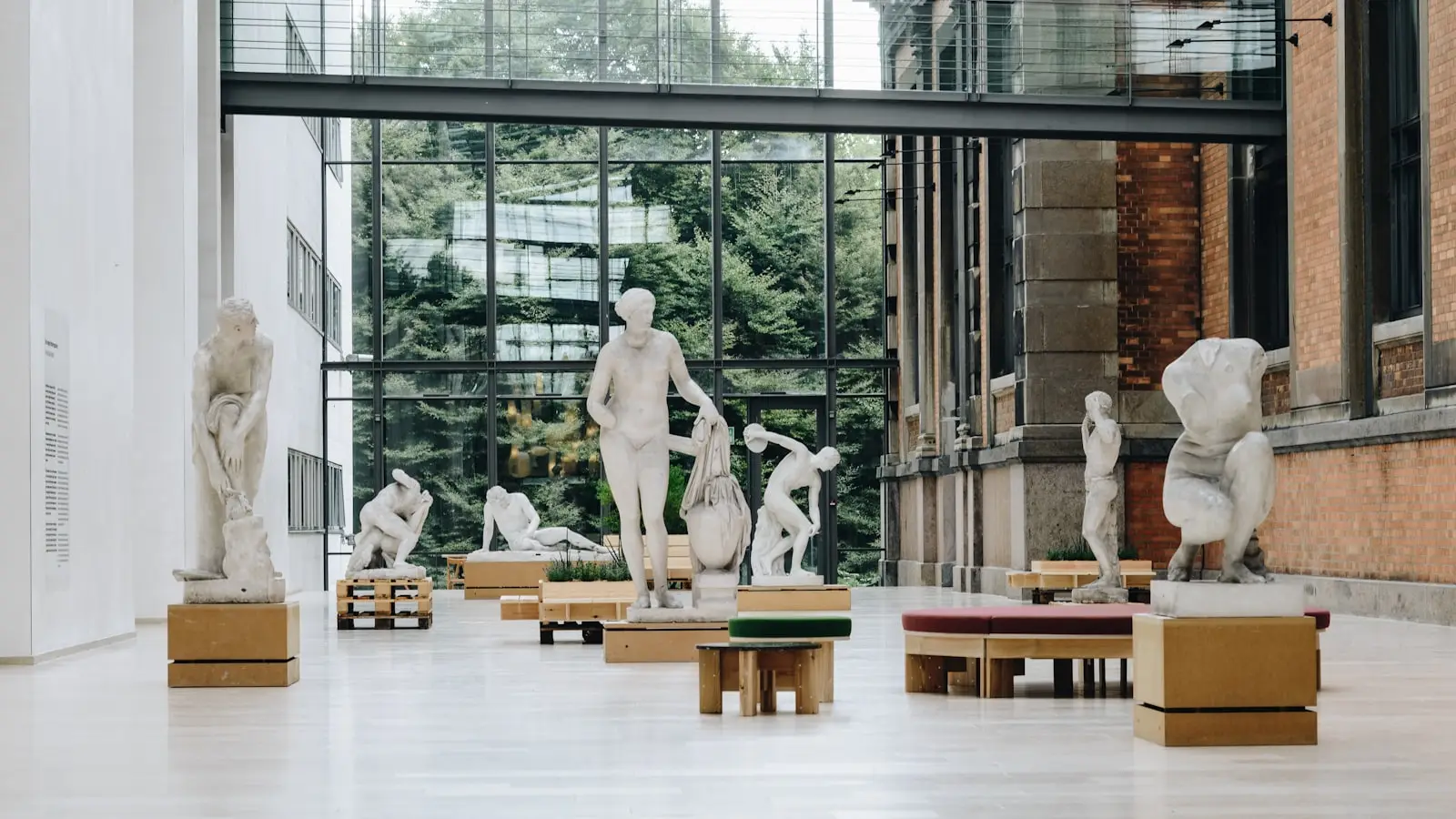
Getting a sculpture from the studio to a gallery means making a lot of curatorial calls that affect how people see and make sense of the work. Curators of three-dimensional art have to think about sight lines, how the piece sits in relation to surrounding space, lighting, and how viewers will move around it. These issues don't really come up when you're hanging paintings or photographs. The scale of a sculpture in a gallery, the materials visible from different angles, the light hitting the surfaces: all of this gets carefully thought through and usually tested before installation. A tall brutalist gallery with high ceilings works completely differently for monumental works than a smaller contemporary space with lower ceilings and a tighter layout. Australian galleries are putting more money into decent display infrastructure these days, from custom lighting to climate-controlled storage, because they've figured out that proper presentation makes a real difference to how people experience the work.
A lot of contemporary exhibitions now come with substantial catalogue essays and gallery texts that put sculptural works in their artistic and material contexts, or link them to broader themes. This written stuff matters especially for sculpture, which can be pretty opaque to viewers who don't know an artist's work or what they're trying to do. Some galleries run guided tours or workshops that get people moving around sculptures, viewing them from different positions, and understanding the labour and thinking that went into them. Photography and video documentation has also become more sophisticated. Galleries now recognise that catalogue images and social media posts can either clarify or muddy how people understand physical works. Good ones document works from multiple angles and in different lighting, accepting that you can't capture a sculpture's three-dimensionality in just one photograph.
Supporting Emerging Sculptors: Residencies, Commissions and Grants
Australia's got various ways to fund sculptural practice, though opportunities are spread pretty unevenly across regions and different art forms. Artist residencies like Bundanon in rural areas and urban spaces give sculptors time and room to work on large-scale pieces they'd struggle to make in a permanent studio. State arts councils and philanthropic organisations hand out sculptural commissions that let artists pull off ambitious projects when material and labour costs would otherwise sink them. The Australia Council for the Arts and state funding bodies run grant programs for visual artists, but getting in is tough, success rates are low, and you need serious professional skills just to apply.
Beyond the government stuff, emerging sculptors usually juggle commission work, teaching, arts administration and commercial design to keep going. Some galleries run mentorship programs pairing up experienced sculptors with newcomers, sharing knowledge and helping younger artists work out how to function in the art world. Biennales, large group shows and artist-run spaces matter too for showing work and getting peer support, especially for sculptors working alone in regional studios. The internet's opened some doors as well. Artists post their work online, build networks through social media and land commissions or shows based on having a digital presence. There's a real tension here though. Sculptural work is physical and site-specific, which doesn't translate well to screens, and nothing beats standing in front of an actual three-dimensional work in space rather than looking at it on a computer.
Collecting Sculpture: Guidance for Collectors and Enthusiasts
Buying sculpture involves different thinking than buying paintings or prints. You need to consider scale, how materials hold up over time, what the local climate will do to them, and where you'll actually put the thing. Before you commit, check if you've got decent space indoors or outside, and whether your place suits the work. A marble piece demands completely different handling than bronze or steel, and Australian weather varies wildly from region to region, which matters a lot for how materials survive. Meeting artists in their studios and talking through your plans gives you a proper sense of how sculpture works and lets you commission pieces that fit your spaces. Galleries focused on sculpture can also point you toward genuine expertise on condition, provenance and how to look after things properly.
Learning how an artist thinks and works across their pieces makes collecting genuinely richer. Real collectors hit exhibitions regularly, track artists across their work, and read what critics say about contemporary sculpture. The Australian sculpture market isn't as developed as overseas ones, so prices tend to be more reasonable, though serious artists' pieces do keep climbing in value. Think about conservation and insurance before buying; if a work needs tricky upkeep or unusual display, that's worth factoring in. Provenance paperwork, artist statements and studio photos all matter for resale. Most of all, being present with the physical work, walking around it, and experiencing how it sits in space should be your guide. Buying sculpture purely to flip it usually ends badly, but collecting work that actually moves you tends to reward you in ways that go beyond money.
The Future of Australian Sculpture
Australian sculpture faces a mix of real opportunities and genuine challenges. Younger sculptors now come from all sorts of backgrounds, pulling in influences from around the world while still working with Australian materials and ideas that matter here. Climate change, new technologies, and questions about representation are pushing contemporary sculpture to feel more urgent and connected to now. 3D printing and virtual reality tools are changing how sculptors work and document what they make, which opens up new possibilities but also gets people thinking hard about what authenticity means, whether materials matter, and what we value about hands-on craft. Art schools still turn out sculpture graduates, but money's tight and job prospects are sketchy, so there's real pressure on whether sculptural practice can actually sustain itself long term.
Australian sculptors are now showing their work on the world stage, taking their particular approach to materials and aesthetics to international audiences. At the same time, sculptors here are learning from international traditions coming into local studios, which is making the conversation richer. Public spending on sculpture through council art schemes, public commissions, and gallery purchases looks likely to keep growing, which means more chance for sculptors to pull off ambitious projects. More attention to environmental sustainability and Indigenous perspectives will keep shaping how artists choose their materials, pushing them towards more ethical and ecologically sound decisions. In the end, what matters about sculpture is that it's physical and spatial, it creates real encounters between bodies and objects in shared space, and that kind of thing won't lose its cultural importance no matter what happens with other art forms. Australian sculpture's future hinges on whether the next generation will take risks with materials, genuinely learn from what's come before, and think hard about what three-dimensional art can do for culture going forward.