
Collecting
Printmaking and Works on Paper: An Accessible Entry Point
1 June 2026
Why Printmaking Deserves Your Attention
Printmaking's got this curious thing going on where it feels both old and brand new, straightforward but surprisingly tricky to do well. When most people think art, they picture paintings or sculptures. But prints and works on paper have been shaping how artists talk to each other for hundreds of years. Japanese woodblock traditions had enormous influence. German Expressionists grabbed the medium to pour out raw, unfiltered feeling. Here in Australia, it's really taken off over the past twenty years, with artists pulling from everything from traditional lithography to new digital printing techniques.
Here's what sets printmaking apart: you can make multiples from it. A painting is typically just one piece. A print comes from a matrix, maybe a carved block, an etched plate, or a silk screen, and you can run off as many as you want. That fundamentally reshapes how art functions. You can get serious, gallery-quality work at reasonable prices without needing deep pockets. You're paying for the artist's thinking and their hands-on skill, not for the artificial scarcity you'd pay for in a unique painting.
Australian artists are doing clever things with printmaking right now. Screenprints tackle Indigenous representation and political ideas. Detailed intaglio pieces go digging into personal memory. Local printmakers are pushing the medium in directions that feel sharp and alive, not like something from a museum's back cupboard.
Understanding the Major Printmaking Techniques
Relief printing, linocut and woodcut included, works by carving material away from a block so the raised bits catch the ink. Once you've made a mistake, it stays there forever, and plenty of artists like that constraint. Woodcut has deep roots in Australian art. Indigenous artists have used it to record stories about Country and culture, honouring both traditional knowledge and contemporary practice at the same time.
Intaglio (etching, engraving, aquatint) does the reverse. You cut the image into a metal plate, usually copper or steel, and the grooves hold the ink. This produces work with incredible tonal range and sharp detail. An etched line can be hair-thin or boldly expressive depending on what you're after. Many Australian printmakers working in intaglio draw from the Australian landscape, the movement of light through the bush, the geological complexity of rock and terrain. Because the work demands technical precision, it rewards close looking. Collectors often find themselves going back to the same print, noticing something different each time.
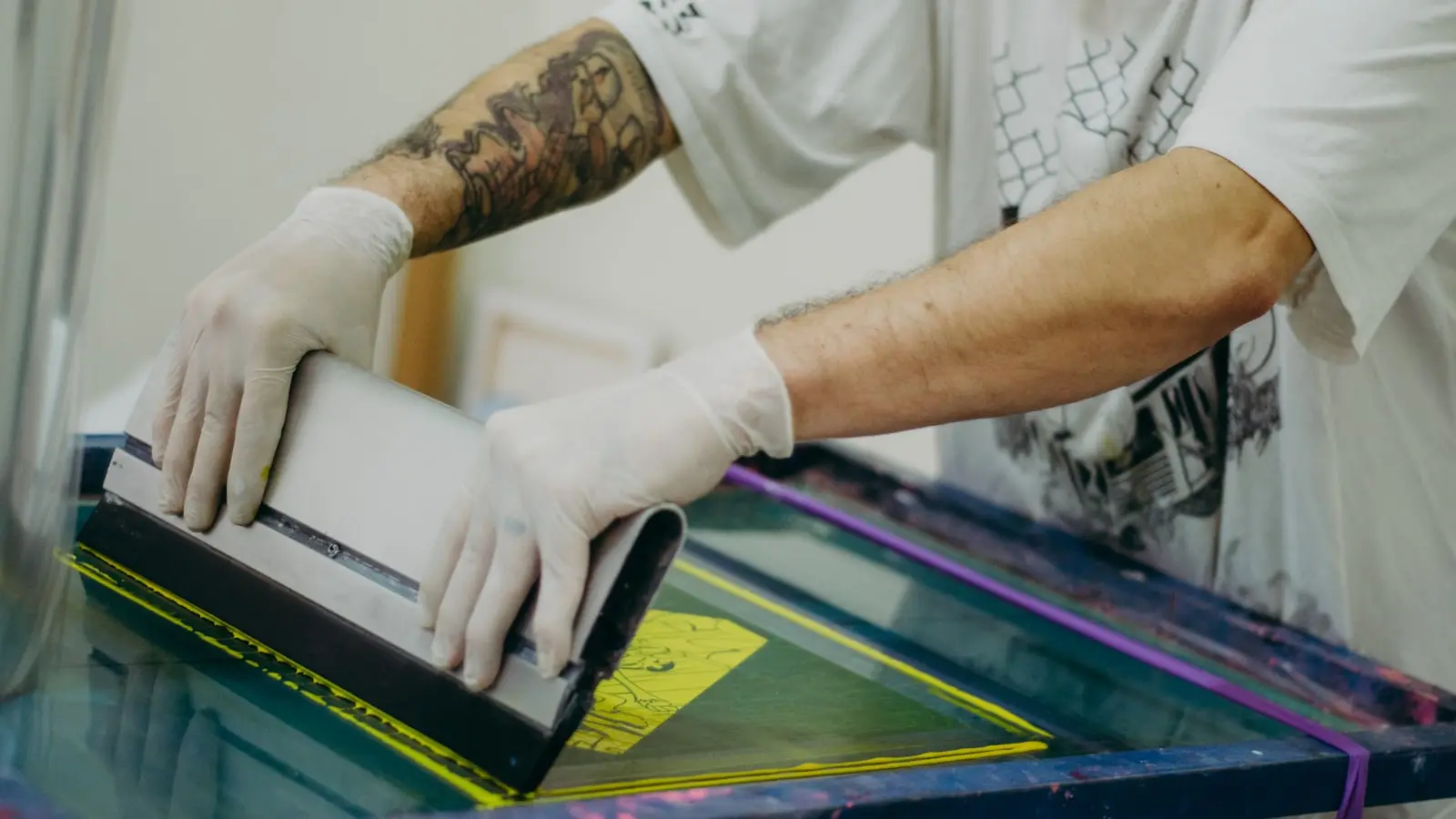
Lithography and screenprinting are two other main approaches. Lithography relies on oil and water repelling each other. You draw straight onto stone or plate with a greasy crayon, creating work with painterly immediacy and spontaneity. Screenprinting brings bold colour and graphic clarity, which makes it good for work with strong conceptual or political edges. Each technique has different cost, edition size, and visual implications. Choosing one medium over another is itself an artistic decision that matters.
The Economics of Collecting Prints and Paper Works
Here's the straight up: prints and works on paper are genuinely affordable, without sacrificing quality. You can pick up a museum-quality etching or screenprint by an established Australian artist for anywhere between several hundred and a few thousand dollars, whereas a painting of equivalent artistic worth by the same artist would cost you considerably more. Prints aren't worth less because they're inferior. It's just how the maths works out. When an artist prints multiple copies from a single matrix, the production costs get spread across the whole edition, so each individual print comes in cheaper. For anyone building a collection, whether it's your first purchase or you're adding to what you've already got, that economic reality opens up genuine possibilities.
The size of an edition carries real weight when it comes to value and meaning. An edition of fifty tells a different story than an open edition, and whatever the artist decides reflects how they're thinking about distribution and scarcity. Plenty of serious Australian artists stick to small editions, numbering each work individually (like 5/25, which means it's the fifth print out of an edition of twenty-five). This keeps the work collectible and exclusive while maintaining the democratic accessibility that's part of what makes printmaking worthwhile. When you buy a print, you're getting something that's intentionally limited, which means the artistic intent and value stay protected.
The secondary market for Australian prints is stronger than plenty of collectors give it credit for. Work by established printmakers, those with regular shows at major institutions or teaching positions at universities with solid printmaking departments, has held its value steadily over time. Unlike the speculative contemporary art market where values jump around unpredictably, prints by serious practitioners with substantial exhibition histories tend to appreciate at a steady clip. That stability appeals to collectors who want to actually live with their work and enjoy it, without the stress that usually comes with buying speculative contemporary pieces.
Where to Discover Australian Printmakers
Australia's best printmaking happens in places you'd expect and places you wouldn't. Melbourne's Abrahams Gallery and the Print Council of Australia, which publishes Printmaking: A Contemporary Perspective, are obvious names. But solid work goes on right across the country. Canberra has an active printmaking community backed by institutions like the National Portrait Gallery, where you can actually meet artists doing serious work. Brisbane's South Brisbane Precinct has strong printmaking studios. Sydney's scene centres on the Sydney College of the Arts and churns out artists who matter locally and globally.
University printmaking studios often open their doors to the public, so you can watch artists in action and chat with them directly. Most Australian universities with decent visual arts programs run regular exhibitions and studio open days where you can ask questions and buy straight from the maker if you like what you see. That matters more than you might think. Seeing how someone works, what gets them going, what influences their choices, all of it changes how you look at the finished print. Gallery memberships are worth considering too, they usually give you first dibs on new acquisitions and decent price cuts.
Artist-run spaces and cooperative galleries punch well above their weight in Australian art these days. They take real risks on experimental work and give emerging artists a shot before they land gallery representation. The trick is staying plugged in. Follow local arts publications, sign up to gallery newsletters, and join the online communities talking about contemporary Australian art. You'll hear about shows and artists worth watching. The whole thing's surprisingly interconnected and personal. Getting involved actually opens doors.
Building a Coherent Collection
Starting a print collection doesn't have to be daunting if you go about it with some thought. Buy work that appeals to you, both visually and conceptually. Ask yourself what you're actually drawn to. Do particular subjects keep catching your eye, whether it's landscape, portraiture, or abstraction? Are there specific printing techniques that interest you? Maybe you're keen on work from a certain region or artistic movement. Plenty of collectors build their collections around a simple focus like this, whether it's works on paper from a particular area, exploring one technique across different artists, or gathering pieces that deal with environmental or social issues.
Always look at prints in person before you buy them. You can't get a real sense of paper and ink from a photograph. You need to see how light moves across the surface, notice those subtle colour shifts, feel the quality of the paper. Most galleries are happy to let serious collectors spend time with the work. Keep notes on pieces you're interested in, go back to shows you liked, and don't rush into buying. You'll end up with a better collection, and one that means more to you personally, if you build it carefully over time rather than chasing every opportunity.
Consider the practical reality of looking after works on paper. They need proper framing, the right lighting, and stable conditions. Acid-free mounting, UV-protective glass, and keeping work out of direct sunlight aren't fancy extras. They're how you make sure your collection lasts and how much you'll actually enjoy living with it. Most framers don't know much about archival standards, so get advice from galleries or a conservator. Looking after these pieces properly, so other people can see them later on, adds a real layer of meaning to the whole thing.
Contemporary Australian Printmakers Shaping the Medium
Australia's printmakers right now are working at a really high level. Some are using printmaking to engage with Indigenous knowledge systems and decolonial practice. Others are mixing digital technologies with traditional techniques, creating work that feels genuinely new. Then there are those doing something more personal and introspective, exploring memory and family history through careful technical decisions.
The range of approaches across the country is pretty remarkable. Some artists work mainly in black and white, achieving serious tonal complexity through technical skill. Colour printmaking, especially screenprinting and modern lithography, shows how visually striking work can carry real conceptual weight. A lot of the most interesting artists jump between different techniques, picking whatever works best for the idea at hand rather than locking themselves into one method.
What makes contemporary Australian printmaking exciting right now is that it's genuinely international without losing its cultural ground. Our artists are part of global conversations while staying connected to Australian contexts and concerns. That balance between local and global, tradition and innovation, accessibility and conceptual depth, is what makes this moment matter. For collectors, that means work that feels genuinely tied to place and culture while also speaking to international artistic practice at a serious level.
The Permanence and Pleasure of Paper-Based Art
Paper-based artworks have something paintings and digital works can't quite match. Paper has real presence, both tangible and fragile. When you hold a framed print, you notice the artist's hand, the decisions made in creating the matrix, the pressure applied during printing, the choice of paper stock. You feel that physical connection between you and the artwork in a way that seems honest. In an age of screens and digital images, choosing to buy paper-based artworks feels almost defiant, insisting on objects that don't need technology to exist.
Printmaking also carries inherent democratic values that resonate with many contemporary collectors. The medium's core principle is that one image can be multiplied and distributed, which connects to ideas about art's social role and accessibility. Buying a print doesn't mean you're joining an exclusive, wealthy collecting elite. You're participating in a tradition that has always held quality art shouldn't be reserved for the very rich. This philosophical dimension adds another layer of meaning to your collection, beyond aesthetic and financial concerns.
Prints and works on paper age beautifully when cared for properly. Unlike some contemporary materials that degrade or fade, high-quality prints made with archival inks on acid-free paper stay vivid and engaging for centuries. Your collection becomes something you can genuinely pass forward, an act of custodianship rather than mere possession. This sense of responsibility and continuity, of looking after artworks for future generations, transforms collecting from personal consumption into something more meaningful: active participation in cultural continuity.
Taking Your First Steps as a Print Collector
Start by visiting exhibitions and poking around without worrying about dropping cash on anything straight away. Spend time looking at what catches your eye, work out what you actually like, and have a yarn with the gallery folks and artists. Most galleries put out catalogues for their shows, which give you the lowdown on techniques, editions, and what things cost. Keep these catalogues. They're worth building up over time since they help you follow artists and see how their practice shifts and changes.
Get along to public collections at places like the National Gallery of Australia, your state galleries, and regional galleries. They've all got decent print and works-on-paper collections. You can study the stuff at your own pace, no pressure to buy anything, and it teaches you heaps about quality and what different artists are doing. Galleries usually run talks, workshops, and curator-led events specifically about prints and works on paper. Going to these sorts of things builds your knowledge and connects you with other collectors and artists.
When you're ready to actually buy something, go easy. One really good work by an emerging or mid-career artist that actually speaks to you will give you far more satisfaction than a number of ordinary pieces. Get to know the gallery staff and dealers. They can tell you about artists' practices, explain technique and edition information, and sometimes give you a heads-up about work that might be your thing before it hits the wider market. At the end of the day, collecting's as much about the friendships and conversations as it is about what you own. Approach it with genuine interest, take your time, and stay open to being surprised by what art throws at you.