
City Guides
Perth and Fremantle: Western Australia's Art Destinations
1 June 2026
Introduction: Western Australia's Creative Renaissance
Perth and Fremantle get overlooked in Australian art circles, which is a real shame. Geographically isolated, sure, but they've developed something worth paying attention to. The art here is experimental and genuinely rooted in Indigenous culture, without the commercial polish you get in Sydney or Melbourne. Most people assume the serious galleries are all on the east coast. They're wrong.
The last two decades have seen both cities properly come into their own. New galleries have appeared, older ones have grown, street art is everywhere, and there's a palpable creative energy. What sets the place apart is the actual work on the walls: genuine experimentation, strong connections to Country and Indigenous perspectives, and a refreshing lack of that slick commercial sheen you see down south and across the water.
{"text":"Art collectors, gallery hoppers, and the casually curious will all find plenty to explore here. You can hit the highlights of both cities in a long weekend, though they're substantial enough for a longer visit. This guide covers what's genuinely worth your time."}.
Art Gallery of Western Australia: Where to Start
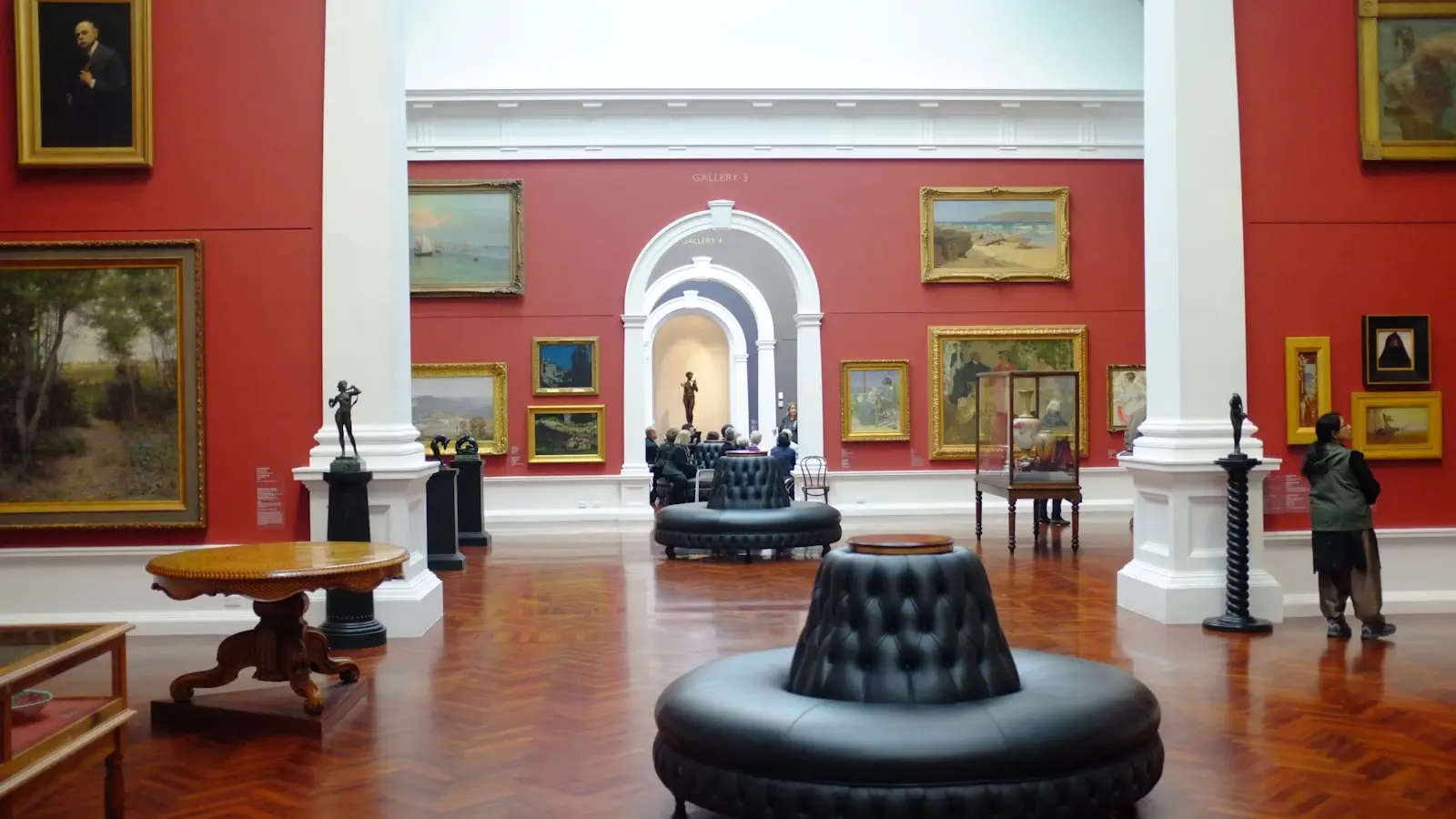
It makes sense as your first stop. The gallery holds one of Australia's best Indigenous art collections, plus over 30,000 other works spanning contemporary, historical, and traditional pieces. The space is peaceful and bright, designed so you can actually focus on what you're looking at.
AGWA's Indigenous Australian art collection is its real strength. Artists from the Western Desert, Kimberley, and Pilbara present work that connects to Country and storytelling traditions stretching back thousands of years. The curators pair older pieces thoughtfully with contemporary Indigenous artists working across photography, video, installation, and printmaking. Since exhibitions rotate regularly, you'll find something fresh if you visit more than once.
The gallery also holds a solid collection of European and Australian modernist works, along with pieces by significant WA-connected artists. Contemporary galleries display both emerging and established local artists mixed in with international names. The shop has good exhibition catalogues to browse, and the café's decent for a coffee. Entry to permanent collections is free, though special exhibitions sometimes charge admission.
Fremantle's Gallery Scene: Bohemian Charm Meets Serious Art
Fremantle's got proper bohemian bones. The Victorian buildings, active waterfront, and decades of artists setting up shop here create something real. You walk through the city centre and there are galleries tucked into heritage buildings, artist studios sprawling through converted warehouses, and clear evidence that people care about keeping creative spaces alive.
The Fremantle Arts Centre is housed in a restored nineteenth-century mental hospital. They don't shy away from that dark history either, which adds something to being there. The centre runs contemporary exhibitions across several spaces with a focus on Western Australian artists and all sorts of different practice. There's a sculpture park out front that deserves your time. Throughout the year they run artist talks, workshops, and community events. It's not just a place you walk through and look at things.
The independent galleries and artist-run spaces are what make Fremantle different. Most are clustered around South Terrace and High Street. These smaller venues let you actually talk to artists about their work instead of just viewing from a distance. There's no corporate finish to it. You've got ceramicists, painters, sculptors, and mixed-media artists making work that thinks about something, not just decoration.
Contemporary Indigenous Art in Western Australia
Western Australia produces some genuinely outstanding contemporary Indigenous artists. Seeing their work in Perth and Fremantle makes a real difference because you can still trace the connections to Country and community. It's completely different to looking at pieces ripped out of context in a Sydney gallery somewhere. The region's galleries and institutions have started taking Indigenous perspectives seriously and putting them front and centre.
Artists from remote communities across the Kimberley, Pilbara, and Mid-West really shape what gets shown here. A lot of galleries work directly with these communities, so you're looking at work that's already got serious international credibility. That direct relationship matters because it means the work gets presented honestly and explained properly. When you visit, pay attention to the artist statements and any notes about the Country represented, the traditions being used, and what's new in the work itself.
{"text":"Approach Indigenous art with some thought. Seek out galleries that are upfront about where work comes from, who made it, and how artists are actually paid. The art world's become more careful about appropriation and representation over the past few years, and the serious galleries in Perth and Fremantle show good practice. Buying, going to talks, or just engaging properly with what artists are doing demonstrates respect."}.
Street Art, Public Art and the Grassroots Scene
Perth and Fremantle have some serious street and public art happening, and you should know about it to get the full story. Street art here isn't treated as separate from 'real' art, it's actual artistic practice and community engagement. Fremantle's particularly committed to murals and street projects, with works from local and visiting artists scattered throughout the city.
Perth's public art program has grown considerably over the last few years. The council and arts organisations put in site-specific commissions across public spaces, often dealing with questions of place, identity and the environment. You'll spot large murals, installations and other work just walking around town. Having real art accessible outside galleries shapes how people experience the whole art scene, whether they live here or are just visiting.
Artist collectives and DIY creative spaces have really taken off, especially in Fremantle. Old factories and warehouses have been claimed by artists after cheap studios and exhibition space. Some open during festivals or by arrangement, but they're not always easy to find. Check local community notice boards, follow independent artists on social media, or just ask around in galleries. The reward's worth the hunt though: you get to see emerging work and experimental stuff that often has a political edge, all outside the formal gallery system.
Practical Advice: Visiting, Timing and Getting the Most from Your Visit
You'll need a car to get around Perth unless you're happy staying in the city centre or Northbridge. Fremantle's another story, it's walkable and easy to explore on foot. Public transport works fine if you'd rather skip the driving. The galleries worth seeing are scattered across different pockets: Perth clusters them near the State Library and Museum, plus Northbridge has a number of newer spaces; Fremantle's best explored by wandering around the city centre and the Arts Centre.
Timing does matter. Perth gets scorching hot from December to February, which makes walking between galleries a slog, so autumn and spring are much better bets. Winter's mild and fine for it. Most galleries run year-round, though some smaller ones shut for a few weeks here and there. The bigger places often line up major shows around school holidays, so if you time it right you'll catch more events and activities.
Don't rush through the galleries. Contemporary spaces aren't museums, and a single show in a smaller gallery usually needs 20 to 45 minutes to look at properly. Talk to the staff while you're there, they know who works in the space and can suggest artists you might like. Start in Fremantle if you want a more relaxed feel and get your bearings, then move on to Perth's bigger, more formal venues. Most galleries have contact details and hours for other spaces pinned up somewhere, so it's straightforward to work your way through the whole network.
Emerging Galleries and Future Directions
Perth's art scene is constantly changing. New galleries pop up regularly, and people are finding creative uses for spaces that have been sitting empty. You'll find yourself stumbling across fresh exhibitions and different ways of experiencing artists' work if you spend any time looking around.
Fremantle is pushing for more attention on the international stage, though it's trying not to lose touch with locals in the process. There's an inevitable clash between making money and doing genuine artistic work, like anywhere. If you visit, you can actually help tip the balance by looking at work across the board and backing galleries that really care about developing artists rather than just shifting stock.
The next phase will see both cities engaging more seriously with Indigenous art, international partnerships, and experimental work. The rest of Australia is starting to pay attention to what Western Australia's doing. It's a decent time to get over there now: the places are easy to get around, what's hanging on the walls is worth your time, and the people making the work actually want to talk to visitors about it.
Conclusion: Why Perth and Fremantle Matter
Australian art gets fixated on the east coast, but Perth and Fremantle show that you don't need Sydney or Melbourne to do serious work. What you get here is art that's rigorous without being precious, with genuine roots in place and real engagement with Indigenous Australian artists alongside contemporary practice. For collectors and people who care about art, the value and opportunity are worth paying attention to.
Authenticity matters in both cities. The art scenes feel connected to where they actually are, built into the communities that support them. Galleries treat their work seriously, Indigenous artists aren't an afterthought, and both the commercial and independent spaces focus on genuine practice rather than hype. It makes for a pretty good environment to spend time with art.
If you're coming specifically for art or just adding galleries while you're in WA, Perth and Fremantle are worth the effort. You've got major institutions, independent galleries, street art, Indigenous perspectives, and a distinctive creative culture all in the mix. Go in curious, take your time, and engage properly with what you find and the people making it. You'll come away surprised.