
Collecting
How to Build a Relationship with a Gallery
1 June 2026
Why Gallery Relationships Matter in the Australian Art Scene
{"text":"The Australian art world runs on personal connections. Unlike retail galleries, the best ones thrive on real relationships between staff, artists, and visitors. Get to know a gallery owner or curator and you'll hear about upcoming shows and new artists before they're announced publicly. That kind of inside information matters if you're serious about collecting, picking up work occasionally, or staying in the loop with contemporary art."}.
Australian galleries punch well below the weight of their overseas counterparts. In Melbourne, Sydney, Brisbane, and Perth, the gallerists tend to know their regulars by name. There's a genuine friendliness to it. Once you stop being a casual browser, the gallery actually starts paying attention to you. Staff remember your taste, what conversations stuck with you, which pieces made you pause. Galleries value people who look carefully at work, ask proper questions, and actually care about the artists they show.
The real benefit of these relationships goes way beyond pleasant chat. Regular visitors often get first look at significant works, invites to artist studios, sometimes better prices when you buy. A good gallerist becomes someone you can trust, someone who knows what moves you and might ring you up to say "I reckon you should see this." They'll introduce you to artists, explain what they're doing, and help you understand the work in ways that make owning it feel more meaningful.
Start With Genuine Engagement at Exhibition Openings
Exhibition openings are the easiest entry point. They're designed so people can actually connect with galleries and artists. Don't just walk through or tick it off the list. Give the work some real attention. If you can, arrive early before the crowds pile in, or go on a quieter weekend afternoon. Read the wall texts, any artist statements, the catalogue if there's one. You need something genuine to say beyond "it looks nice."
When you chat to the gallery staff or artist, be specific about what got your attention. Maybe it's the colour, the concept behind it, how they've used the material. Gallerists can spot someone winging it from a mile away. Ask real questions about their process, what the show's actually about, where it sits in their wider work. These conversations show you care. People remember that.
Get into the habit of going to openings at places you genuinely connect with. You don't need to catch every show, but being a regular face at galleries whose work speaks to you means staff will remember your taste. Bring up past conversations when you're back. That proves you're actually interested, not just filling your calendar. Trust gets built on consistency.
Visit During Regular Hours and Look at the Work Properly
Quiet weekday and weekend visits are often better than the opening rush. Plenty of collectors reckon the calm periods are ideal because you can actually spend time with the pieces and chat to the staff without being jostled around. Gallery people are much more available when it's quiet, and they value visitors who're genuinely interested in the art. Give yourself the space to really look. Plant yourself in front of something that grabs you. Take notes. Let your feelings about it come to you naturally.
Talk to gallery staff like they're people with expertise, not like you're being sold something. Ask what they'd show a friend, get them to explain techniques you don't follow, ask how a work fits into bigger conversations about art or what the gallery's doing. Proper gallerists love talking about what they do. If you're thinking about buying, ask them about the materials, dimensions, provenance, what else the artist has made. Gallerists respect people who've actually thought things through. Even if you're not buying today, good questions tell them you care about the work and the artist.
Come back and look at stuff you like a few times before you buy it. Gallerists clock when someone keeps walking back to the same work. It shows you're actually interested. If you do buy, that story matters. If you don't, the return visits still show you're genuinely engaged with what they've got going on. That sort of thing builds a good relationship for the future.
Engage Thoughtfully on Social Media and Beyond
Australian galleries are all over Instagram and Facebook now, so follow ones you genuinely like and actually engage with their posts. Drop proper comments on exhibitions instead of just throwing likes around. Share photos of work that actually got to you and say why it mattered. When galleries see the same person popping up with thoughtful stuff regularly, they clock it. You become someone they recognise in their community. It keeps you tapped in between visits and makes the whole experience feel less disconnected.
Get on gallery mailing lists and follow the artists they represent. That way you'll hear about upcoming shows, artist talks, the good events before they happen. Plenty of galleries give subscribers early access to things. If you actually turn up and mention you got the newsletter, that registers. Artist talks and panel discussions genuinely deepen how you understand what the gallery's about. You'll also meet other people who actually give a damn about art.
When you post about exhibitions, tag the gallery and the artist. You're not doing it to boost your own profile. You're joining the conversation about contemporary art in your region. Gallerists and artists absolutely notice when people who've visited actually talk about their work online. It takes zero effort and shows you actually support what they're doing. Over time you start building a real network where everyone knows each other and backs each other up across the Australian art world.
Get Clear on What You Collect
When you start spending time at a gallery, the people running it will want to know what you actually collect and what catches your eye. Be honest about it. Tell them the kinds of work that draw you in, what you can spend, what themes matter to you. Gallerists can't read minds. If you're into contemporary sculpture but also buy works on paper now and then, just say so. If you're building a collection around landscape or identity, explain what speaks to you about it. If budget's a constraint, own that. Most of them respect collectors who know what they're after.
Once you start buying, you're no longer just a visitor passing through. You become someone who backs the gallery and the artists it shows. That changes things. Gallerists often keep significant pieces or studio visits for people who actually collect. But it also comes with expectations. Real collectors drop by regularly, look seriously at new shows, and stay in touch about how their taste is shifting. If you buy something, tell them how it's working in your space. Artists and gallerists actually want to hear that their work is being looked after and valued.
You don't have to buy anything to build a genuine connection with a gallery. Some of the strongest relationships happen with visitors who hardly ever purchase but show up consistently, pay attention, and tell mates about the place. That counts for something. If you do have the means to collect though, buying does change the dynamic in good ways. When you do pick something up, ask about payment plans if you need them, get some guidance on framing, work through how best to display the piece. Those practical conversations build trust and signal you're thinking about the art for the long haul.
Seek Out Studio Visits and Artist Encounters
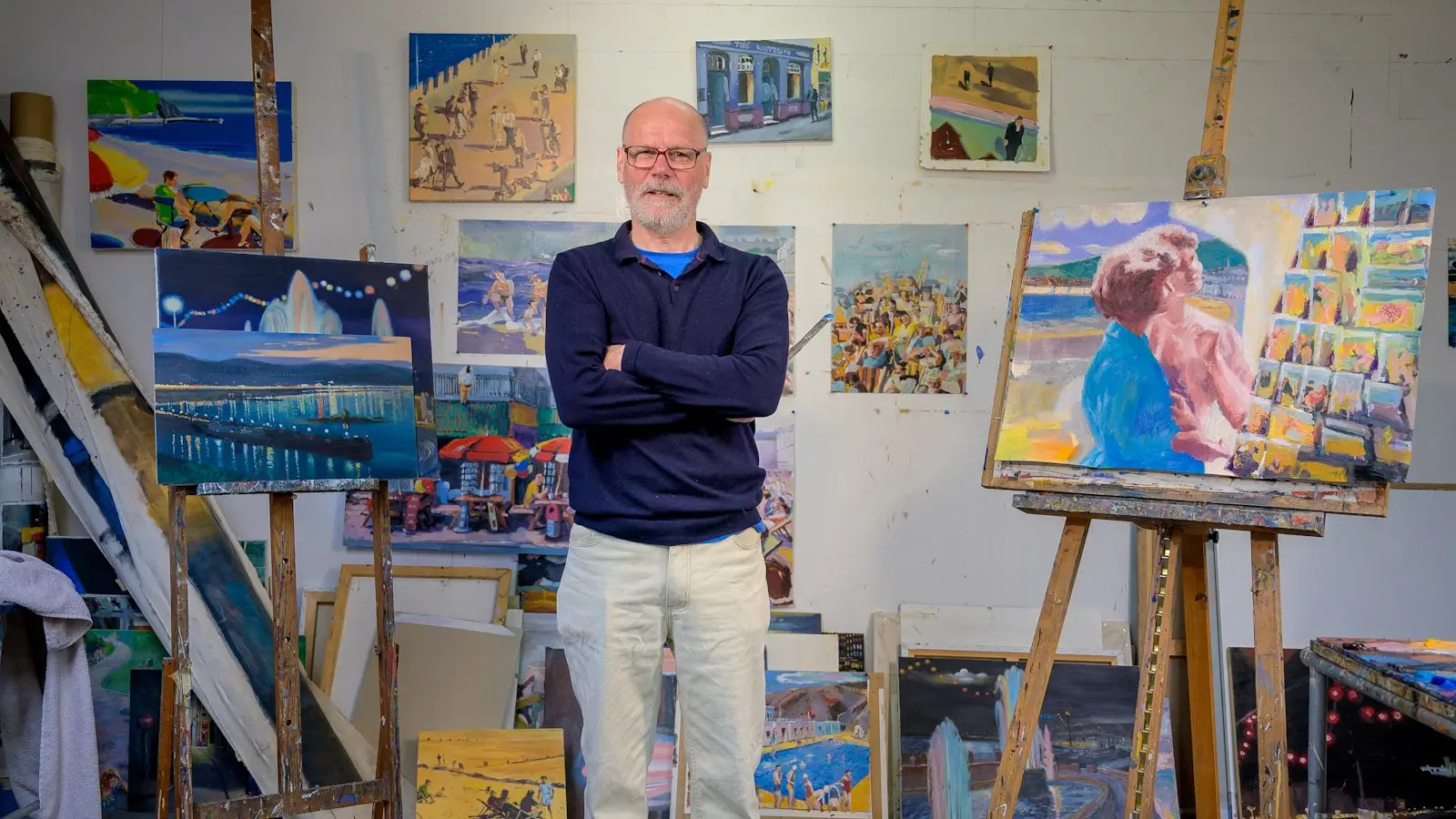
Studio visits give you the real picture. Most galleries can sort you out with access to artist studios if you've shown genuine interest. Just ask. Some artists run open studios at certain times, especially around Abbotsford in Melbourne, inner-west Sydney, or South Brisbane. You'll learn more from a studio visit than you ever would from a gallery show. You get to see work in progress, watch how they actually operate, and talk to the artist. It completely changes the way you look at the finished pieces.
When you visit a studio, show some respect. Artists open their doors because they want real conversation, not just looky-loos or people after a cheap deal. Bring actual questions about their practice and thinking. Listen more than you talk. If you're considering buying something, the studio setting shows you stuff that galleries simply can't. You see how the works fit together, understand the scope of what they're tackling, and pick up on the reasoning behind each piece. This stuff genuinely shifts how you connect with the work.
After you've been to someone's studio, stay in touch. Send an honest email if something's stuck with you. Artists don't get much direct feedback, so a real message actually matters to them. Plenty of them are active on social media and appreciate genuine contact from people who've visited their space. You end up with a proper connection outside the gallery setup, and your whole experience with contemporary Australian art becomes richer for it.
Support Through Attendance and Advocacy
The best way to support a gallery you like is to actually show up. That might sound simple, but it matters. Go to artist talks and panel discussions. You'll pick up genuine insight into how artists work and why curators make the choices they do. You'll also meet other people who care about art, maybe a few curators or visiting artists too. The conversations at these events often lead to real connections with others across the gallery world.
Word-of-mouth still counts for a lot in Australian art circles. When someone asks you about what's on, tell them about galleries you actually care about. Be specific about an exhibition or artist you've seen. Explain what you reckon works about how a particular gallery operates. Invite your mates to openings. Gallerists pay attention when their regulars turn up with new faces. It shows you're genuinely into what they're doing and it gets more people through the door. Most will genuinely appreciate that kind of grassroots support.
If a gallery's after volunteers, it's worth thinking about. Some need a hand with events or art fairs, and working behind the scenes teaches you how galleries actually tick while you pitch in something useful. Even without formal volunteering, offering practical help when you can makes a real difference. Most gallerists are pretty stretched. Once you become someone they can count on, someone who's genuinely thoughtful and engaged, you shift from being just a visitor to more of a partner in what they're trying to build.
Work Through Rough Patches and Keep Gallery Relationships Going
Like any relationship, the ones you build with galleries need upkeep. You'll hit bumps. Staff turnover, exhibitions that don't grab you, price increases, changes in curatorial direction. Real relationships weather these things because they're built on genuine respect rather than perfect agreement. You can tell a gallerist you didn't rate an exhibition without nuking the whole thing. When new people arrive, give them space to settle in and clue them into what you actually care about. Disappointment is part of it.
When something goes wrong, say something. Poor service, feeling sidelined, sales tactics that feel dodgy, whatever it is. Talk to the gallery directly about it. Most gallerists actually want to know how people experience the place and will genuinely engage with honest feedback. Don't let annoyance eat away at you in silence. If a gallery stops showing artists you loved or changes direction you're unsure about, you can still tell them you valued their earlier shows while letting them get on with whatever they're doing now. These conversations, if you go in with good faith, usually make things stronger.
Your relationship with galleries shifts as your circumstances do. Your interests change, you move to another city, your budget gets tighter. Keep a line open with galleries you've valued even when the nature of your connection changes. A real message to someone you've dealt with for years, saying how an artist's work still matters to you or letting them know you've relocated and found other galleries, keeps things ticking over. Plenty of Australian gallerists nurture friendships with collectors across the country and abroad, creating a wider network that keeps contemporary art afloat.
Understanding Regional Gallery Cultures
Each Australian region has developed its own gallery culture worth understanding. Melbourne's galleries around Fitzroy and the city centre focus on experimental work with engaged audiences backing it. Sydney spreads across inner-west precincts and eastern suburbs, each with different tastes and direction. Brisbane's picking up momentum with solid programming. Perth and Adelaide operate more tightly, where collectors tend to know each other well because the numbers are smaller. Knowing how these scenes differ helps you engage properly with galleries in your own area.
Travel to galleries in other Australian cities and you start seeing how contemporary art circulates across the country. Queensland and Western Australian galleries show artists who should get wider recognition. Artist-run spaces work differently than institutional galleries. Real discoveries often come when you push beyond your usual networks and stumble onto unexpected venues. Bring those finds back to your conversations with your main gallerists and everyone's understanding of contemporary Australian practice deepens.
Many regional galleries are run by artists genuinely committed to supporting local work and emerging voices. Treat them with the same seriousness as a major city gallery. Money spent there, whether through visits or purchases, keeps artists working and gallerists doing their cultural work. In smaller cities these relationships often turn into real friendships, which makes the whole thing more rewarding.