
Art & Culture
Floral and Botanical Art: Bringing Nature Indoors
1 June 2026
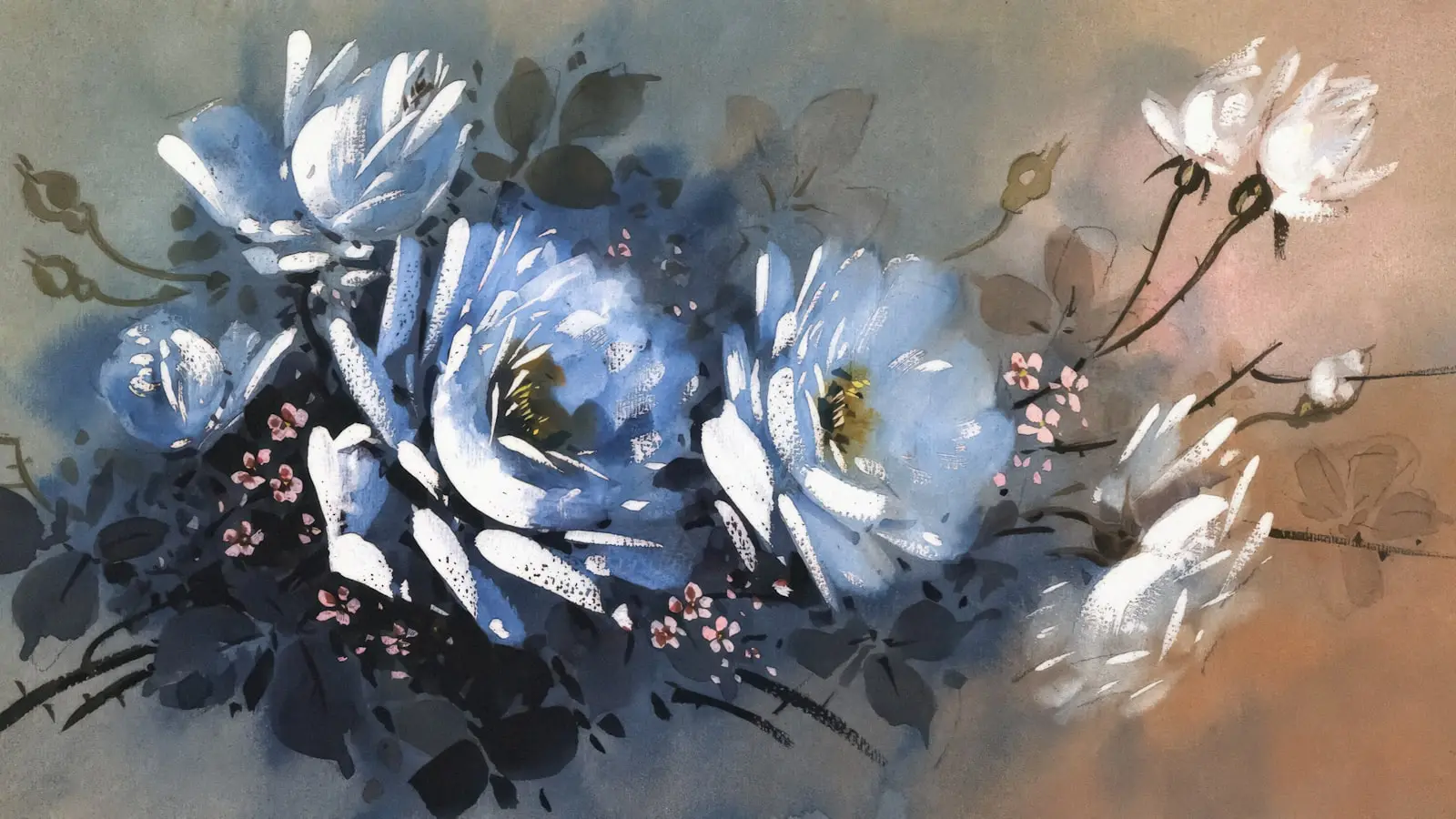
Botanical Art in Contemporary Australia
People want plants on their walls. Over the past few years, Australian collectors and homeowners have been snapping up botanical and floral artworks at a real pace. This isn't your grandma's stuffy Victorian still life. Artists are making serious work about how we live alongside nature when we're surrounded by concrete and glass. Walk into galleries from Sydney's inner west through to Melbourne's warehouse spaces and Perth's newer art districts, and you'll see botanical pieces doing something genuinely ambitious. They've moved well beyond dried flowers pressed under glass.
A lot of the appeal comes from how restful these works feel to make and to sit with. Some people connect with hyperrealistic watercolour studies of Australian wildflowers, others with abstract botanical sculptures or contemporary mixed-media pieces using native plants. The work celebrates what grows here, from the weirdly shaped Sturt Desert roses to the intricate patterns on waratahs. It also taps into real anxieties we have these days. Conservation, climate change, ecological collapse. These pieces engage with that stuff.
Modern botanical art does something the historical work often didn't. Today's artists aren't just painting what plants look like. They're questioning how we think about nature, pulling apart how Western art traditionally shows landscape, and experimenting with materials in genuinely new ways. That intellectual rigour, matched with the pure visual pleasure of the work, explains why galleries keep running botanical shows and why serious collectors are putting money into it.
Understanding Different Styles and Mediums
Botanical and floral art covers an enormous range of approaches and materials. Traditional watercolour botanical illustration is one end of the spectrum, with scientific roots but contemporary artists blending precision with expressive brushwork and smart composition. Australian collectors are drawn to this method, particularly pieces featuring native species rendered with meticulous detail and subtle colour shifts.
Contemporary artists experiment freely across mediums: massive oil paintings that blow up single flowers into abstract forms, delicate ink work on handmade paper, digital prints mixing botanical photography with illustration, and increasingly mixed-media installations using pressed plants, natural dyes, textiles and found materials. Some build layered works from pressed botanicals and collage that feel three-dimensional even when they're hung on a wall.
You'll also come across work that plays with scale and perspective. Think native orchids scaled up as vast, architectural shapes filling entire gallery walls, or close-up studies of microscopic plant detail blown to overwhelming size. Some artists engage directly with conservation and environmental politics, using flowers to discuss land management, Indigenous plant knowledge, or the problems introduced species create. Knowing where an artist sits helps you pick works that genuinely match what you're after.
Australian Native Flora as Artistic Subject Matter
Australia's unique plant heritage gives artists plenty to work with. Eucalypts have striking forms. Grass trees offer architectural shapes. Spring wildflower carpets across Western Australia glow with colour. Native orchids show intricate detail. There's real visual variety to draw from. For collectors wanting to connect with Australian identity and place, art featuring endemic plants makes that connection strong and direct.
A lot of contemporary Australian artists use this visual material while also raising important questions about land, ownership, and Indigenous botanical knowledge. Botanical art now often brings in First Nations perspectives on Australian plants and how people use them, moving past the old prettified Western approach. Artists working this way tend to acknowledge the knowledge systems that First Nations peoples have maintained for tens of thousands of years.
If you're after work that feels authentically Australian without the tired clichés, native species are where the substance is. Forget generic gum leaf designs and look for artists who've actually studied their subjects. Find ones who understand specific plants in their ecosystems and whose work shows real research and observation. Whether it's Southwest wildflowers, alpine species from the Great Dividing Range, or the strange adaptations of desert plants, there's genuine work worth discovering.
Building a Floral Art Collection: Practical Considerations
Collecting botanical and floral art demands the same rigour you'd apply to any serious art purchase. Get into galleries and artist studios where you can see original work at different sizes, properly examine materials and techniques. Go to artist talks and exhibitions. Most Australian cities host regular botanical art shows, which give you a real sense of what drives the artists, how they approach research, and what they're actually trying to do. Melbourne's galleries, Brisbane's artist-run spaces, and Sydney's print and drawing specialists all stock contemporary botanical work on a regular basis.
Before you start spending, think carefully about where you'll actually put these pieces. Floral art can be anything from small intimate works designed to be viewed close up to large installations that demand a full wall. Lighting matters too. Watercolours and paper need steady, indirect light, while some newer work thrives under dramatic lighting. Set a budget that shows you're serious about this. Quality botanical artwork, whether from up-and-coming or established artists, has real worth and isn't something to pick up as cheap wall covering.
Do your homework on artists instead of making snap decisions. Follow their work over time, visit their studio when you can, see a few shows so you understand how their practice develops. Chat to gallerists about provenance, materials, and the research behind the work. With paper-based pieces, find out what conservation needs and get them framed properly. Real collecting grows from developing genuine taste and backing artists whose work actually speaks to you. The money side sorts itself out when you genuinely care about what you're buying.
Major Australian Galleries and Exhibition Spaces
You'll find botanical and floral art across Australia's big public museums, both in their permanent collections and in rotating shows. The Art Gallery of New South Wales, the National Gallery of Victoria, and the Art Gallery of South Australia all have solid holdings of historical botanical illustration alongside contemporary pieces. These collections shift around by theme, so you can catch work from different periods and styles if you visit regularly. Queensland, Western Australia, and Tasmania also have regional galleries with respectable botanical art collections, usually heavy on local plants.
Beyond the main institutions, there's a decent spread of galleries around the country doing strong work with botanical and floral pieces. In Sydney, Paddington, Darlinghurst, and Barangaroo have galleries with solid botanical programming. Melbourne's Northside and Fitzroy are thick with artist-run spaces and indie galleries doing nature-based work. Brisbane, Perth, and Adelaide all have established galleries showing contemporary artists interested in botanical subjects. If you want to see the really experimental and conceptually sharp stuff, check out the artist-run spaces in warehouse zones or catch them during open studio events.
To keep up with what's on, you'll need to stay on top of it. Sign up to gallery newsletters, follow what institutions are posting online, and keep an eye on art listings and websites. Most galleries put out solid catalogues for their botanical shows, which are worth having for learning about artistic practice, conservation, and how the genre sits in Australian culture. Once you start collecting, these catalogues become genuinely useful reference material.
Looking After Botanical Art and Living with It
If you're going to live with botanical watercolours, drawings, or prints, you need to know the basics of keeping them safe. Paper works get damaged by light, humidity that shifts around, and dodgy framing. Get them properly framed with acid-free mats, glass that blocks UV, and decent backing. Keep them out of direct sunlight and try to maintain steady humidity levels at home. When humidity swings up and down, paper expands and contracts, which can wreck delicate pieces.
Where you hang botanical art matters more than you'd think. Unlike some contemporary pieces that demand you sit and stare at them, botanical work often just sits there giving you pleasure without forcing anything. Small pieces work nicely in bedrooms, studies, or smaller dining rooms. Bigger dramatic pieces make good focal points in living rooms or halls. If you group several pieces together, whether they're from the same series or different works that talk to each other visually or conceptually, you can create something that feels like a proper gallery right in your home.
Most people who collect botanical art find their whole way of looking at things shifts. You start noticing the indoor plants you've got sitting around differently, you get curious about what the plants in your artworks actually are, and you pay attention to how flowers change through the seasons. For some people this interest naturally moves into growing their own plants, learning species names, and getting into nature more broadly. That connection between collecting art and what you notice in everyday life is actually what makes the whole thing special.
Contemporary Artists Pushing Botanical Boundaries
Right now in Australia there are artists making serious botanical work that challenges how we think about the whole thing. You've got people building large installations that probe the line between what humans do to nature and how nature itself operates. Then there are those using photography and digital tools to rethink how we represent plants. And plenty of artists drawing on their own backgrounds, whether that's Indigenous knowledge, migrant experience, or other cultural frameworks, to bring non-Western plant wisdom into their practice.
What ties them together isn't a style so much as a kind of commitment to real artistic inquiry. This isn't decorative stuff. They're wrestling with substantial questions: climate crisis, species extinction, what beauty and survival look like now, how land gets managed and by whom, the whole tangled relationship between people and the rest of the natural world. The work operates on two levels at once, it's visually engaging but also makes you sit with an idea, so you're forced to reconsider your assumptions about nature and where humans fit.
If you're thinking about collecting, following emerging artists has its own appeal. You're backing practices while they're still forming, and what you buy into can actually shape where an artist takes their work. Artist collectives, contemporary art fairs, and uni grad shows are solid places to find new talent. Plenty of younger Australian artists working with plants are doing genuinely fresh things. It's a rewarding area if you're keen on what's happening now rather than historical work.
Botanical Art and Environmental Activism
Australian artists have been using botanical and floral art to address serious environmental issues like habitat loss, invasive species, and climate change. Rather than treating art and politics as separate things, these practitioners see botanical work as a natural way to express concern for the natural world and push people to think differently about ecology. The best contemporary botanical art doesn't just look good. It says something real about how we're living and what we're losing.
The work coming out of this space tends to be intellectually sharp. Artists document endangered species, show how ecological systems actually work, explore restoration and recovery, and ask hard questions about what survival looks like in a changing climate. These pieces work as both evidence and argument, letting viewers engage with environmental issues through what they see rather than being lectured at.
If you care about the environment and collect art, buying from artists engaged with ecological themes is a way to put your money behind work that matters to you. A lot of these artists do more than just make gallery pieces. They run community education programs, work on restoration projects, and collaborate on things beyond the art world. Learning what an artist actually does and supporting them through collection, even in a small way, helps shift how people think about our relationship with nature.
Creating Your Own Botanical Art Practice
If you're inspired by botanical art and want to have a go yourself, Australia's got decent options for learning and meeting other artists. The Royal Botanic Gardens in Sydney and Melbourne, along with smaller regional gardens, let artists come and sketch or paint the actual plants. Some run artist-in-residence programs, while others just let you rock up with your easel. Drawing directly from living plants works for anyone, regardless of how experienced you are or what you're trying to achieve.
Most Australian cities offer workshops and courses in botanical illustration, watercolour, printmaking and similar stuff through universities, community colleges, artist collectives, and independent teachers. You'll find everything from traditional scientific approaches to contemporary work. Getting involved through classes, Facebook groups and artist shows helps you pick up techniques, work out what you actually like, and build connections with other people doing this kind of work.
Making botanical art yourself changes how you see the professional stuff. Once you've tried it, you understand what's involved in getting the detail right while still making something that works as art. You realise how long careful looking and drawing actually takes and what the different materials demand of you. Most people who collect this work find their own attempts, even as amateurs, completely shift how they appreciate what the pros do.