
Art & Culture
Emerging Australian Artists to Watch
1 June 2026
The Pulse of Contemporary Australian Art
Australian contemporary art's changed heaps in the last five years. A wave of younger artists is reshaping what Australian art actually means right now. They're working in painting, sculpture, digital media, installation and everything in between, mixing old techniques with fresh conceptual approaches. What makes them stand out is that they grapple with real social problems while keeping something recognisably Australian about their work, something that manages to resonate with people well beyond our shores.
None of this happened by accident. Independent galleries have started backing new work harder, art scenes in regional areas outside Sydney and Melbourne are actually booming, artist residencies and international exchanges have opened doors, and younger collectors are buying contemporary pieces rather than chasing historical work. Art schools right across the country, from RMIT and VCA in Victoria to Sydney Uni's art programs, are producing graduates who know how to experiment and understand the business side too.
The energy's spreading geographically. Sydney's gallery spaces in Barangaroo and the CBD keep finding and promoting fresh talent, while Melbourne's laneways and Collingwood's artist-run spaces work as experimental testing grounds. Perth, Brisbane, and Adelaide have moved past being backmarkers. They're creating artists who deserve serious international attention.
Abstract Art in Australia: A Fresh Approach
Abstract art in Australia is having a real moment right now. It's shifted far beyond the geometric work that earlier artists focused on. Contemporary practitioners use colour, form, and gesture to examine identity, landscape, and emotion in ways that feel immediate and grounded. There's a deliberate move away from the pretentiousness sometimes attached to pure abstraction, with artists weaving personal stories and cultural detail into work that remains non-representational on the surface.
Several newer abstract artists are making waves in the gallery and museum scene. Their practice tends to stem from close attention to the Australian environment. They're drawn to how light falls differently across various regions, to the geological features visible in remote inland areas, to the tactile quality of living in particular cities or rural locations. Many are also experimenting with unusual materials. Some work with natural pigments sourced from earth and ochre, while others use digital technology to create patterns they later translate into paint, textiles, or sculptural pieces.
The abstract work being made now also engages with non-Western knowledge systems, decolonisation, and questions of representation. Artists are asking themselves what abstract practice actually means in a country shaped by such a long and sophisticated Indigenous visual tradition. Can abstraction function as a decolonial act rather than simply adopting European modernist ideas? These concerns are leading to fresh formal and conceptual developments that have started catching the attention of curators and collectors overseas.
Indigenous Contemporary Voices and Cultural Reclamation
Indigenous Australian artists have shaped the country's visual culture for ages. But right now there's a real change happening. A new generation of Indigenous artists is working across contemporary media in ways that shift how their work gets seen and valued. They're moving past the old story of Indigenous Australian art being mainly traditional painting or souvenirs. Instead, they're using everything contemporary art offers: video, installation, performance, digital media, mixed media sculpture. They're working through sovereignty, identity, climate change, and keeping culture alive.
What stands out with a lot of these emerging artists is they won't get stuck in one medium or style. Their work speaks to Indigenous audiences and international contemporary art crowds at the same time. Some tackle colonisation head on, its history and what's still happening now. Others chase more abstract or formally experimental ideas. The variety matters because there's no one Indigenous look, just a number of different voices with their own concerns, histories, and artistic ways of working.
Institutional recognition has picked up speed. Galleries around Australia are actively looking for Indigenous artists, opening doors that used to be shut. But here's the thing: this shouldn't get framed like Indigenous art just became 'good'. Indigenous Australian art always was sophisticated and powerful. What's actually changed is institutions and collectors taking contemporary Indigenous practice seriously, getting past the narrow thinking, and the visibility that comes from that.
Digital Art and Technology in Australia
Video art, digital animation, virtual reality installations, AI-generated imagery, blockchain work, and immersive digital spaces have become central to what many emerging Australian artists are doing. They're responding to what technology actually enables, but also to bigger shifts in how we live. The growing move to virtual experiences, questions around data and surveillance, concerns about authenticity online. These things shape their work in real ways.
What stands out in some of this practice is how artists engage with Australian landscape and nature through technology. They use digital tools to question how we see and represent the natural world, particularly given climate change and environmental damage. Some build immersive digital experiences that reimagine Australian places, others use data visualisation to reveal things normally hidden from view: pollution patterns, climate records, shifts in biodiversity. These artists aren't just bolting technology onto ideas for the sake of it. They're doing rigorous conceptual work that uses digital tools to grapple with real questions.
Digital tools have made art-making more accessible in genuine ways. Emerging artists can create sophisticated work from studios anywhere in Australia and connect with audiences worldwide through online platforms. But that same accessibility brings real problems around originality and intellectual property rights. The best emerging digital artists think critically about these tensions, making work that engages with the complications of using technology rather than sidestepping them.
Community-Minded Artists and Social Practice
A lot of emerging Australian artists are putting real effort into working with communities. They might make public art, start artist collectives, run collaborative projects, or tackle specific social issues through their work. It's nothing new, but the current crop of artists seem smarter about the ethics involved, especially when it comes to partnering with communities rather than just parachuting in with an idea.
Regional Australia is where you see this happening most. Artists in smaller towns and regional areas create work connected to local history, environmental problems, and community concerns, while still keeping up with what's happening in contemporary art more broadly. Some of them basically become cultural hubs in their own regions, opening doors for other artists, running shows, and building art communities from scratch. This has actually changed how the Australian art scene works.
What sets the stronger projects apart is real partnership and shared creative work, not art made at or about communities. Good artists in this space ask the hard questions. Who actually gets heard? Who calls the shots? Who wins out of this? And how do you deal with power imbalances when you can't avoid them? When artists work through those questions properly, you end up with art that's more complex and hits harder emotionally than work made in isolation.
Painting and Drawing: The Persistent Relevance of Traditional Media
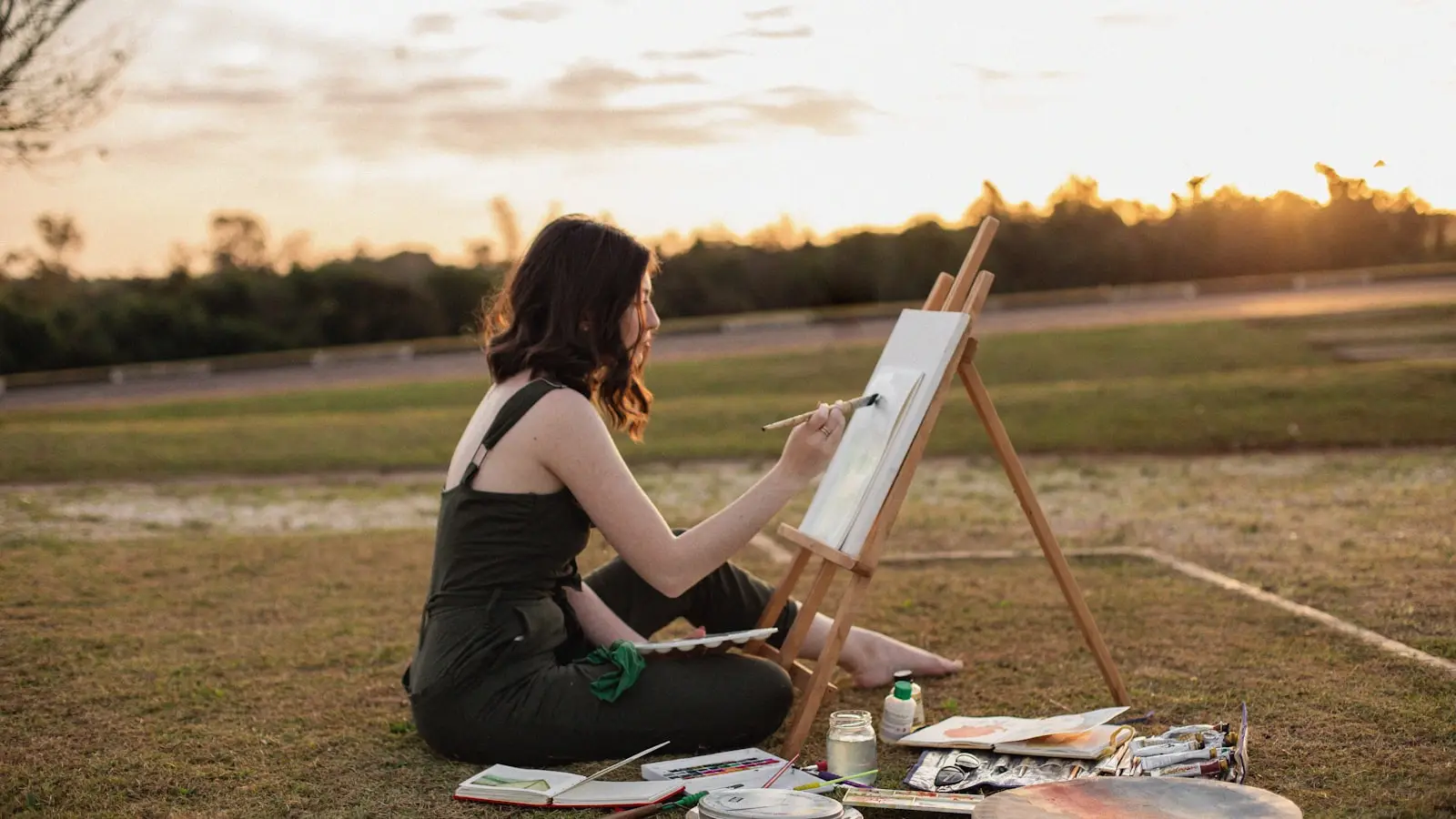
Reports of painting's death have been greatly exaggerated. Plenty of emerging Australian artists are doing solid work in painting, drawing, and other hand-made media. They're not trying to resurrect the past. Instead, they're figuring out what painting and drawing can do right now. Some push highly personal, gestural approaches. Others work more conceptually, investigating painting's history and what it's capable of saying.
The range of painting practice out there is genuinely diverse. You've got intimate, small-scale work exploring colour relationships and materials. Large-scale gestural abstraction. Figurative stuff engaging with portraiture, landscape, and social observation. Painting that pulls in text, collage, and mixed media. A lot of emerging painters don't stay in one lane either. They combine painting with installation, embed paintings in bigger exhibition ideas, or create series that push their thinking across different media.
What's worth paying attention to is how emerging painters engage with Australian landscape tradition on their own terms. They've inherited a rich landscape painting history, running from 19th-century colonial art through the Heidelberg School to where we are now, but they're filtering it through different concerns. Climate change, urbanisation, Indigenous land relations, and global visual culture all shape how contemporary painters approach landscape. The result is work that feels genuinely rooted in Australian visual culture and genuinely of its time.
Sculpture and Three-Dimensional Practice
Three-dimensional work has really taken off among emerging Australian artists. They're working across sculpture, installation, and hybrid forms with whatever materials make sense for the job. You'll see bronze, stone, and wood alongside plastic, rubber, and textiles. Some use industrial materials, others natural ones. What's interesting is how often artists deliberately mix these different material vocabularies together. The ideas behind the work vary just as much, ranging from formal sculptural investigation to narrative-driven installations.
A lot of emerging artists here are making work that responds directly to specific places. An urban gallery, a regional museum, a public space outdoors. Sometimes that means physically changing the exhibition space itself. Other times the work only really makes sense in relation to particular architectural or natural features. Some artists make portable pieces that still carry references to specific locations. This attention to context means the work has a specificity that goes beyond just following whatever's trendy in contemporary art.
Craft traditions are getting reworked through contemporary art perspectives too. You'll find artists who are serious about weaving, ceramics, woodworking, or metalwork, but they're applying contemporary art's conceptual approach to these techniques. The outcome respects what's embedded in these craft histories while pushing them somewhere new. It's a useful correction to that old division between 'craft' and 'art'. These hybrid practices end up being intellectually sharp and materially complex.
Photography and Time-Based Media
Photography and video have become standard tools for emerging Australian artists working in conceptual, documentary, and formally experimental modes. Decent camera gear and editing software are now within reach, which means more people can have a go at it, but it also means the bar for conceptual strength has gone up. Contemporary photographers and videographers here are grappling with representation, authorship, documentary truth, and what photography and video can actually do as media.
Many of them are looking back at photography's history in colonial documentation and surveillance, trying to reclaim or flip those narratives. Others push at photography's formal possibilities, experimenting with colour, composition, focus, and sequence to make images that feel more abstract. Video artists take all sorts of approaches, from long durational pieces that test how long viewers will sit still to fast-cut montages, from solo performances to complicated multi-channel installations.
When photography and video get mixed into broader installations and mixed-media work, things get interesting. Rather than standing alone, photographic and video elements become part of larger spatial and conceptual setups. This shows a shift in how emerging artists think about artistic media. They're not seeing them as separate disciplines with their own histories, but as tools they can use strategically within bigger artistic projects.
Collecting and Supporting Emerging Artists
Getting into emerging Australian art is pretty straightforward. Independent galleries around the country actively promote new work, and art fairs let you see pieces from multiple galleries and artists all in one go. Artist-run spaces and non-profit galleries, especially in Melbourne and Sydney but now popping up in regional towns too, offer emerging work in more experimental settings than your typical commercial gallery.
You don't need to spend serious money to engage with emerging artists. Just going to shows, following artists on Instagram, chatting at opening nights, reading about contemporary art, these all matter. If you want to buy something, start small with drawings, prints, or modest sculptures. Getting to know your local gallery staff and watching how artists develop their practice over time helps you make better collecting choices down the track.
The Australian art world is pretty friendly and open. Most artists show work at different price points and will happily talk about their work if you ask nicely. Regional art centres and smaller galleries are good places to look at emerging art without the intensity of a big city gallery. When you support emerging artists through buying work, going to shows, spreading the word, and just engaging with what they're doing, you're often getting in early on something that might matter historically, and you're genuinely helping shape where Australian art goes next.