
City Guides
Canberra's Galleries Beyond the National Institutions
1 June 2026
Beyond the Major Players
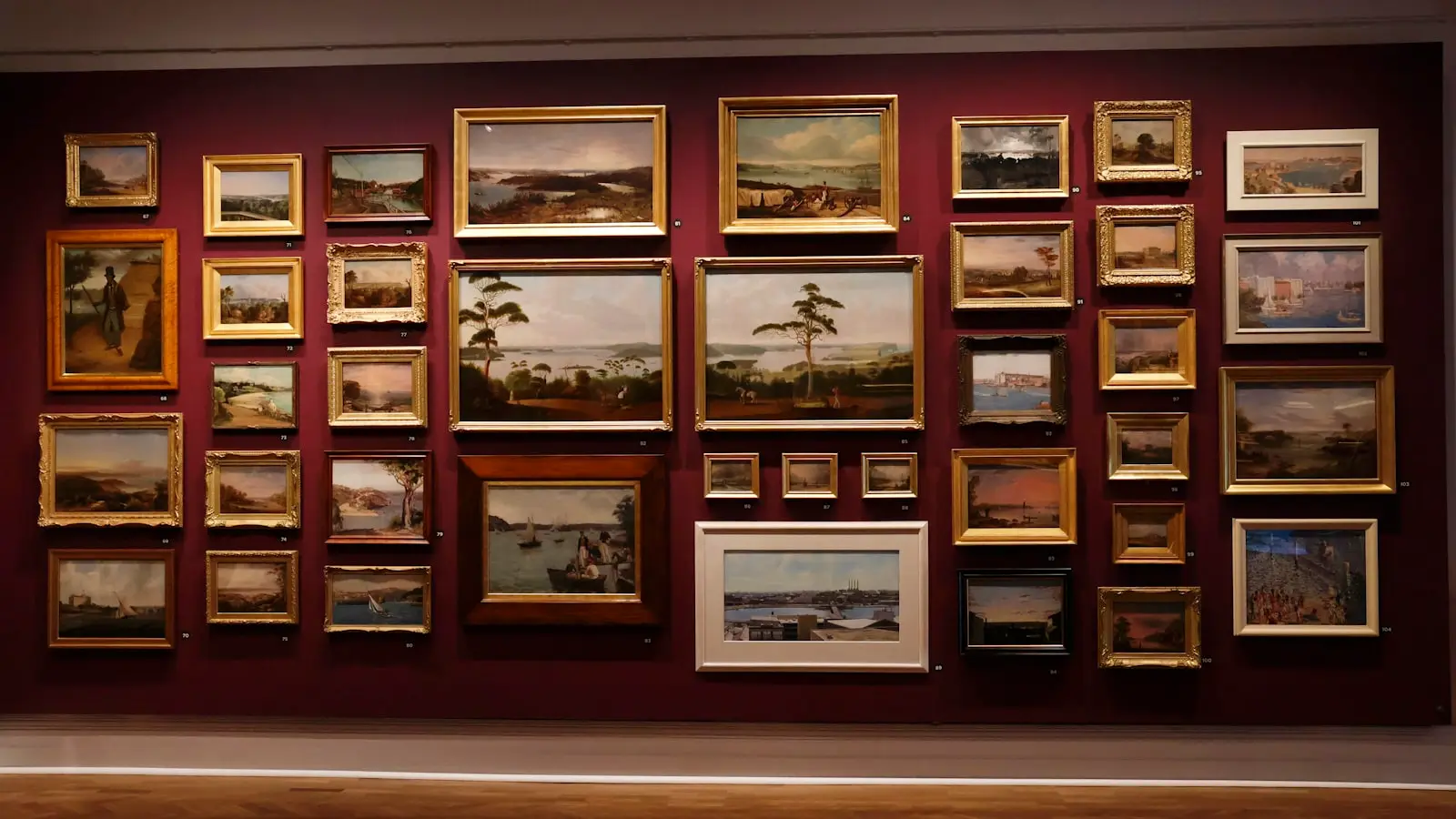
When people think about art in Canberra, the National Gallery of Australia usually comes to mind. Understandably so, given what it holds and the building itself. Yet there's a whole other scene running underneath. Smaller galleries, artist-run spaces, and independent venues scattered across the city do something different entirely. They've become where real creative work happens, mixing experimental contemporary pieces with rediscovered artists from earlier times. These places operate with a level of curatorial risk that bigger institutions often can't pull off.
Over the past ten years Canberra's independent gallery sector has grown and shifted. It's kept pace with how artists prefer to exhibit and what audiences want to see. Unlike Sydney or Melbourne, where galleries jostle for space in crowded scenes, the independent sector here functions more like working studios. The people behind them tend to think in longer timescales, prioritising genuine connection with visitors over quick turnover. That's opened things up for newer artists, established ones looking for different platforms, and people who want to encounter work that pushes boundaries.
The Artist-Run Gallery Movement in Canberra
Artist-run galleries are pretty important in Canberra's contemporary art scene. A lot of them exist because artists got sick of waiting for mainstream institutions to support their work, so they just started their own spaces. The beauty of running your own gallery is you can do what you want. You can show experimental work, put on shows based on ideas rather than what might sell, and run projects that institutions wouldn't touch. Canberra's lower rental costs for commercial and warehouse spaces make this whole thing more viable than it'd be in Sydney or Melbourne.
What sets these places apart is how they actually create community and get people talking. They hold artist talks, open studio days, and casual viewing nights that feel more like social gatherings than formal exhibitions. You get to see how artists actually work, and audiences get a chance to chat with them properly. Some of them also host residencies for artists from other states and overseas, which brings new perspectives and gets the local art world thinking differently. The friendships and connections people make often stick around long after the exhibition comes down, creating real networks of artists supporting each other.
Independent Galleries Worth a Look
Canberra's independent gallery scene has several mainstays that have proven their worth over time. Each one has a different approach to what they show and why. What stands out is that they're willing to back work that's genuinely interesting rather than just what's trendy or by famous names. You'll find they pick artists for the quality of what they're doing. For serious collectors and people who care about Australian art, these galleries matter because they're where you see what's actually happening beyond the big national museums.
{"text":"The programming tends to reflect what the gallery directors and committees actually care about. You get thematic shows, solos, and group exhibitions that feel properly thought through rather than thrown together for a quick sale. Most also partner with local art schools and universities, which means you'll see emerging graduates getting their first shows. That's how new talent gets spotted and builds an audience. Canberra's independent spaces offer contemporary abstraction, figurative work, installation, video, and experimental stuff to suit most interests."}.
The Gallery Precinct Network Effect
Canberra's independent galleries do something smart by clustering together in certain neighbourhoods. When you've got galleries close to one another, visitors will often wander from one space to the next, which means each gallery gets foot traffic it probably couldn't generate on its own. These gallery precincts also draw in other cultural spots like artist-run cafes, independent bookshops, and performance spaces. The whole thing becomes more than just a collection of galleries. A visitor heading to one space might stumble across three others they hadn't heard of, all within walking distance.
Other Australian cities have done this for years. Inner Melbourne and Sydney have their long-established artist communities and gallery strips. Canberra's approach fits the city differently because of how spread out it is. Most residents have a local neighbourhood hub nearby, so creating recognisable cultural precincts means people stick around and actually build community through art. From a practical standpoint, galleries sharing an area can cut marketing costs significantly and collaborate on exhibitions that span multiple venues. A single visit to one gallery becomes an afternoon out.
Contemporary and Experimental Practices on Display
Canberra's independent galleries have carved out space for contemporary and experimental art that commercial galleries rarely take on. Video art, performance, conceptual work, installation, multimedia pieces - they all find their way into these spaces. Independent galleries operate under different constraints than commercial ones. They're not pushing the same sales targets, so they can give an exhibition the time it needs to actually develop ideas. This has made Canberra something of a proving ground for experimental artists, plenty of whom end up building significant careers and getting noticed nationally and internationally.
These independent spaces also build up the wider ecosystem around experimental work. They publish catalogues, host artist talks, and bring in critics to write serious pieces about what's actually happening. That kind of thoughtful engagement means difficult and challenging art gets considered properly, not just brushed off as too obscure. For artists working with new technologies, unexpected materials, or concepts that need time to breathe, Canberra's independent galleries are hard to replace. People who visit tend to leave feeling genuinely stirred by what they've seen. That intellectual spark tends to stick around long after they've left the building.
Supporting Local and Regional Australian Artists
Canberra's independent galleries have become key spaces for local and regional Australian artists who struggle to find places to show their work. The ACT has no shortage of practising artists. Many moved here because of the landscape, the fact you can afford to live here, and the lower costs compared to Sydney or Melbourne. But these artists often find themselves in an awkward spot with Canberra's bigger institutions. They want recognition and exhibition space, yet feel annoyed by what those institutions choose to put on. Independent galleries step in to fill that void, offering shows and helping build genuine artistic communities in the process.
Beyond Canberra, these independent spaces matter as regional exhibition hubs that pull artists from across regional NSW and Victoria. They're seeking shows outside the Sydney-Melbourne circuit. As Australian contemporary art keeps concentrating in the biggest cities, this regional role becomes even more valuable. Canberra's independent galleries keep artistic activity going across a much wider area through consistent programming and real engagement with artists. That regional focus shapes what actually gets shown. Plenty of exhibitions directly engage with landscape, environmental issues, and rural aesthetics that come from where these artists are based. For collectors and art lovers keen to support Australian artists outside the mainstream, Canberra's independent galleries are genuinely worth your attention.
The Economics and Sustainability of Independent Galleries
Independent galleries operate quite differently from commercial galleries when it comes to money. While a commercial gallery mainly survives on art sales, independent galleries usually cobble together income from venue hire, grants, donations, membership fees, and whatever sales they make. This means the people running them spend a lot of time keeping funders and supporters on side. The financial side of running an independent gallery doesn't get talked about much in art circles, but it matters a lot. It determines what shows go up on the walls, how long they stay there, and whether artists actually get paid a fair wage for their work.
A number of independent galleries in Canberra have tried different approaches to stay afloat, like setting up as cooperatives, sharing revenue, and combining gallery work with artist-run projects and community activities. These experiments have shown what works for building cultural spaces that last. Some galleries have done well by building solid relationships with collectors over time, offering memberships that bring steady money through the door, and keeping a tight rein on costs. Since the pandemic, galleries have had to rethink how they operate. Funding has dried up in many places and audiences have changed how they engage with art. The independent galleries that have come out the other side in decent shape tend to have strong ties to their community, a clear sense of what they're about artistically, and the flexibility to shift when circumstances demand it.
Getting the most out of Canberra's independent galleries
Visiting Canberra's independent galleries goes better with a rough plan. Check the programmes at venues that appeal to you. Most have websites and social media where they list upcoming shows. Instead of trying to tick off everything, pick a neighbourhood and work through it slowly. You'll get a proper feel for the area and see how different galleries respond to each other's ideas. Most places print information about their programming too, so you can plan your next visit around something you actually want to see.
The real payoff comes from opening nights, artist talks, and public programmes rather than just dropping by during regular hours. You'll meet the people who run the galleries, the artists themselves, and other locals interested in art. That stuff creates actual community rather than just being another gallery visit. Look for precinct maps and guides that local organisations produce. Follow galleries and artist networks on social media so you know what's coming up. Throw some money at these places when you can through memberships or buying work. They need it to stay afloat and keep taking risks on new art.
Looking Forward: The Future of Canberra's Independent Gallery Scene
Canberra's growing profile as an arts destination means independent galleries will shape where things go next. The city is getting bigger and picking up more cultural institutions, which opens doors but also creates real pressures. More people showing up is good news, and so is stronger support from the public. But rent keeps climbing and money for galleries gets harder to find. New spaces keep opening though, which tells you there's still demand for galleries willing to take risks and try different approaches. The real trick is keeping what makes Canberra's indie scene worth having: the willingness to experiment, the community connections, and actually caring about the work itself instead of just turning a profit.
The work that needs doing is making independent galleries sustainable so artists and operators aren't constantly working for nothing. People need to start talking seriously about proper funding, paying artists fairly, and actually recognising what these spaces do for Australian culture. Canberra's in a decent spot for this because it's got a capital city budget and institutions but also a proper independent scene going. There's real potential for them to work together and learn from each other. As Australian art keeps shifting, these independent galleries matter because they prove the innovation often comes from people outside the big institutions, from artists and gallerists building something themselves.